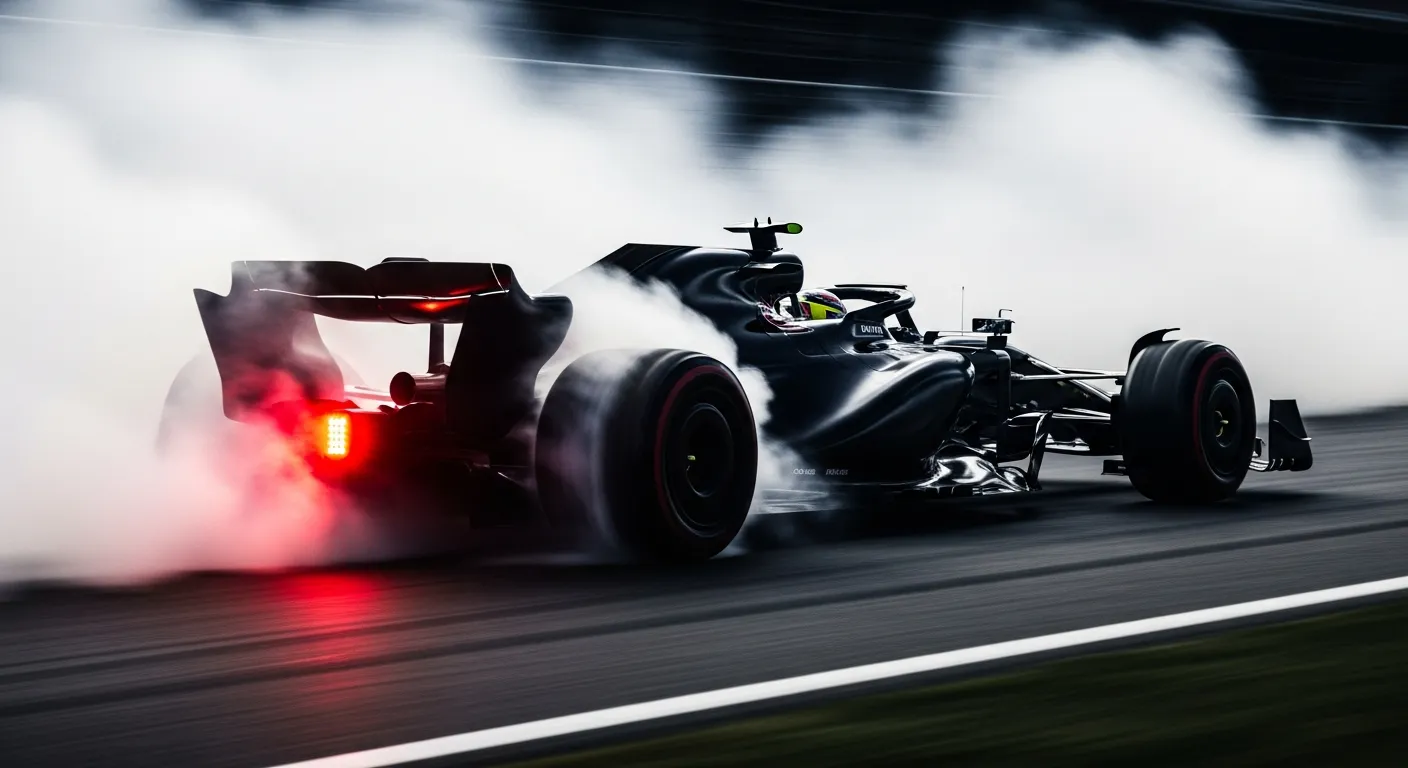
Fernando Alonso's journey through the hybrid era of Formula 1, spanning 2014 to 2021, was a stark demonstration of a two-time world champion's enduring talent often trapped in uncompetitive machinery, particularly during his tumultuous second stint with McLaren.
The era's character
The hybrid era, commencing in 2014 with the introduction of the V6 turbo-hybrid power units, fundamentally reshaped Formula 1. This period was largely defined by the dominance of Mercedes-AMG, setting a benchmark for integrated power unit and chassis performance. For many drivers, including Lewis Hamilton in the hybrid era, it offered unprecedented success, but for others, it presented a formidable challenge to even contend for podiums. The complex regulations governing these new powerplants, detailed on the FIA — F1 World Championship site, demanded a new level of engineering integration and reliability, often leaving customer teams struggling against manufacturer-backed efforts.
What it asked of him
For Alonso, the hybrid era demanded immense resilience and a profound ability to maintain motivation despite significant performance deficits. After a final season with Ferrari in 2014, where he secured two podiums, he made the high-profile switch to McLaren for 2015, reuniting with Honda power. This partnership, however, proved disastrous, with the Honda power unit notoriously lacking in both power and reliability. Alonso found himself battling at the back of the grid, a stark contrast to his championship-contending years. This period also saw him explore opportunities outside F1, most notably his participation in the Indy 500 in 2017 and 2019, showcasing his relentless competitive spirit. His time at McLaren during this period, alongside teammates like Carlos Sainz in the hybrid era, highlighted the chasm between driver ability and car performance.