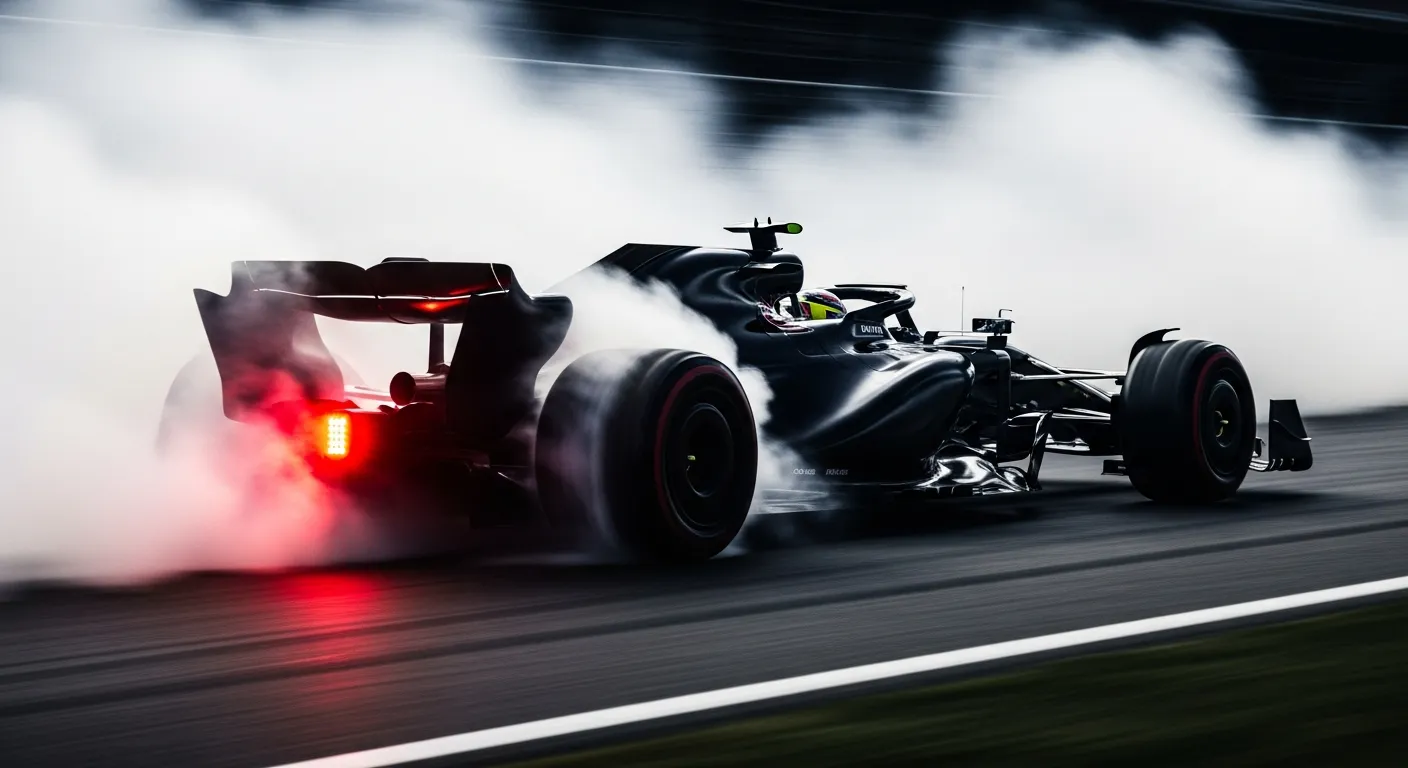
The 2016 Monaco Grand Prix at the Circuit de Monaco was a masterclass in strategic improvisation under changing conditions, ultimately decided by a pivotal pit-stop error that reshaped the podium. This race, held on the iconic street circuit, highlighted the fine margins of success and failure in Formula 1, especially when weather intervenes.
Qualifying
Qualifying for the Monaco Grand Prix saw Daniel Ricciardo secure a dominant pole position for Red Bull Racing, showcasing the RB12's agility around the tight confines of Monte Carlo. His performance was a clear statement of intent, outpacing the Mercedes duo of Nico Rosberg and Lewis Hamilton. The grid promised a thrilling contest, with Ricciardo poised to convert his strong Saturday showing into a crucial Sunday victory. The narrow circuit always places a premium on starting position, and Ricciardo's pole put him in the strongest possible place to control the race from the front.
Race
The race began under treacherous wet conditions, necessitating a Safety Car start and full wet tires for all competitors. As the track began to dry, the strategic window for tire changes opened, first to intermediates and then to slick compounds. Lewis Hamilton, starting third, opted for an extended stint on intermediate tires, demonstrating exceptional tire management. This bold decision paid dividends as he maintained track position and pace. Meanwhile, Daniel Ricciardo, having led much of the early running, was called in for a pit stop to switch to super-soft slicks. However, a critical miscommunication by the Red Bull pit wall meant the tires were not ready, costing him valuable seconds and the lead. This single moment fundamentally altered the race's outcome, a stark reminder of how quickly fortunes can turn in Formula 1's high-pressure environment, much like the strategic gambles seen at the 2018 Italian Grand Prix.