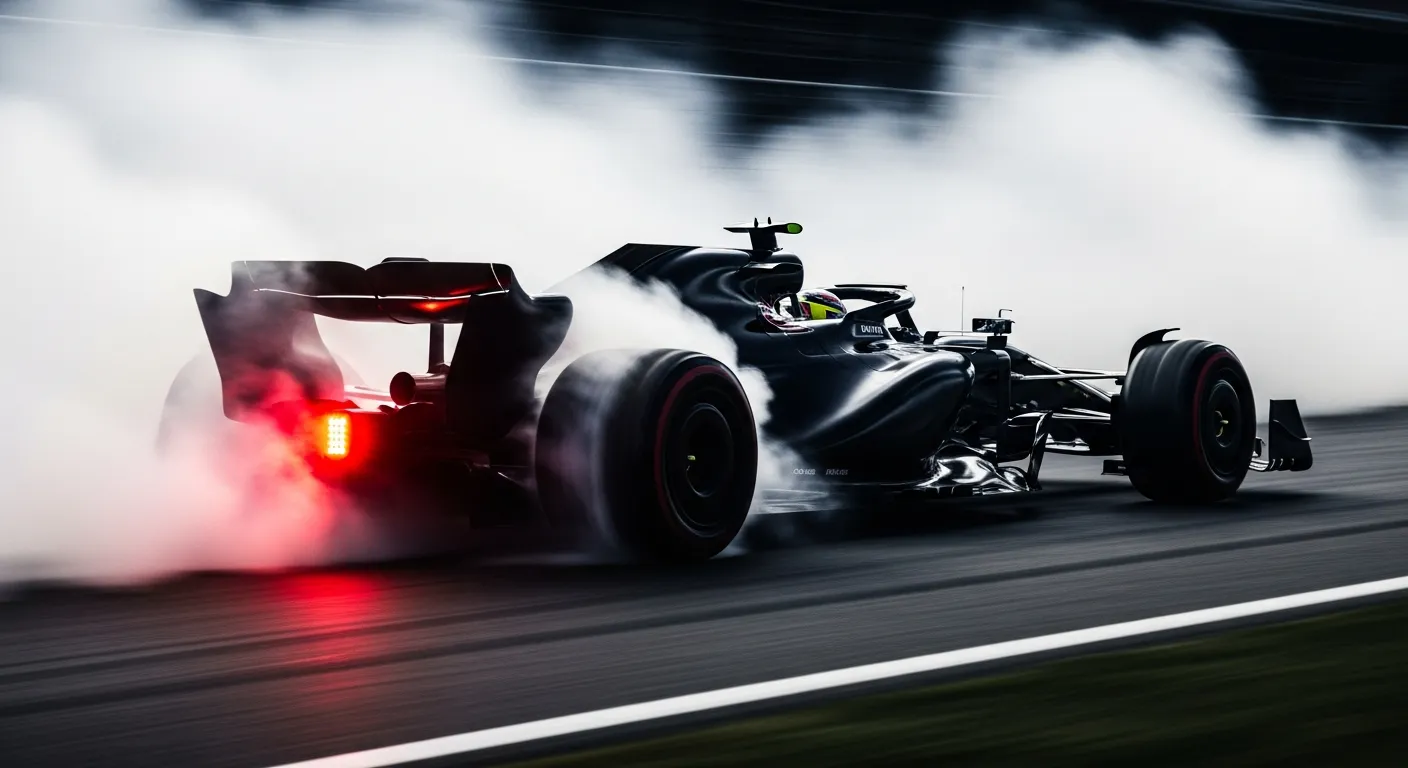
The 2016 Japanese Grand Prix at Suzuka was a pivotal moment in the championship narrative, witnessing Nico Rosberg's controlled victory and Mercedes-AMG Petronas F1 Team's third consecutive Constructors' Championship.
Qualifying
Qualifying set the stage for a familiar Mercedes front-row lockout, though the margins were incredibly fine. Nico Rosberg secured pole position, demonstrating precision around the demanding Suzuka Circuit. His teammate, Lewis Hamilton, lined up alongside him in second, just fractions of a second adrift. The Red Bull of Max Verstappen started from third, showcasing the team's strong form and hinting at their potential to challenge the Silver Arrows. Ferrari's Kimi Räikkönen qualified third, but a gearbox change penalty relegated him to eighth on the grid, elevating Sebastian Vettel and Daniel Ricciardo. This grid shuffle ultimately impacted the race's early dynamics, particularly for the Ferrari drivers who had to navigate traffic.
Race
From the moment the lights went out, Rosberg executed a flawless start, converting his pole position into an immediate lead. In contrast, Lewis Hamilton suffered a significant loss of traction, dropping several places by the first corner. This early setback forced Hamilton into a recovery drive through the midfield, a scenario reminiscent of his charge at the 2015 Hungarian Grand Prix. Rosberg, meanwhile, managed his pace and tires with characteristic composure, maintaining a comfortable gap to the chasing pack, primarily led by Max Verstappen. The Red Bull driver delivered a mature performance, holding off Hamilton's relentless pursuit in the latter stages of the race. The battle for second became a highlight, with Verstappen's defensive driving proving impenetrable. Mercedes' strategic calls and the car's inherent pace allowed Rosberg to dictate terms, securing a victory that was as much about controlled execution as raw speed. The official results and further race details can be reviewed on the .