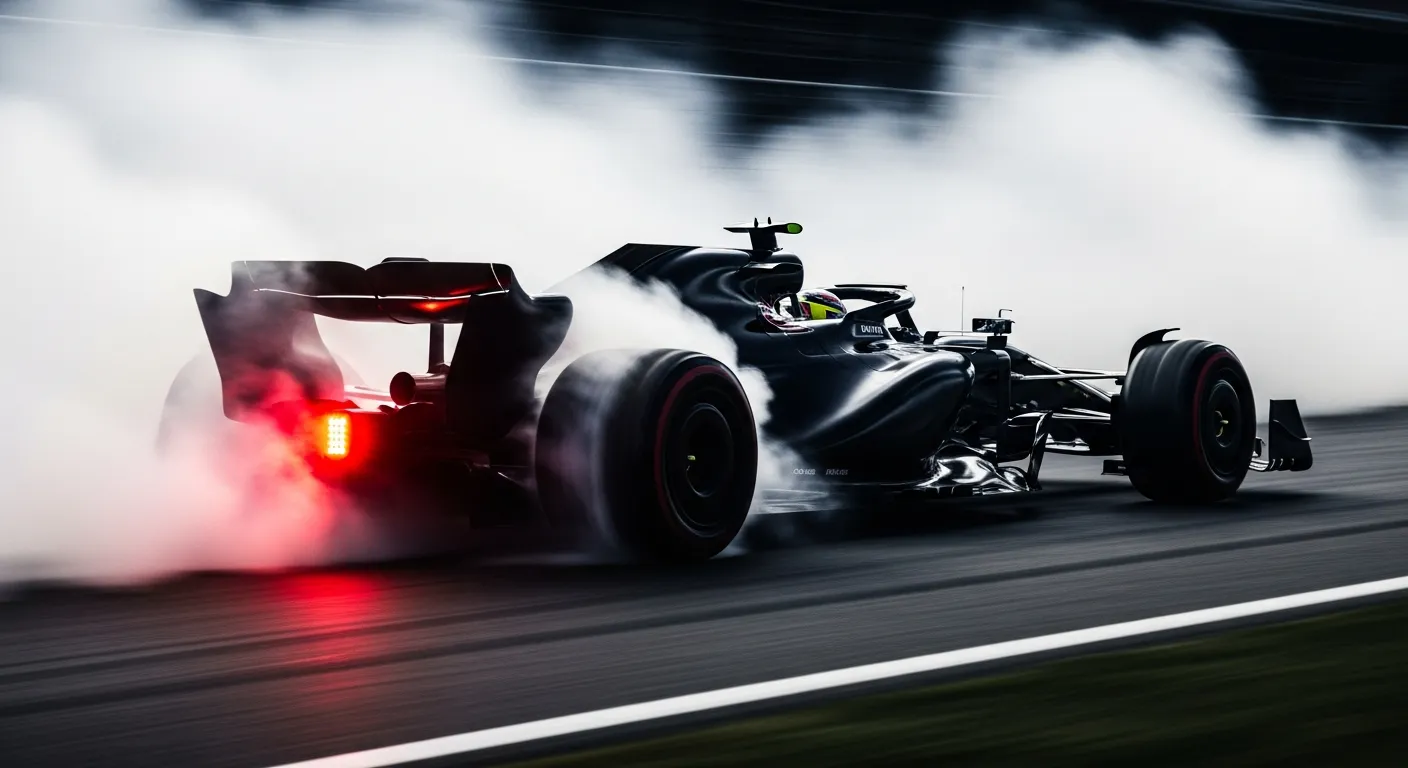
The 2023 Azerbaijan Grand Prix at the Baku City Circuit was defined by its unique Sprint weekend format and the strategic fallout from early race interruptions, challenging teams to adapt their tire management and pit stop timings under pressure. This event, set against the distinctive backdrop of Baku's ancient city walls and high-speed boulevards, offered a compelling blend of raw pace and tactical nuance, characteristic of the ground-effect era.
Qualifying
The introduction of the Sprint Shootout for Saturday's Sprint Race meant Friday's traditional qualifying session was solely dedicated to setting the grid for Sunday's Grand Prix. This structure placed an immediate premium on maximizing performance in a single, high-stakes session, without the usual practice sessions to fine-tune car setups for the main event. Teams had to balance the demands of Baku's incredibly long main straight with its tight, technical castle section, a perennial challenge for aerodynamicists. The resulting grid reflected those who found the optimal compromise, setting the stage for a race where track position would be paramount, as it often is on street circuits like the 2014 Monaco Grand Prix.
Race
The Grand Prix itself unfolded with the characteristic unpredictability of Baku. The early laps saw intense jostling for position, a common sight on a circuit that offers significant overtaking opportunities but also carries a high risk of contact. An early Safety Car period proved to be a pivotal moment, immediately forcing teams to re-evaluate their pre-race strategies. This interruption provided a 'free' pit stop window for many, allowing them to switch to the hard compound tires earlier than planned. The ground-effect cars, known for their stiff suspension and sensitivity to ride height, navigated the bumpy street circuit with a blend of aggression and precision, pushing the limits of their machinery around the demanding layout. For a deeper dive into the technical regulations governing these cars, the site offers comprehensive details.