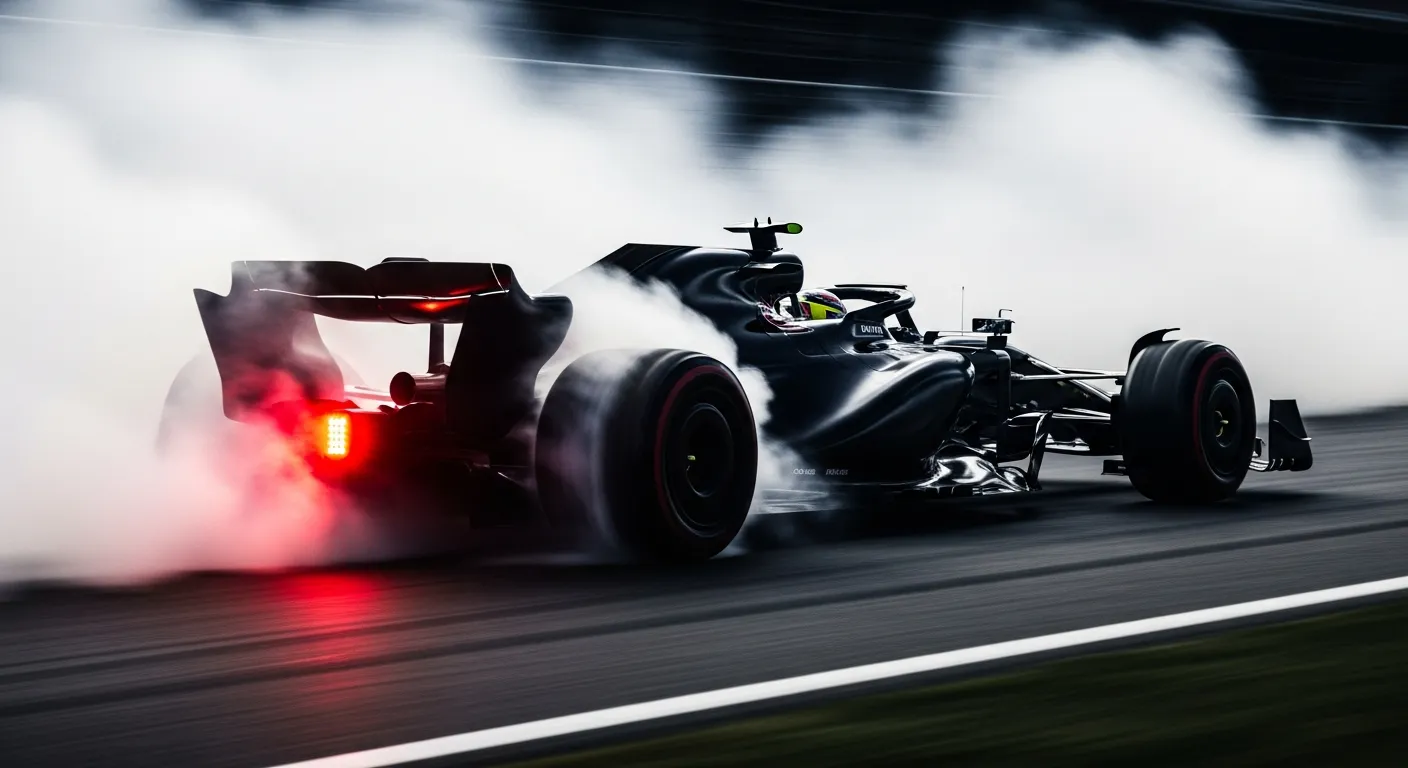
The 2025 Canadian Grand Prix at Circuit Gilles Villeneuve delivered a tense strategic battle culminating in George Russell's pole-to-win victory by a fractional margin, signaling Mercedes' potent return to the sharp end of the grid with a double podium. This race underscored the critical balance between raw pace and precise execution on a circuit known for punishing even minor errors, especially in the ground-effect era where car stability through chicanes is paramount.
Qualifying
Qualifying set the stage for a tight contest, with George Russell securing pole position. Max Verstappen lined up alongside him, indicating the narrow performance window at the front. Oscar Piastri's McLaren started from third, a strong showing that hinted at their potential, while Andrea Kimi Antonelli, in the second Mercedes, placed fourth. Further down the grid, Charles Leclerc started from eighth, a position from which Ferrari would need a strong race strategy to recover points. The grid order suggested a multi-team fight, a welcome sight for fans tracking the Formula 1 — official site for championship updates.
Race
The race itself was a masterclass in controlled aggression from Russell. Starting from pole, he managed the early phases under pressure from Verstappen. The Circuit Gilles Villeneuve, with its long straights and heavy braking zones, often encourages overtakes, yet Russell maintained his composure. The close proximity of the top three — Russell, Verstappen, and Antonelli — throughout the 70 laps was a testament to the competitive nature of the field. Antonelli's drive to third, moving up one position from his starting grid slot, marked a significant performance for the young driver, securing a double podium for Mercedes. Meanwhile, Leclerc made impressive gains, climbing three positions from P8 to P5, demonstrating Ferrari's race pace despite a challenging qualifying. The race also saw significant attrition, with Lando Norris retiring on lap 66, and Liam Lawson and Alexander Albon also failing to finish, highlighting the reliability demands of the .