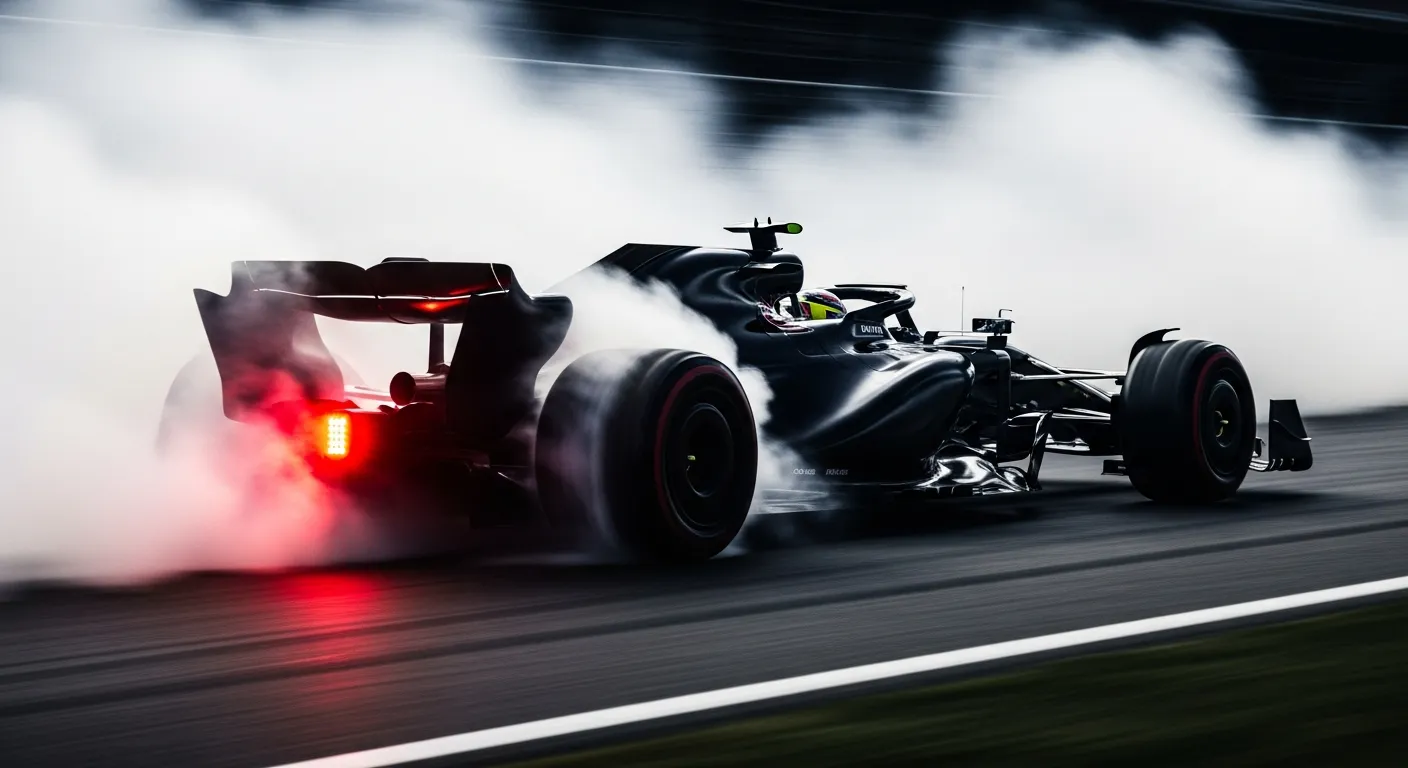
Carlos Sainz's history at the São Paulo Grand Prix is a testament to adaptability and perseverance, marked by a journey from early struggles to consistent point finishes and two notable podiums on the demanding Interlagos circuit. Across his 10 starts at this iconic venue, Sainz has demonstrated a capacity to extract performance, particularly as his career matured through different teams.
His initial appearances with Scuderia Toro Rosso and Renault Sport Formula One Team saw mixed results. After a technical defect ended his 2015 race, he secured a respectable 6th position in 2016. The following two years brought finishes outside the points, indicating the steep learning curve Interlagos presents. However, a pivotal moment arrived in 2019 with McLaren Racing, where Sainz delivered a remarkable performance, climbing from a grid start of 20 to claim his first podium at the circuit, finishing 3rd. This result underscored his ability to manage chaotic race conditions and execute strategic drives, a trait also seen in other complex races like Oscar Piastri at the Monaco Grand Prix.
Moving to Scuderia Ferrari, Sainz continued to build on his Interlagos record. In 2021, he finished 6th, and in 2022, he once again stood on the podium, securing another 3rd place finish. These consistent top-six results with Ferrari highlight his comfort with the circuit's unique blend of high-speed sections and technical, undulating corners. The 2023 event saw him finish 6th, maintaining his strong points-scoring record. While the 2024 race ended prematurely with an accident, his overall trajectory at São Paulo has been one of improvement and strong finishes.
The São Paulo Grand Prix, a staple on the Formula 1 — official site calendar, is known for its challenging layout, often leading to unpredictable races. Sainz's ability to navigate these conditions, particularly his tyre management on the abrasive surface, has been a key factor in his success. His two podiums and best finish of 3rd place, achieved in 2019 and 2022, underscore a growing mastery of the circuit. As a driver who values a balanced car and precise execution, the permanent Interlagos track offers a distinct challenge that Sainz has increasingly met with skill. Fans interested in the historical context of such performances can find extensive information on Wikipedia: Formula One.
Looking ahead to 2025, Sainz will be competing with Williams Grand Prix Engineering. His experience at circuits like Interlagos, with its blend of high-speed and technical demands, will be invaluable as he adapts to a new car and team. The data collected from his past performances, available through resources like Jolpica/Ergast — 2026 season data, will be crucial for his engineers in optimizing the car for his driving style. This adaptability will be tested, much like other drivers face when transitioning teams or tackling diverse circuits, such as Oscar Piastri at the Spanish Grand Prix or Oscar Piastri at the Emilia Romagna Grand Prix.