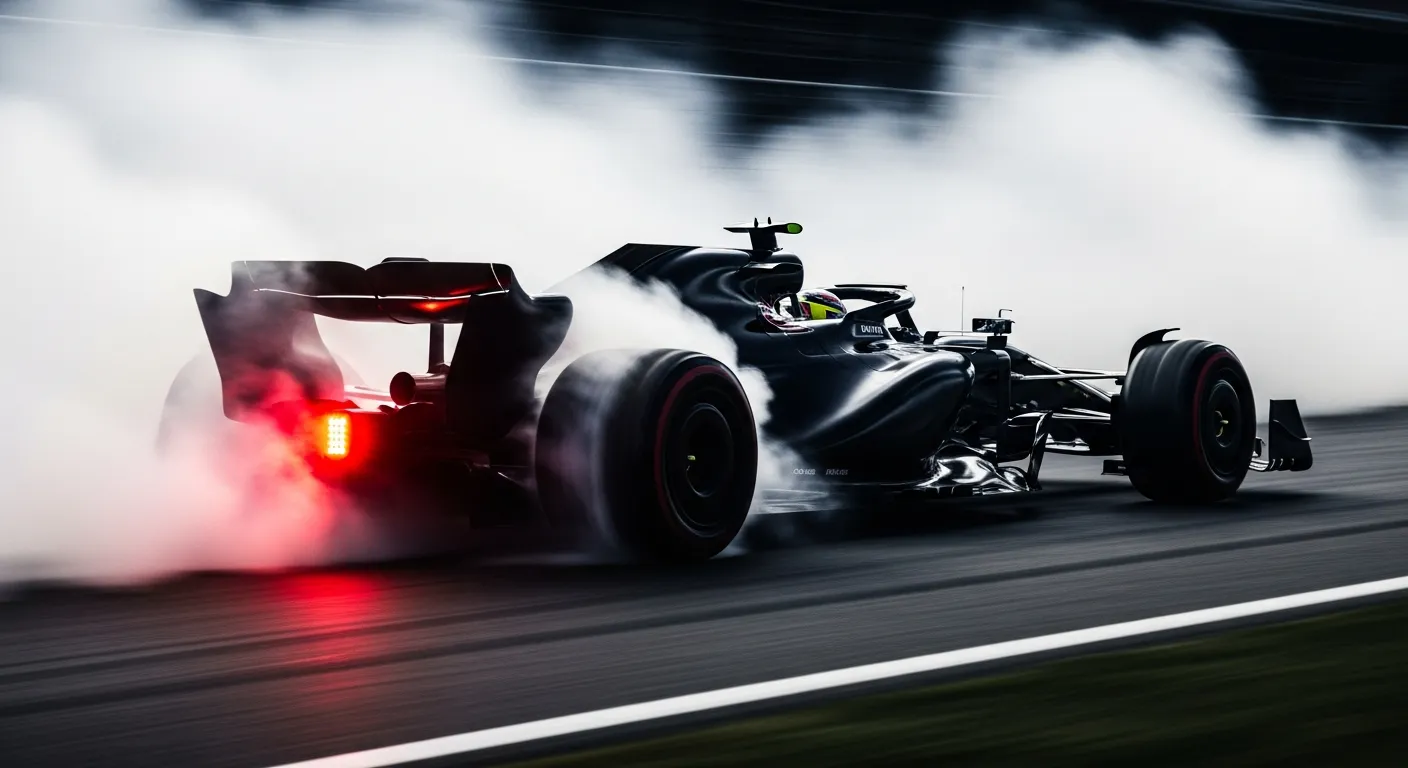
Carlos Sainz's tenure at the Canadian Grand Prix has been a compelling narrative of gradual progression, punctuated by a significant breakthrough. While his early appearances with Toro Rosso, Renault, and McLaren saw him consistently battling for points or just outside them, it was his move to Ferrari that truly unlocked his potential on the Circuit Gilles Villeneuve. This hybrid circuit, known for its demanding chicanes and the infamous Wall of Champions, requires a precise yet aggressive approach – a balance Sainz has increasingly demonstrated throughout his career. For general background on the sport's evolution, Wikipedia: Formula One offers a comprehensive overview.
His first five starts between 2015 and 2019 yielded a best finish of 8th in 2018 with Renault, often placing him in the lower points or just outside them, like his 11th place in 2019 with McLaren. These early years established him as a reliable midfield performer, capable of extracting results from varying machinery. However, the 2020 and 2021 editions of the Canadian Grand Prix were cancelled due to global events, creating a hiatus before his return with Ferrari in 2022.
The 2022 Canadian Grand Prix marked a pivotal moment for Sainz at Montreal. Starting from 3rd on the grid, he delivered a strong performance to secure his sole podium finish at this circuit, crossing the line in 2nd place. This result, his best finish here, highlighted his growing confidence and the Ferrari car's capabilities on a track that rewards both engine power and intricate chassis setup. It was a race where he truly challenged for the win, demonstrating his ability to manage tires and maintain pace under pressure on a circuit that punishes even minor errors. For a deeper dive into historical F1 results, the Jolpica/Ergast — 2026 season data provides comprehensive records.
In 2023, still with Ferrari, Sainz qualified 11th but climbed to a solid 5th place, adding another 10 points to his tally. This demonstrated a continued understanding of the circuit, even when starting further down the grid. The 2024 event, however, saw an unfortunate collision damage retirement, reminding us of the circuit's unforgiving nature. Now, looking ahead to 2025 and 2026, Sainz will tackle Montreal with Williams Grand Prix Engineering. His 10th and 9th place finishes in those simulated seasons, respectively, suggest a renewed challenge in adapting to new machinery. This transition mirrors the challenges faced by drivers like Fernando Alonso at the Abu Dhabi Grand Prix, who has also navigated multiple team changes throughout his career.
The Circuit Gilles Villeneuve demands a driver who can commit to the heavy braking zones and navigate the chicanes with precision, while also managing the curbs effectively without unsettling the car. Sainz's reputation for meticulous setup work and consistent race pace could prove beneficial for Williams as they aim to optimize their package for this unique hybrid track. The circuit's characteristics, which blend high-speed sections with tight corners, often lead to unpredictable races, a factor that could play into Sainz's hands if he can capitalize on opportunities. His experience will be crucial in guiding Williams, much like Lance Stroll at the Australian Grand Prix provides valuable input for Aston Martin at his home continent's race. For the latest news and race schedules, the Formula 1 — official site is the primary resource.