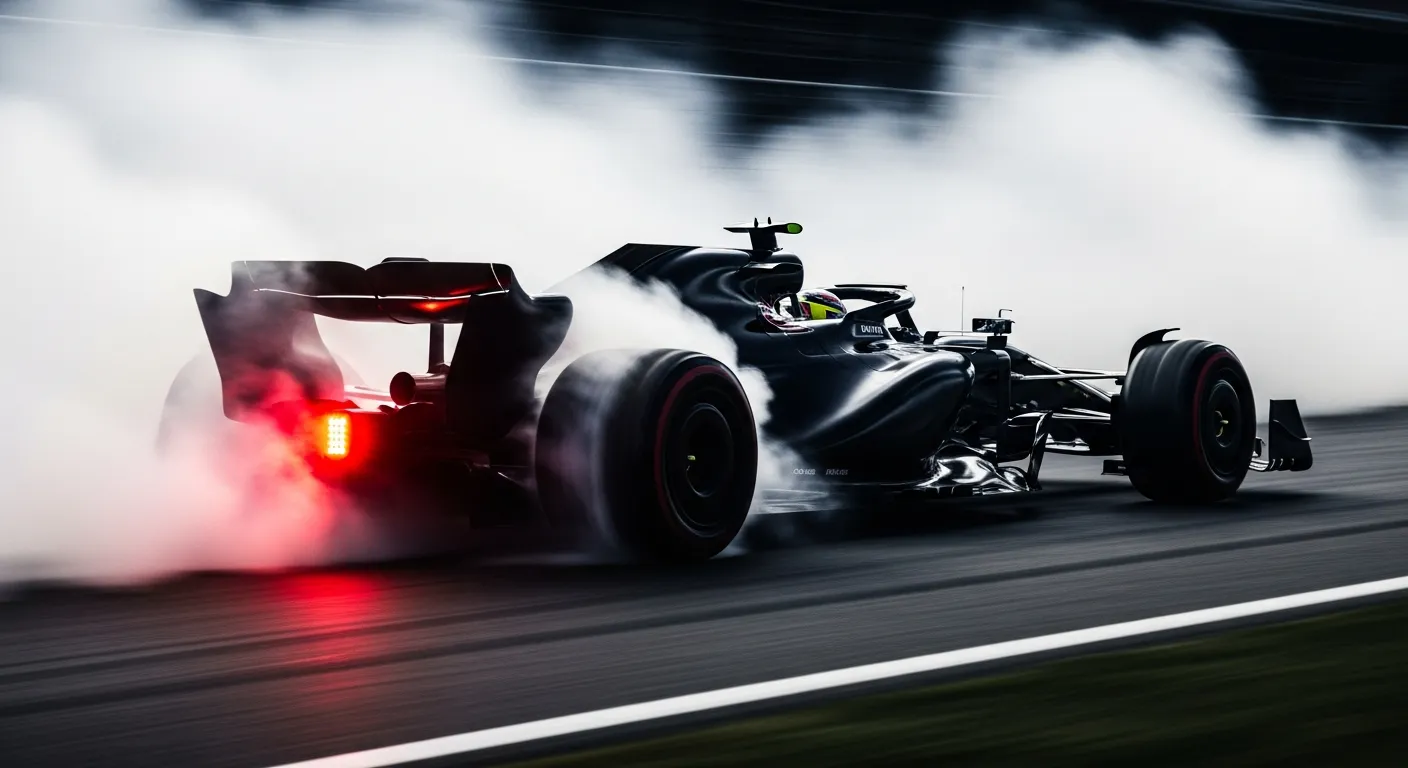
Charles Leclerc's record at the Circuit de Barcelona-Catalunya is a narrative of immense potential often met with frustration, finally punctuated by a significant breakthrough. Across his eight starts at this permanent fixture on the Formula 1 calendar, Leclerc has consistently demonstrated raw pace, particularly in qualifying, yet race day has frequently presented a different challenge. His debut in 2018 with Sauber saw him secure a points finish in 10th, a promising start for a rookie at a circuit known for exposing car and driver limitations.
Upon joining Scuderia Ferrari, the Spanish Grand Prix continued to be a mixed bag. He secured a solid 5th place in 2019 and a 4th in 2021, showcasing his ability to extract performance from the Ferrari package even when it wasn't the dominant machine. However, the circuit has also been the site of significant setbacks. The 2020 race ended prematurely with an electrical issue, and perhaps most notably, the 2022 event saw him convert a pole position into a DNF due to a turbo failure while leading comfortably. This particular race highlighted the fine margins and mechanical vulnerabilities that can define a championship bid, echoing similar challenges faced by other top drivers at demanding circuits, such as George Russell at the Monaco Grand Prix where reliability and strategy are paramount.
The Circuit de Barcelona-Catalunya, with its blend of high-speed corners, technical sections, and abrasive surface, is notoriously demanding on tires and aerodynamic efficiency. It's a track where a car's overall balance and ability to manage degradation are thoroughly tested. For Leclerc, known for his aggressive driving style and ability to push the limits in qualifying, maintaining tire life over a full race stint has sometimes been a critical factor. This characteristic makes the circuit a crucial benchmark for any team's development, as detailed by insights available on the Formula 1 — official site.
His 2023 appearance, starting from the pit lane (grid 0) and finishing 11th, further underscored the difficulties he has sometimes faced here. However, the 2025 Spanish Grand Prix marked a turning point, with Leclerc finally securing his first podium finish at the circuit, a 3rd place. This result is a testament to persistent effort and potentially a more refined car setup from Ferrari, suggesting a better understanding of how to manage the circuit's unique demands. It's a performance that aligns with the detailed historical data and trends often analyzed by platforms like Jolpica/Ergast — 2026 season data, which tracks driver and constructor performance across seasons. Comparing his trajectory here to that of peers, such as George Russell at the Spanish Grand Prix, reveals how different drivers adapt to the same challenging conditions. As F1 continues to evolve, understanding the nuances of permanent circuits like Barcelona remains key to success, a topic frequently explored in general F1 discussions on Wikipedia: Formula One.
Leclerc's journey at Barcelona, from rookie points to pole position heartbreak and finally a podium, illustrates the complex interplay of driver skill, car performance, and sheer racing luck at one of F1's most familiar venues. His 2 DNFs and 0 wins across 8 starts prior to the 2025 podium highlight the prior challenges, making that 3rd place finish a significant milestone in his career at this specific circuit.