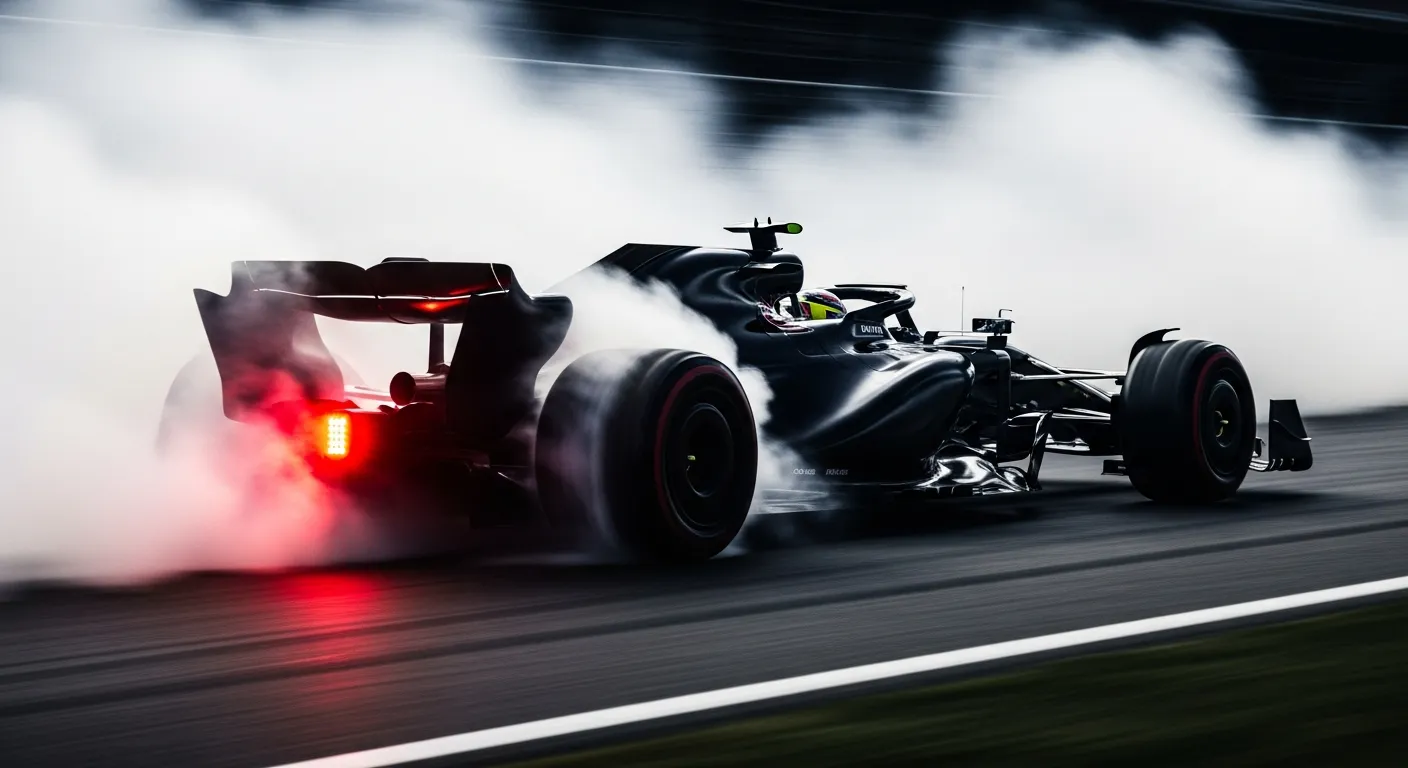
Charles Leclerc's record at the Chinese Grand Prix, across his five starts, reveals a consistent ability to extract performance, though a podium finish has eluded him. His best finish stands at fourth place, achieved in both the 2024 and 2026 seasons with Scuderia Ferrari. This consistent near-podium performance underscores a pattern of strong pace at the Shanghai International Circuit, a permanent fixture on the F1 calendar known for its demanding layout.
His debut at Shanghai in 2018 with Sauber saw him finish 19th, a foundational experience in a less competitive car. The following year, now with Ferrari, Leclerc immediately demonstrated his potential, qualifying fourth and converting that into a fifth-place finish. This early progression highlighted his adaptability to the circuit's unique blend of long straights and complex, multi-apex corners, such as the famous Turn 1-4 snail. The ability to manage these sequences efficiently is often key to a strong weekend here, a trait that has also been critical for drivers at circuits like George Russell at the São Paulo Grand Prix, which similarly tests a car's balance through varied corner profiles.
The more recent appearances in 2024 and 2026 saw Leclerc firmly in the hunt for the top three, securing fourth place on both occasions. These results, while strong, also reflect the competitive landscape and the fine margins at play. The 2025 event, unfortunately, ended in a DNF for Leclerc due to a "Car underweight" technical infringement, a rare misstep in an otherwise robust record at this venue. Ferrari's historical performance at Shanghai has often been a barometer for their overall package, particularly concerning tire degradation over long runs, an aspect critical on this track's abrasive surface. Understanding the nuances of tire management is a core part of modern Formula 1 strategy, as detailed on the Formula 1 official site.
Leclerc's driving style, characterized by his precision in high-speed entries and his ability to carry momentum through sweeping corners, generally suits a permanent circuit like Shanghai. However, the circuit's long back straight also places a premium on straight-line speed and DRS effectiveness, areas where Ferrari has sometimes faced challenges against competitors. The FIA's technical regulations, which govern car design and performance, play a significant role in how teams approach these track characteristics, as explained on the FIA — F1 World Championship overview. For a broader understanding of how these regulations shape the sport, the Wikipedia page on Formula One offers a comprehensive historical context.
Looking ahead, Leclerc's consistent performance at Shanghai suggests he is always a contender for strong points, even if a victory has yet to materialize. The data from seasons like 2026, available through sources like Jolpica/Ergast — 2026 season data, shows a pattern of high finishes. His ability to extract maximum performance in qualifying and manage the race pace, particularly through the challenging Sector 1, will be crucial. This consistent fight for the leading positions at Shanghai is a testament to his skill and Ferrari's efforts, making his appearances here a key indicator of their season's trajectory, much like how George Russell at the Qatar Grand Prix presents a unique challenge for drivers and their machinery, and how Andrea Kimi Antonelli at the Chinese Grand Prix will be watched in future seasons to see how new talent adapts to this demanding track.