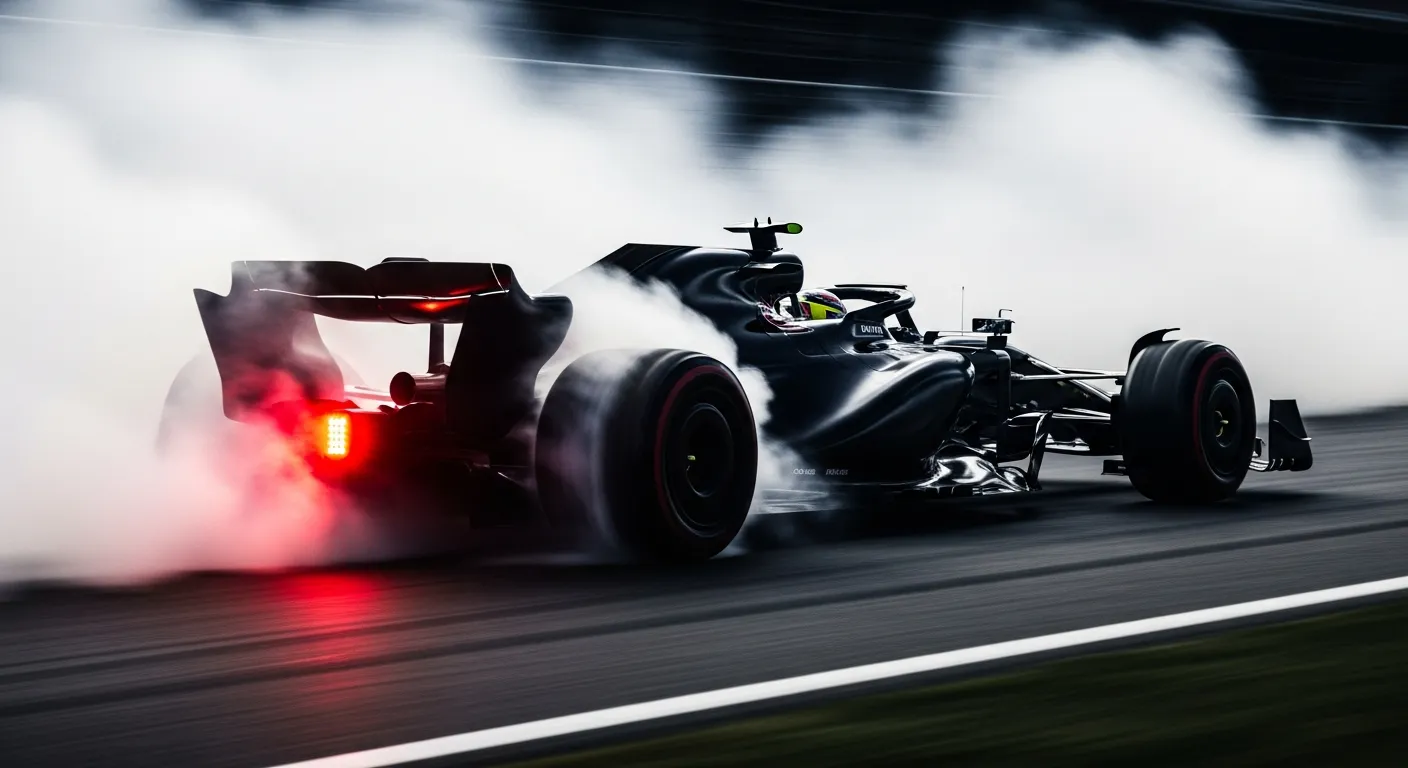
Esteban Ocon's record at the Saudi Arabian Grand Prix presents a clear narrative of initial strong performance followed by a consistent struggle to replicate those early results, particularly as the Alpine chassis evolved and then declined. His debut at the Jeddah Corniche Circuit in 2021 saw him secure a commendable 4th place finish, a testament to his ability to extract performance from the car on a demanding, high-speed street circuit. This result, achieved from a 9th place grid start, demonstrated a strong race craft and strategic execution, highlighting his comfort in close-quarters racing that such a venue demands.
However, the subsequent appearances have shown a noticeable downturn. In 2022, Ocon finished 6th, dropping from a 5th place grid slot. The following year, 2023, saw him cross the line in 8th after starting 6th. The trend continued into 2024 and 2025, with finishes of 13th and 14th respectively, both times starting further down the grid in 17th and 19th. This trajectory underscores the critical role of car performance at Jeddah; while Ocon has shown he can perform when the machinery is competitive, the circuit's relentless nature punishes any deficit in pace or setup. Unlike circuits that offer more varied corner profiles or opportunities for recovery, Jeddah's high-commitment, flowing layout means a car that isn't perfectly balanced can quickly fall behind.
Jeddah, with its long straights and fast, sweeping corners, demands a unique blend of aerodynamic efficiency and mechanical grip. Ocon's driving style, often characterized by precision and a willingness to push the limits, initially seemed well-suited to this challenge. His ability to maintain consistent lap times under pressure, a trait often seen in drivers who excel on street circuits like George Russell at the Singapore Grand Prix, should theoretically play to his strengths here. Yet, the data suggests that as the competitive landscape shifted, particularly within the midfield, Ocon and his team faced increasing difficulty in extracting the necessary performance to contend for the upper points-paying positions.
The circuit's evolution and the ever-increasing demands of Formula 1 racing, as detailed on the Formula 1 — official site, mean that even minor car deficiencies are amplified. For a driver like Ocon, who has consistently shown his calibre across a range of conditions, the decline in results at Jeddah is more indicative of the car's capabilities than a fundamental shift in his own performance. His five starts at the Saudi Arabian Grand Prix have yielded no wins or podiums, with his best finish remaining that strong 4th place from his inaugural appearance. The challenge for Ocon, now with the Haas F1 Team, will be to find a setup that allows him to exploit his precision and aggression on a track that offers little margin for error, a common theme for drivers navigating the complexities of the FIA — F1 World Championship calendar. This is a circuit where a driver's confidence in the car is paramount, similar to the high-speed demands of George Russell at the Azerbaijan Grand Prix.
Looking ahead, Ocon's performance at Jeddah will be a key indicator of the Haas F1 Team's progress, especially in managing the high-speed demands and tyre degradation inherent to the circuit. The raw data for past seasons, available through resources like Jolpica/Ergast — 2026 season data, consistently shows how critical qualifying position is at this venue. His ability to adapt to the car's characteristics and extract maximum performance in qualifying will be crucial for any chance of returning to the points, a task that often defines a driver's success on the global stage of Wikipedia: Formula One.