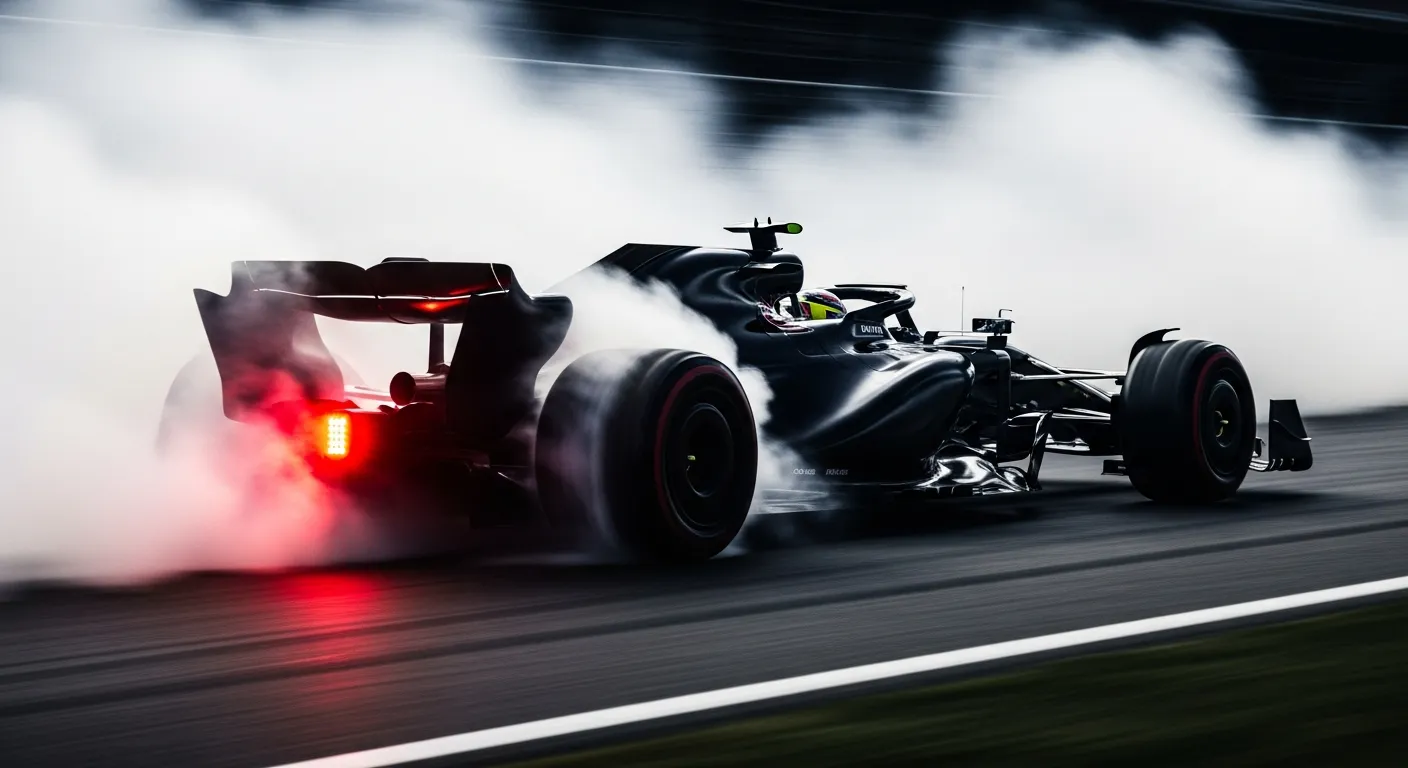
Fernando Alonso's extensive career at the Bahrain Grand Prix reveals a nuanced history, marked by dominant victories in his championship-winning years and a recent resurgence with Aston Martin. His record at the Sakhir International Circuit, a permanent fixture on the Formula 1 calendar, stands at 18 starts, yielding 3 wins and 4 podiums, with his best finish being a first-place result.
Alonso's early appearances at Bahrain were particularly strong. He secured his first victory here in 2005 with Renault, starting from pole and converting it into a win. He followed this with another triumph in 2006, again with Renault, demonstrating the strength of his package and his ability to manage the race from fourth on the grid. His third victory came in 2010, marking a memorable debut with Scuderia Ferrari, where he started third and navigated the race to finish first. These early successes underscore a period where Alonso, often in competitive machinery, consistently performed at the front on this demanding circuit. For more on the history of the sport, the Formula 1 official site provides extensive archives.
However, his journey at Bahrain hasn't been without its challenges. During his stints with McLaren and Alpine, Alonso experienced periods where securing points was a significant battle, and he recorded a DNF in 2021 due to brake issues. These years highlight how crucial a well-matched car is for consistent performance at Sakhir, where tyre degradation and power unit demands are high. This mirrors the challenges faced by drivers like Carlos Sainz at the Belgian Grand Prix, where power and balance are key.
The most recent chapter in Alonso's Bahrain story is his impressive podium finish in 2023 with Aston Martin. Starting fifth, he climbed to third, a performance that signaled a significant step forward for the team and a testament to Alonso's enduring skill and strategic acumen. This result, coming after a period of less competitive outings, showcased his ability to extract performance even in the twilight of his career. While the 2024 race saw him finish ninth from a sixth-place start, it still added points to his tally and demonstrated continued consistency, a trait also often observed in Carlos Sainz at the Hungarian Grand Prix, another circuit demanding precise race management.
Alonso's consistent presence and varied results across nearly two decades at Bahrain offer a compelling narrative of adaptation and resilience. His ability to manage tyres, particularly on the abrasive Sakhir surface, and his strategic race craft have often allowed him to maximize his car's potential, even when outright pace wasn't available. Understanding the broader context of Formula 1's evolution provides insight into these shifts, as detailed on Wikipedia: Formula One. His record here, with its peaks and troughs, provides a detailed look at how a driver of his caliber navigates the ever-changing landscape of F1. Detailed historical race data can be explored via sources like Jolpica/Ergast's 2026 season data.