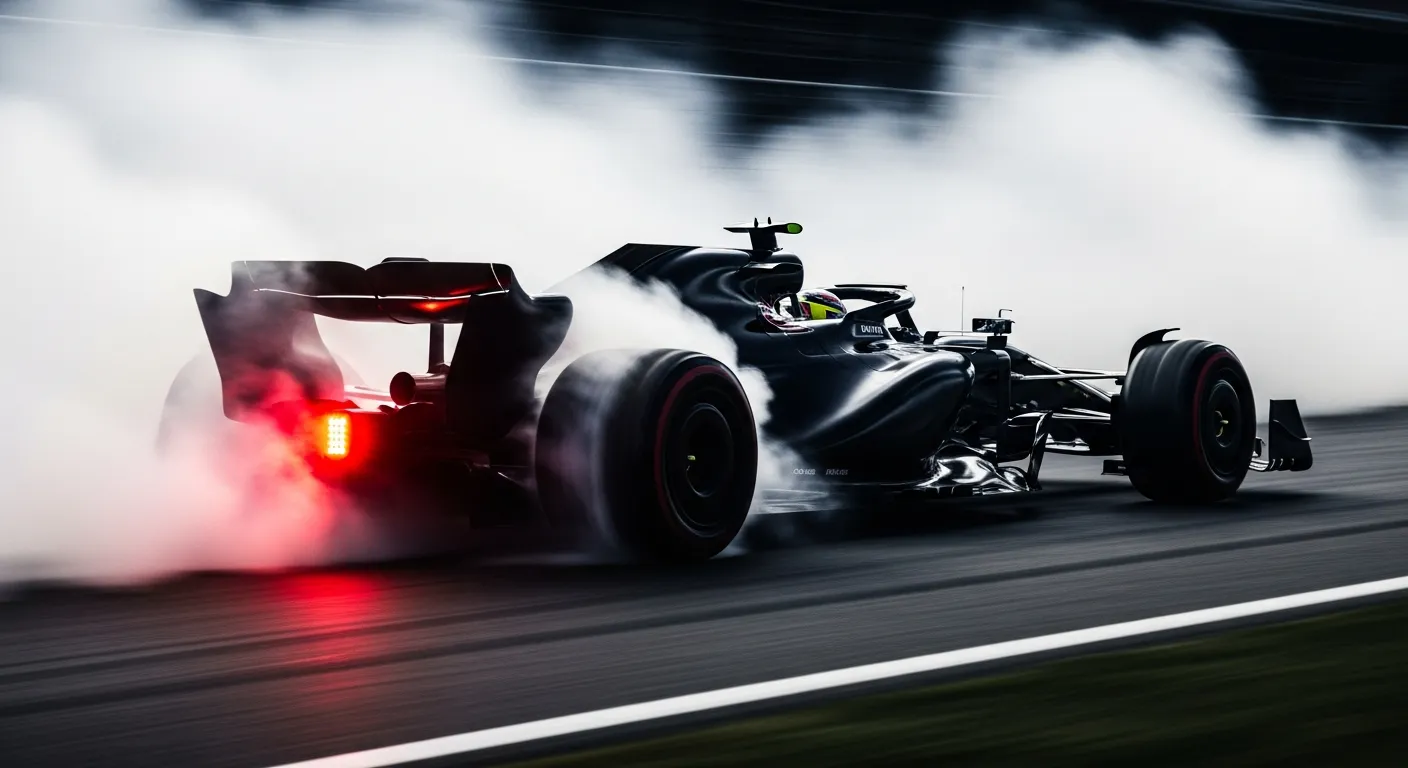
Fernando Alonso's narrative at the Circuit de Barcelona-Catalunya is one deeply intertwined with his career's ebb and flow, marked by two memorable victories and a consistent ability to extract performance even from less competitive machinery on home soil. His journey at the Spanish Grand Prix began in 2001 with Minardi, a challenging debut that saw him finish 13th. However, it wasn't long before his talent shone through, securing his first podium finish at Montmeló in 2003 with Renault, a clear sign of his potential.
The pinnacle of his early career at this permanent circuit arrived in 2006, where he claimed his first Spanish Grand Prix victory from pole position with Renault. This was a dominant performance, cementing his status as a championship contender. He followed this with a podium in 2007 during his first stint with McLaren. The circuit's blend of high-speed corners, particularly in Sector 1, and technical sections, like the demanding Turn 3 and the chicane before the final corner (prior to its removal), has often played to Alonso's strengths in car placement and tire management. His ability to adapt to varying car characteristics and track conditions has been a hallmark of his career, a trait that also serves drivers like Oliver Bearman at the British Grand Prix, where similar demands are placed on nuanced driving.
His second victory at the Spanish Grand Prix came in 2013 with Ferrari, a testament to his enduring skill and tactical intelligence. This win, starting from fifth on the grid, showcased his race craft and ability to capitalize on strategic opportunities. Over his 22 starts at this circuit, Alonso has amassed 7 podium finishes, a record that underscores his consistent competitiveness here. However, his tenure with McLaren from 2015 to 2018 proved more challenging, with several retirements due to mechanical issues, including brake and power unit failures, as detailed in historical race data available via sources like Jolpica/Ergast. These years highlight how crucial a competitive package is, even for a driver of Alonso's caliber.
In recent years, returning with Alpine and then Aston Martin, Alonso has continued to demonstrate his commitment and race intelligence. While the outright pace for podiums has been elusive in some of these seasons, he has consistently pushed for points, securing a 9th place finish in 2022 and 7th in 2023 with Aston Martin. The Circuit de Barcelona-Catalunya, with its well-known characteristics and extensive testing history, often exposes the true performance hierarchy of the grid, making Alonso's ability to extract maximum performance particularly notable. For a broader understanding of how Formula 1 cars are developed and perform across different circuits, the Formula 1 — official site offers extensive technical insights. His long career, spanning multiple eras of F1, is well-documented, with comprehensive historical context found on resources like Wikipedia: Formula One, showcasing his adaptability through various technical regulations and car designs.
Alonso's deep understanding of this track, honed over decades, allows him to find marginal gains, particularly in the slower, more technical sectors where driver input can make a significant difference. This level of experience and precision is a quality also observed in drivers navigating the tight, demanding corners of circuits like Oliver Bearman at the Hungarian Grand Prix. His recent performances, even when not challenging for wins, still draw attention for his strategic acumen and relentless pursuit of every available tenth.