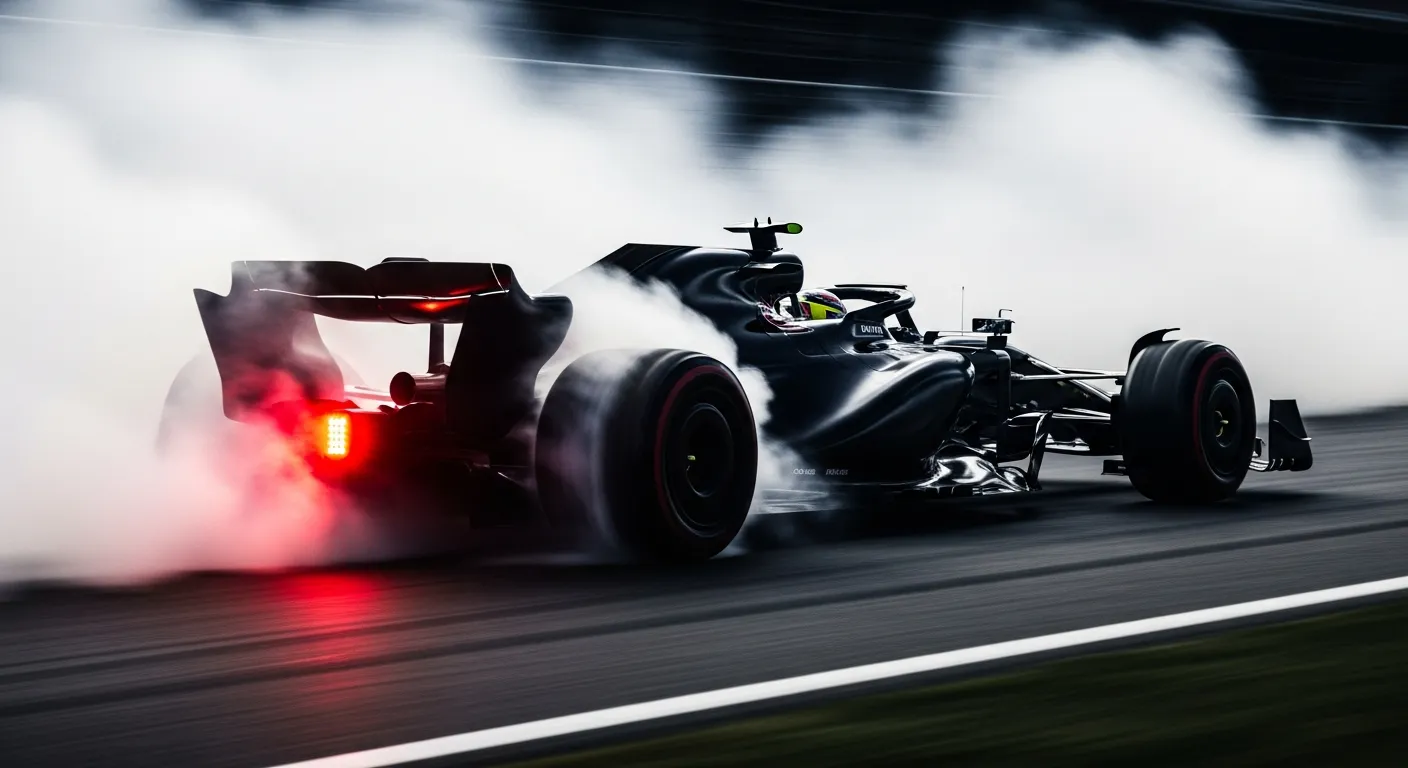
Jack Doohan's first Formula 1 appearance at the Emilia Romagna Grand Prix, should it occur, would represent a demanding introduction to one of the calendar's most revered and unforgiving permanent circuits.
The Autodromo Internazionale Enzo e Dino Ferrari, better known as Imola, is a circuit steeped in Formula 1 history, renowned for its challenging blend of high-speed sections and intricate chicanes. Unlike many modern purpose-built tracks, Imola retains much of its original character, with significant elevation changes and narrow sections that punish even minor errors. For a driver like Doohan, transitioning from junior categories, understanding the nuanced flow of this circuit will be paramount. The demands on car setup are immense, requiring a precise balance between aerodynamic efficiency for the straights and mechanical grip for the tight corners.
Doohan's experience in Formula 2 has showcased his raw speed and ability to adapt, but the step to a Formula 1 car at a track like Imola is considerable. The circuit's technical nature, with its heavy braking zones and quick changes of direction through complexes like the Acque Minerali, will test his precision and tyre management skills. This isn't a circuit where a driver can easily mask a suboptimal car setup or a slight misjudgment. It demands a level of commitment and understanding that only comes with experience, making any potential debut here particularly telling. We've seen how even established drivers can struggle to find the rhythm at demanding tracks, much like Pierre Gasly at the Australian Grand Prix, where adapting to the unique demands of a circuit after a break can be a steep learning curve.
Driving for Alpine, Doohan would face the added pressure of extracting performance from a package that has, at times, shown inconsistent form. Imola's layout often highlights a car's fundamental strengths and weaknesses, particularly in its medium-speed cornering ability and traction out of the slower chicanes. For a young driver, this means not only mastering the circuit but also working effectively with the team to dial in a setup that maximizes the car's potential. The data available through resources like often reveals the subtle performance shifts teams experience across different track types, underscoring the importance of this synergy.