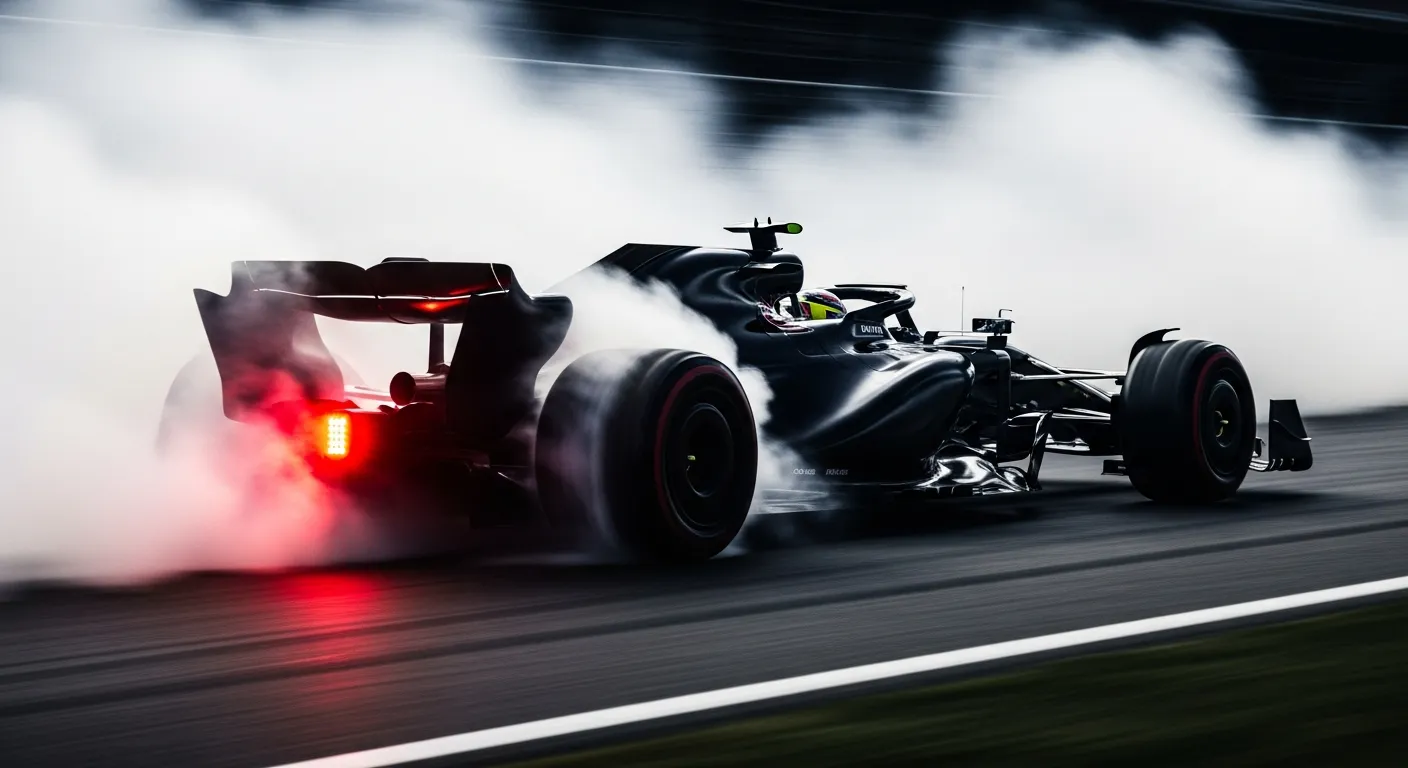
Jack Doohan's prospective engagement with the Belgian Grand Prix at Spa-Francorchamps represents a significant moment, offering a unique challenge to his developing F1 skillset on one of the calendar's most revered permanent circuits. With no prior Formula 1 starts or recorded finishes at this venue, any outing would mark a crucial benchmark for the Alpine junior driver, demanding a blend of raw pace and strategic acumen.
Spa-Francorchamps, a circuit frequently highlighted on the Formula 1 — official site, is an anomaly in modern F1, boasting an extraordinary length of just over seven kilometers and an array of high-speed corners coupled with dramatic elevation changes. The iconic Eau Rouge-Raidillon complex, followed by the long Kemmel Straight, places a premium on aerodynamic efficiency and engine power. For a driver like Doohan, who has demonstrated a propensity for aggressive driving and strong qualifying performances in junior categories, mastering the flow through Blanchimont and the precision required for the Bus Stop chicane will be paramount. The circuit's character, distinct from the high-speed, low-downforce demands of a track like Gabriel Bortoleto at the Italian Grand Prix, requires a car setup that balances straight-line speed with stability through its sweeping corners.
The challenge extends beyond outright speed. Spa's microclimates mean weather can shift rapidly, often seeing different parts of the track experiencing varying conditions within the same lap. This unpredictability demands quick thinking and adaptability, traits that are rigorously tested under pressure. A driver's ability to manage tyre degradation over the long lap, especially through the high-energy corners, also becomes a critical factor. The historic nature of the track, detailed in resources like Wikipedia: Formula One, means it has retained much of its original character, providing a pure test of a driver's capability.
For Doohan, a strong showing at Spa would not only underscore his potential but also provide invaluable data for Alpine regarding his performance under varied, high-pressure conditions. The circuit's blend of technical sections and flat-out straights offers ample opportunity for overtakes, making race craft as important as qualifying pace. Understanding the nuances of tyre compounds and their interaction with the permanent asphalt surface will be key to unlocking performance over a race distance. The insights gained from such an event are crucial for a developing driver's trajectory, informing future strategy and car development, as tracked by data sources like . Comparing the demands here to the tight, technical challenges of a circuit like highlights the broad spectrum of skills an F1 driver must possess. Similarly, the strategic considerations differ from the street circuit environment of , where safety cars often dictate the race narrative more directly than at Spa.