Track record
Source: Jolpica F1 API- Starts
- 1
- Wins
- 0
- Podiums
- 0
- Best finish
- P13
- DNFs
- 0
- Points
- 0
Every appearance
| Year | Team | Grid | Finish | Pts |
|---|---|---|---|---|
| 2025 | Mercedes AMG F1 | P7 |
Driver × Circuit · permanent
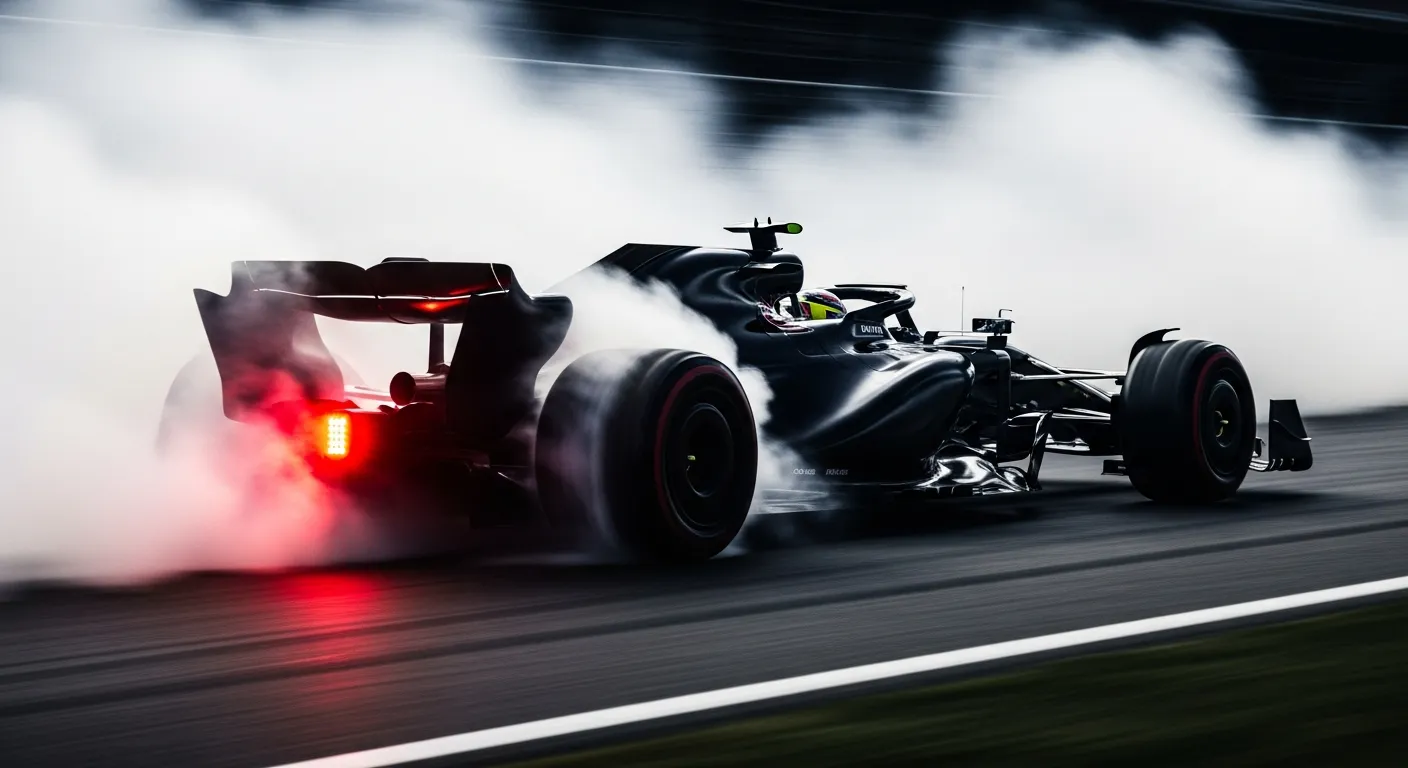
Andrea Kimi Antonelli's sole appearance at the United States Grand Prix in 2025 saw him finish 13th, providing an initial data point for his adaptation to COTA's demanding layout.
| Year | Team | Grid | Finish | Pts |
|---|---|---|---|---|
| 2025 | Mercedes AMG F1 | P7 |
| P13 |
| 0 |
Andrea Kimi Antonelli's singular outing at the United States Grand Prix in 2025, resulting in a 13th-place finish, offers a foundational, albeit limited, insight into his performance at the Circuit of the Americas. His debut at this permanent circuit saw him start from an impressive 7th position on the grid, demonstrating strong qualifying pace for a rookie in the Mercedes AMG F1 car. However, the race itself presented a different challenge, with Antonelli ultimately crossing the line in 13th, securing 0 points from his single start at this venue. This initial experience underscores the complexities of COTA for even the most promising talents in the competitive world of Wikipedia: Formula One.
The Circuit of the Americas is renowned for its diverse layout, blending high-speed sections with technical corners and significant elevation changes. The opening sector, with its dramatic uphill run to Turn 1 and subsequent esses, demands precision and confidence, akin to a condensed version of Suzuka. For a driver like Antonelli, known for his meticulous approach in junior categories, mastering this flow is crucial. His ability to qualify 7th suggests he quickly found a rhythm through these demanding sequences, a testament to his raw speed and the Mercedes' inherent balance. This contrasts with some other circuits where rookie drivers might struggle more acutely with initial setup, such as Oscar Piastri at the Spanish Grand Prix, which also demands a high degree of technical precision.
COTA's middle and final sectors shift focus towards heavy braking zones and slower, more technical corners, requiring strong front-end grip and effective tyre management. The long back straight, followed by the tight hairpin of Turn 11, presents an overtaking opportunity but also places significant stress on the brakes. Antonelli's race performance, dropping from 7th to 13th, hints at potential areas for development, perhaps in long-run tyre degradation or race craft in traffic on this specific track. Understanding how the Mercedes W16 (or its 2025 iteration) managed its tyres across different stints would be key to dissecting this result further, as detailed by the Formula 1 — official site race reports.
His best finish of 13th in 2025, while not a points-scoring result, provides a benchmark for future appearances. The experience gained from a full race distance at a circuit with such varied demands is invaluable. It’s not uncommon for even seasoned drivers to find COTA a tricky proposition, balancing outright pace with strategic tyre conservation. This is a different kind of challenge compared to the high-speed, low-downforce demands seen by Oscar Piastri at the Canadian Grand Prix, where different car characteristics are tested. Looking ahead, Antonelli will undoubtedly use this data to refine his approach, focusing on optimizing race pace and managing the unique challenges presented by COTA's permanent asphalt. This continuous learning process is fundamental in Formula 1, as evidenced by the detailed race data available through platforms like Jolpica/Ergast — 2026 season data, which tracks driver and constructor performance across seasons.