Track record
Source: Jolpica F1 API- Starts
- 1
- Wins
- 0
- Podiums
- 0
- Best finish
- —
- DNFs
- 1
- Points
- 0
Every appearance
| Year | Team | Grid | Finish | Pts |
|---|---|---|---|---|
| 2025 | Mercedes AMG F1 | P10 |
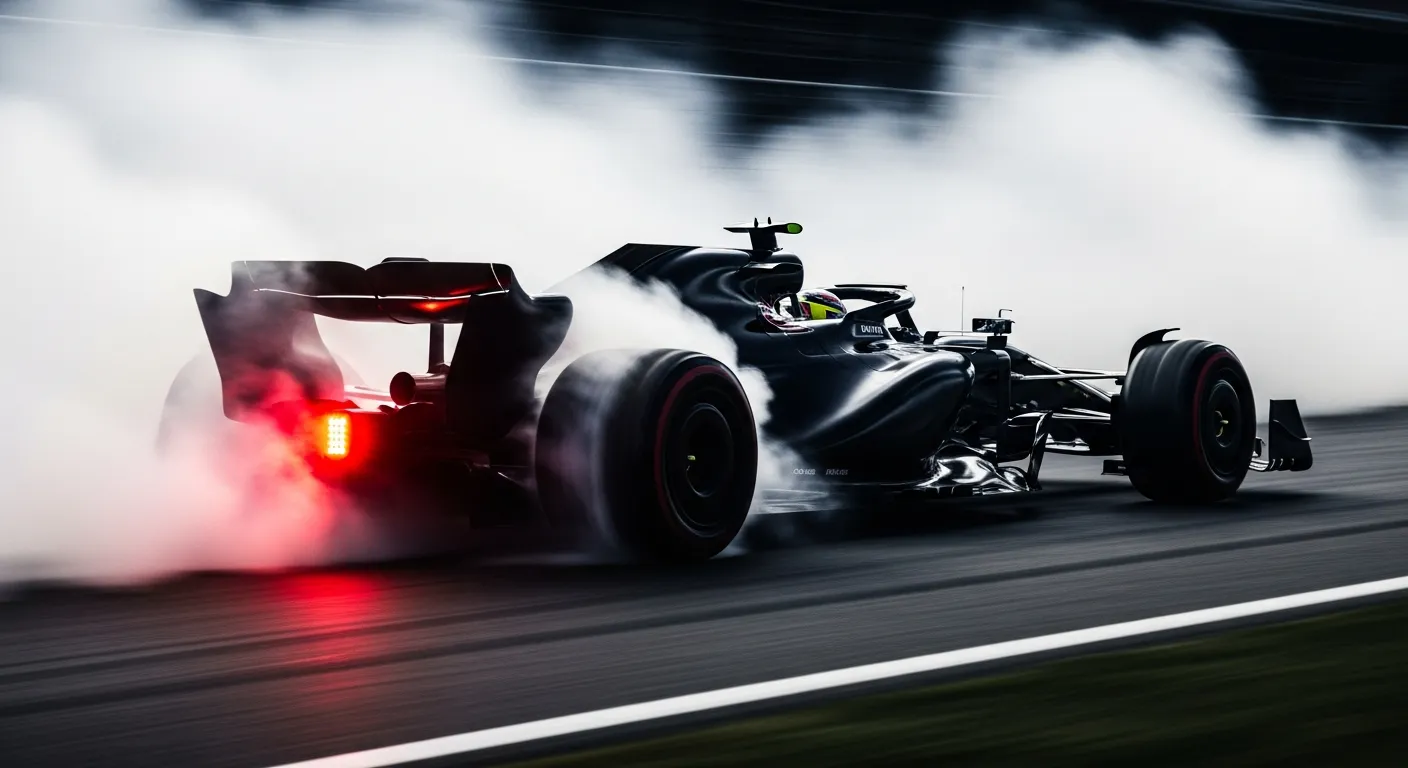
Driver × Circuit · permanent
Andrea Kimi Antonelli's sole British Grand Prix appearance in 2025 ended prematurely due to collision damage, leaving his potential at Silverstone largely unquantified.
| Year | Team | Grid | Finish | Pts |
|---|---|---|---|---|
| 2025 | Mercedes AMG F1 | P10 |
| Collision damage |
| 0 |
Andrea Kimi Antonelli's debut at the British Grand Prix in 2025, while brief, offered a glimpse into his potential adaptation to Silverstone's high-speed demands, despite an unfortunate early retirement. As a permanent circuit renowned for its flowing, high-speed sections, Silverstone presents a unique challenge that rewards drivers with confidence in quick changes of direction and a strong understanding of aerodynamic balance. Antonelli's single start at Silverstone in 2025 resulted in a DNF due to collision damage, meaning he has 0 wins and 0 podiums at this circuit, with no recorded best finish. This incident occurred early in the race, preventing any meaningful assessment of his race pace or tyre management capabilities on this demanding track.
Silverstone, with its iconic corners like Maggotts, Becketts, and Chapel, places a premium on a car's aerodynamic efficiency and a driver's ability to carry speed through fast sweeps. For a young driver like Antonelli, who has shown considerable talent in junior categories, mastering these sections requires a blend of raw speed and precise car placement. His experience in single-seaters suggests an inherent ability to adapt to varying circuit characteristics, but the sheer speed and G-forces at Silverstone are a step above many other venues. Comparisons might be drawn to how other Mercedes drivers, such as George Russell at the Spanish Grand Prix, navigate circuits that demand high aerodynamic performance and sustained cornering speed, though Barcelona's layout offers a different set of challenges.
The British Grand Prix is often a test of nerve and mechanical grip, particularly through the high-speed complex that defines the first sector. Antonelli's performance in qualifying, where he started 10th, indicated a reasonable initial understanding of the Mercedes W16's capabilities on this track. However, the race itself is a different proposition, demanding consistent performance over many laps. The incident that led to his DNF meant he couldn't demonstrate his long-run pace or how he might manage tyre degradation, a critical factor at Silverstone's abrasive surface. For a broader understanding of the sport's regulations and historical context, the FIA — F1 World Championship site provides comprehensive details on how events are governed.
Moving forward, any future appearances for Antonelli at Silverstone will be crucial for establishing his benchmark at one of Formula 1's most revered tracks. His ability to extract performance from the Mercedes package on a circuit that heavily favors aero balance will be a key indicator of his progress. The evolution of Formula 1 cars and circuits, including Silverstone's storied history, is well-documented on Wikipedia: Formula One, providing context for the challenges drivers face. While his 2025 outing was brief, the potential for Antonelli to shine at such a high-speed venue remains. Observing his sector times, especially through the quick changes of direction, will offer insights into his comfort level and the car's setup. For detailed race results and season statistics, including Antonelli's 2025 entry, data providers like Jolpica/Ergast — 2026 season data offer comprehensive records. His development on other permanent circuits, such as those encountered by George Russell at the Emilia Romagna Grand Prix, will also provide valuable context for his approach to Silverstone's unique demands.