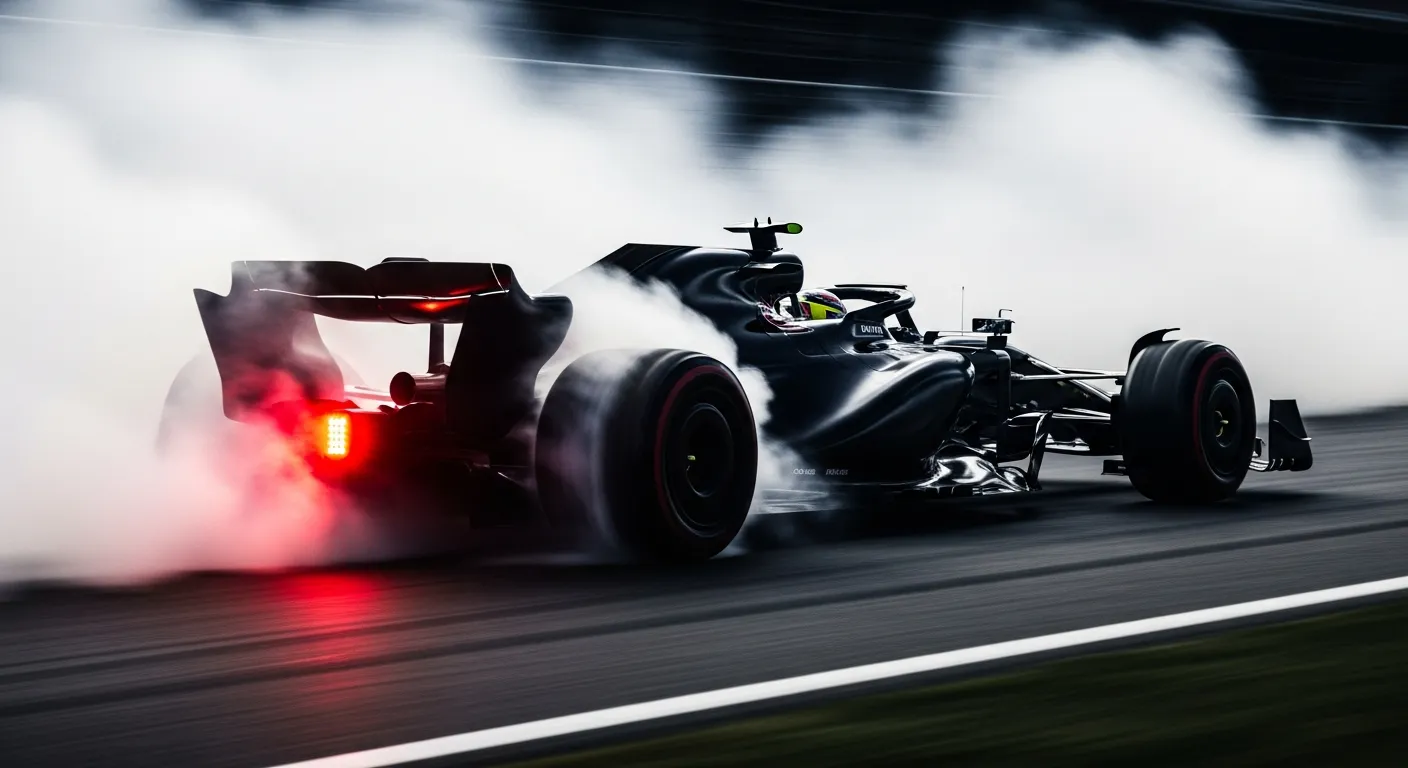
Lance Stroll's relationship with the Baku City Circuit is defined by an early career highlight contrasted with a more inconsistent run in recent years, reflecting the challenging nature of this demanding street circuit. His debut at the Azerbaijan Grand Prix in 2017 stands as a significant moment, where he secured his first career podium, finishing 3rd for Williams Grand Prix Engineering. Starting from 8th on the grid, this performance underscored a nascent ability to navigate the unique pressures and opportunities presented by Baku's unforgiving walls and high-speed sections. It was a race that demonstrated his capacity for opportunistic driving and composure under pressure, securing 15 crucial points.
Following this breakthrough, Stroll continued to show flashes of competence at Baku. In 2018, he secured an 8th-place finish, adding 4 points to his tally, and in 2019, he brought his Racing Point F1 Team car home in 9th, earning 2 points. Even in 2023, driving for Aston Martin, he managed a respectable 7th place, collecting 6 points. These results illustrate a driver who, when the car and circumstances align, can extract solid points from a circuit known for its unpredictability. The long main straight and the tight, technical castle section demand a specific setup and driver confidence, elements Stroll has occasionally harnessed effectively. For a broader view of F1 history and circuit challenges, the Wikipedia: Formula One page offers comprehensive context.
However, Stroll's record at Baku also includes its share of setbacks. The 2021 race saw him retire due to a tyre failure, a stark reminder of the circuit's high-speed demands and the fine margins involved. In 2022, despite finishing 16th, his race was compromised by vibrations, and the 2024 event also saw a troubled finish in 19th due to brake issues. These instances highlight the relentless nature of the Baku street circuit, where minor missteps or technical issues can quickly derail a promising weekend. The contrast between his 2017 podium and these more recent struggles points to a fluctuating consistency that is sometimes characteristic of drivers on high-stakes street circuits, a pattern also observed with drivers like Liam Lawson at the Singapore Grand Prix.
Analyzing Stroll's performances at Baku suggests a driver who can thrive in chaotic conditions but sometimes struggles to maintain peak performance across changing regulations and car characteristics. The circuit's blend of long, flat-out sections and intricate, low-speed corners requires a versatile approach to setup and driving style. While Stroll has demonstrated the ability to be quick through certain sectors, translating that into consistent race-long pace and avoiding incident has been a challenge in recent years. For detailed race data and results, platforms like Jolpica/Ergast — 2026 season data provide invaluable historical insights. Understanding how drivers adapt to such unique tracks is key, much like examining Liam Lawson at the Azerbaijan Grand Prix provides another perspective on tackling this specific challenge. The official Formula 1 — official site offers the latest news and analysis, providing further context to driver performances.
His best finish remains the 3rd place from 2017, and he has secured 1 podium in his 8 starts at this event, accumulating 27 points in total. While his more recent outings haven't replicated that early success, Stroll's history at Baku underscores a driver capable of significant results when conditions align, but also susceptible to the circuit's inherent difficulties. This dynamic makes his future appearances at the Azerbaijan Grand Prix a point of particular interest, especially when comparing his trajectory to emerging talents on high-speed circuits, such as Liam Lawson at the Italian Grand Prix.