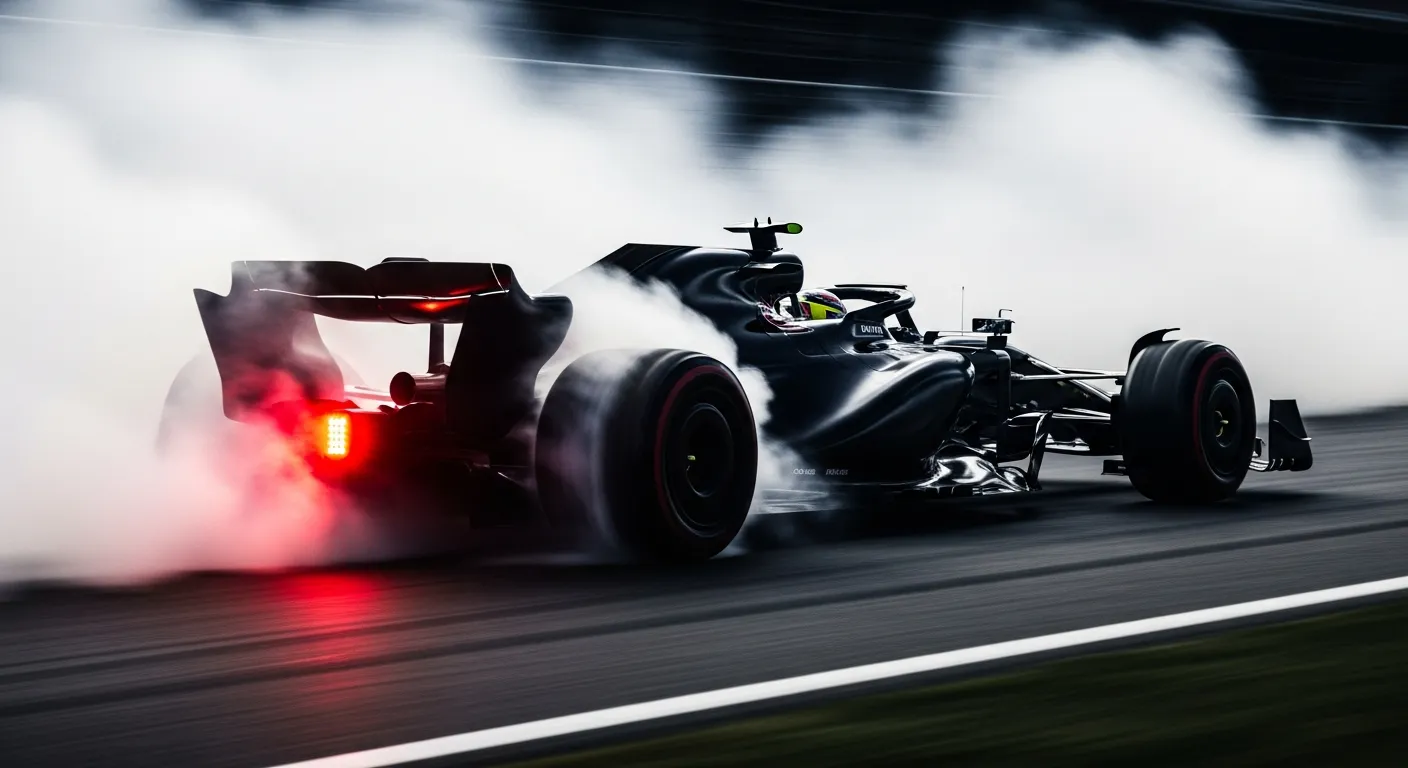
Lance Stroll's nine appearances at the Belgian Grand Prix on the demanding Spa-Francorchamps circuit reveal a driver who consistently brings his car home, yet often finds the upper echelons of the points challenging to reach despite the circuit's unique characteristics. Stroll has a remarkable record of finishing every race at Spa, a testament to his reliability on a circuit known for its challenges. His best finish of ninth came in 2020 with Racing Point, a season where the car was particularly competitive. He also secured a ninth-place finish in 2019 with Racing Point and again in 2023 with Aston Martin. This consistency in bringing the car to the flag, across nine starts, is a notable feature of his Belgian Grand Prix record, especially considering Spa's reputation for unpredictable conditions and high attrition.
The Spa-Francorchamps circuit, a permanent fixture on the F1 calendar, is renowned for its high-speed sectors and the dramatic elevation changes through corners like Eau Rouge and Raidillon. These sections demand absolute commitment and a car that is both aerodynamically efficient and stable under high lateral loads. Stroll, often lauded for his ability to manage challenging conditions, has shown flashes of pace in these high-commitment zones, particularly in qualifying sessions where he has started from ninth twice (2020, 2022). However, translating this into consistent race-day points has proven more elusive across his nine starts, with zero wins and zero podiums to his name at this venue.
With Aston Martin, Stroll's fortunes at Spa have been mixed. The 2021 race saw him finish 20th, a challenging weekend for the team. However, he returned to the points in 2023 with another ninth-place finish, demonstrating that when the AMR23 package was competitive, he could extract a solid result. This mirrors some of the team's broader performance fluctuations. The circuit's long straights, such as the run down to Les Combes, emphasize power unit performance and drag efficiency, areas where Aston Martin has sometimes excelled and sometimes struggled. Understanding the nuances of a permanent circuit like Spa requires a deep historical perspective, which can be found on resources like Wikipedia: Formula One.
While his record of nine starts without a win or podium might not stand out against the most dominant drivers, Stroll's consistent ability to finish races at Spa, a track that often sees high attrition, is a notable aspect of his performance here. For instance, a driver like Esteban Ocon at the Australian Grand Prix has also shown a knack for bringing the car home in challenging conditions, though with differing results. The key for Stroll at Spa often lies in leveraging the car's strengths in the flowing middle sector and managing tyre degradation effectively over a full race distance. The official Formula 1 — official site provides comprehensive data on driver and team performances, offering further context on how Stroll's results compare across seasons.
Looking ahead, Stroll's performance at the Belgian Grand Prix will continue to be heavily influenced by the competitiveness of his Aston Martin chassis. His best results have come in years where the car offered a stronger platform. The data from Jolpica/Ergast — 2026 season data and prior seasons consistently shows the correlation between car performance and driver results. For a driver like Stroll, who thrives on confidence and a stable platform, Spa presents a unique test. His approach to qualifying, particularly navigating the unpredictable conditions often seen in the Ardennes, will be crucial, similar to how Esteban Ocon at the Chinese Grand Prix often has to adapt to changing track conditions. Another example of a driver facing unique circuit challenges is Jack Doohan at the São Paulo Grand Prix, where altitude and track layout demand a specific setup. The FIA's regulations for the F1 World Championship also play a role in how teams design cars for circuits like Spa, influencing everything from aerodynamic efficiency to engine power.