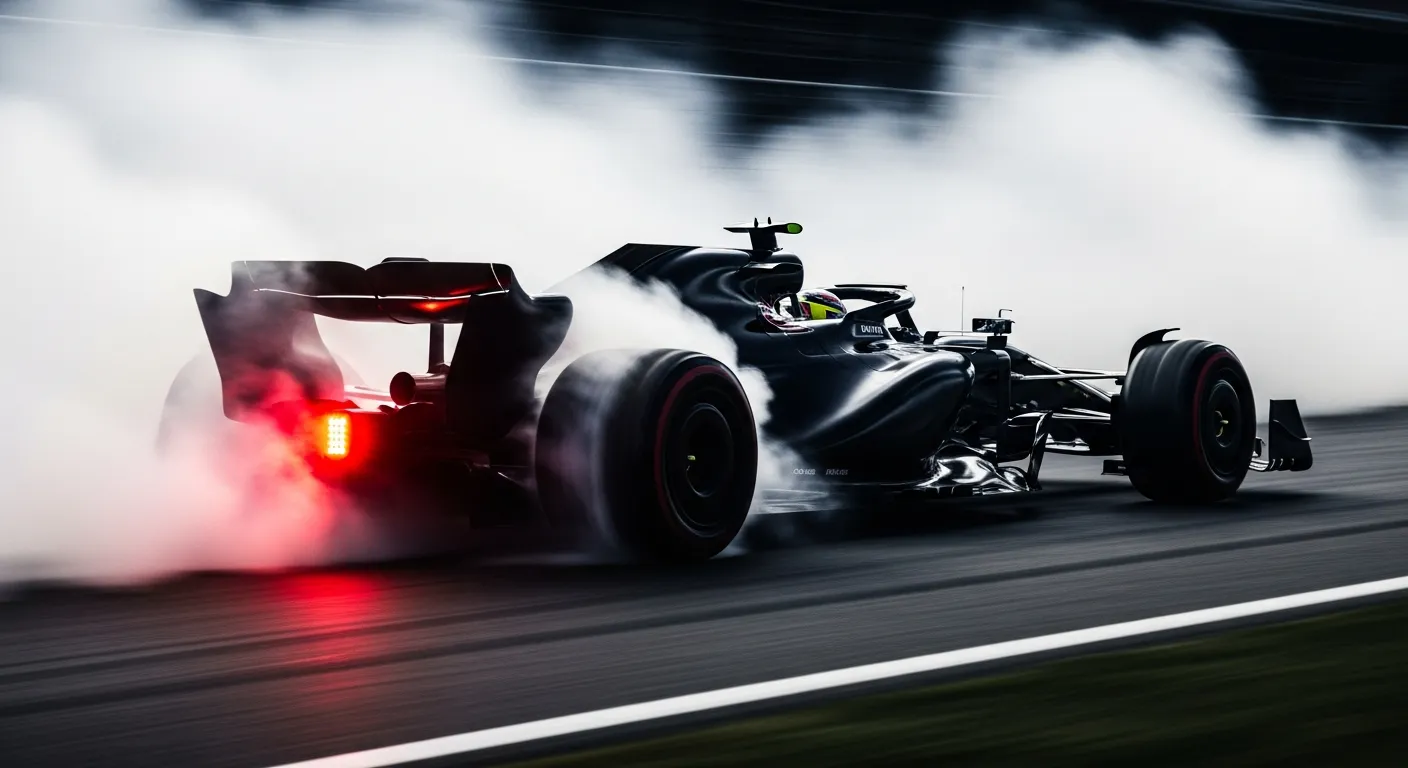
Lance Stroll's history at the demanding Suzuka International Racing Course highlights a consistent struggle to find a rhythm that translates into significant points, despite the circuit's classic, flowing nature. Across eight starts at the Japanese Grand Prix, Stroll has yet to secure a win or a podium finish, with his best result being a 9th place in 2019 while driving for Racing Point. This single points-scoring performance, which earned him two championship points, stands as an outlier in a record otherwise marked by finishes outside the top ten and three retirements.
His debut at Suzuka in 2017 with Williams ended prematurely due to a suspension issue. The following year, again with Williams, he finished 17th. The 2019 season offered a glimpse of potential with that 9th-place finish, demonstrating that when the car and conditions align, Stroll can navigate Suzuka's challenging sectors effectively. However, subsequent outings with Aston Martin in 2022, 2023, 2024, 2025, and 2026 have seen him finish 12th, retire due to a rear wing issue, finish 12th again, finish 20th, and retire with a mechanical problem, respectively. This pattern suggests a persistent challenge in extracting consistent performance on a circuit renowned for punishing even minor setup imperfections or driver errors.
Suzuka's high-speed Esses and technical first sector demand absolute precision and a car with excellent aerodynamic balance, particularly in changes of direction. For drivers like Stroll, who often prefer a stable rear end, finding that balance without compromising front-end grip through the sweeping corners can be a delicate act. The circuit's abrasive surface also places a premium on tyre management, a factor that can significantly influence race strategy and driver performance over a full Grand Prix distance. Understanding the nuances of permanent circuits like Suzuka, or even the challenges of street circuits such as those Yuki Tsunoda faces at the Singapore Grand Prix, is crucial for consistent results in Formula 1.
Examining Stroll's performances, particularly his qualifying positions, often reveals where the weekend's challenges begin. Starting from 15th, 14th, 12th, 18th, 17th, 16th, 20th, and 22nd over his eight appearances, his grid slots at Suzuka have rarely provided a strong foundation for a points finish. This highlights the importance of a strong Saturday performance at a track where overtaking, while possible, is not straightforward without a significant pace advantage. The Formula 1 official site often details the qualifying struggles and their impact on race day.
Comparing his Suzuka record to other permanent tracks, such as where Yuki Tsunoda competes at the United States Grand Prix or Yuki Tsunoda at the Qatar Grand Prix, offers insight into how different circuit characteristics might play to his strengths or expose weaknesses. The data available through resources like Jolpica/Ergast — 2026 season data provides a comprehensive view of these trends. Ultimately, Suzuka remains a circuit where Stroll has yet to fully unlock consistent top-tier performance, making each visit a test of adaptability and car development.