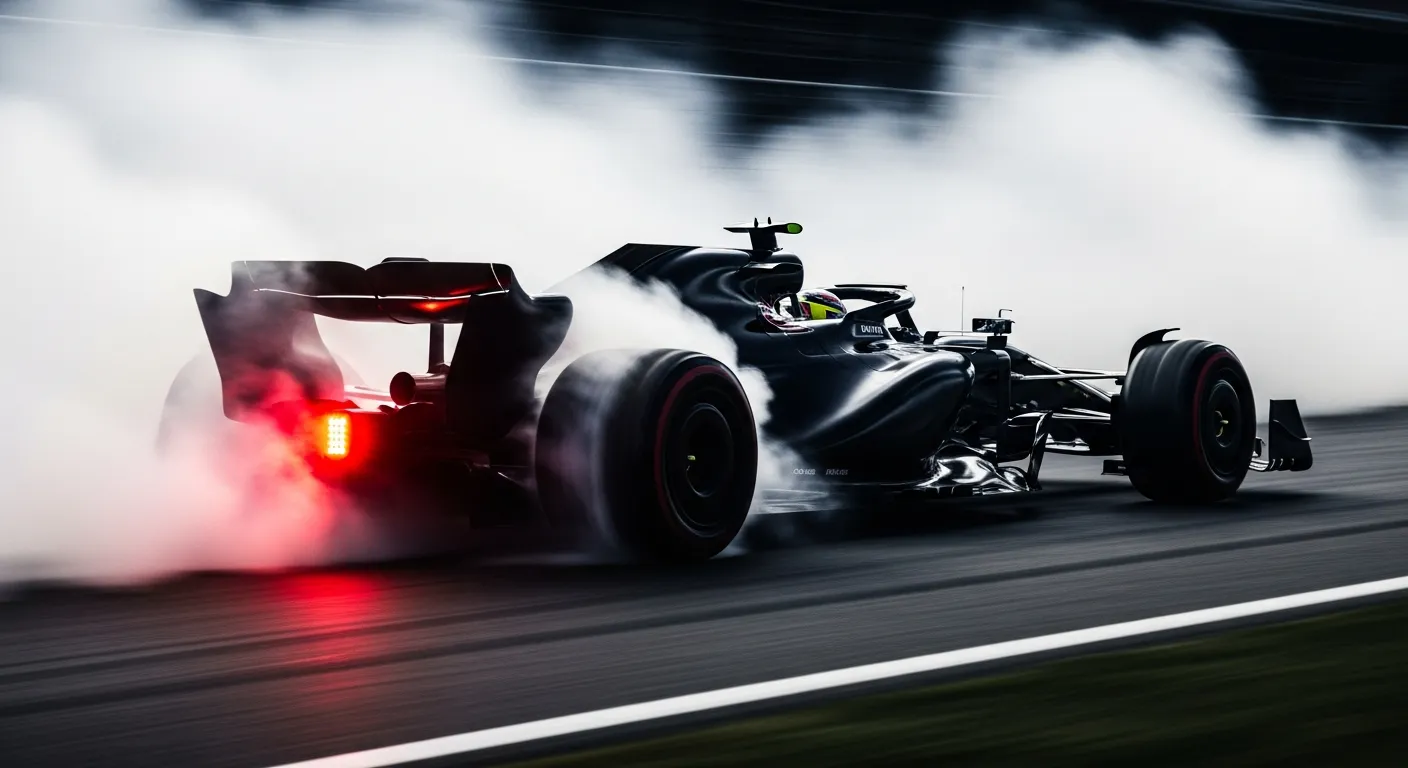
Lewis Hamilton's record at the Dutch Grand Prix at Zandvoort presents a narrative of near-triumph and subsequent challenges, particularly as the circuit's unique demands have intersected with the evolving performance of his machinery. Across his five starts at this permanent circuit, Hamilton has secured one podium finish, a second place in 2021, marking his best result here. This initial success hinted at a strong potential, yet subsequent years have seen him battling for consistent top-tier results, culminating in a DNF in 2025 in his debut season with Scuderia Ferrari.
The Zandvoort circuit, with its undulating profile and iconic banked corners like the Arie Luyendykbocht, places a premium on aerodynamic stability and driver precision. Hamilton, renowned for his ability to extract performance from technically demanding cars and manage tyres effectively, has often found himself navigating the narrow confines and high-speed changes of direction. The 2021 race, for instance, saw him pushing Max Verstappen hard, demonstrating his capacity to adapt to the circuit's unique flow, a trait also observed in drivers like Lando Norris at the São Paulo Grand Prix, who excel on traditional, flowing tracks.
However, the subsequent seasons, particularly 2022 and 2023, reflected the broader performance struggles Mercedes faced, making it difficult for Hamilton to replicate his earlier podium success. His grid positions of 4th, 13th, and 14th in those years underscore the qualifying challenges at Zandvoort, where track position is paramount due to limited overtaking opportunities. The circuit's character, demanding high downforce and precise steering inputs, can be unforgiving if the car's balance isn't optimal, a factor that has impacted many top drivers, including Oscar Piastri at the Australian Grand Prix on another permanent, technical layout.
The 2024 season saw a further dip in performance, with an 8th-place finish from 14th on the grid, indicating the persistent struggle. The 2025 DNF, while a setback in his new chapter with Ferrari, highlights the inherent risks and unpredictable nature of racing at Zandvoort. The track's abrasive surface and high-energy corners also make tyre degradation a critical factor, a challenge Hamilton typically masters, but one that can be exacerbated by a less-than-ideal car setup. For a comprehensive overview of Formula 1's regulations and history, the official Formula 1 site provides extensive resources, while general F1 statistics can be explored via Jolpica/Ergast data.
Looking ahead, Hamilton's transition to Ferrari introduces a new dynamic. The team's car philosophy and Zandvoort's specific demands will dictate his potential. His experience and strategic acumen, honed over years, including challenging races akin to Lando Norris at the Abu Dhabi Grand Prix where strategy plays a key role, will be crucial. The Dutch Grand Prix remains a test of both driver skill and car harmony, and Hamilton's future performances here will be closely watched as he aims to add to his single Zandvoort podium with his new team. More background on the sport's history and evolution can be found on Wikipedia: Formula One.