Track record
Source: Jolpica F1 API- Starts
- 2
- Wins
- 0
- Podiums
- 0
- Best finish
- P12
- DNFs
- 0
- Points
- 0
Every appearance
| Year | Team | Grid | Finish | Pts |
|---|---|---|---|---|
| 2023 | Scuderia AlphaTauri | P19 |
Driver × Circuit · permanent
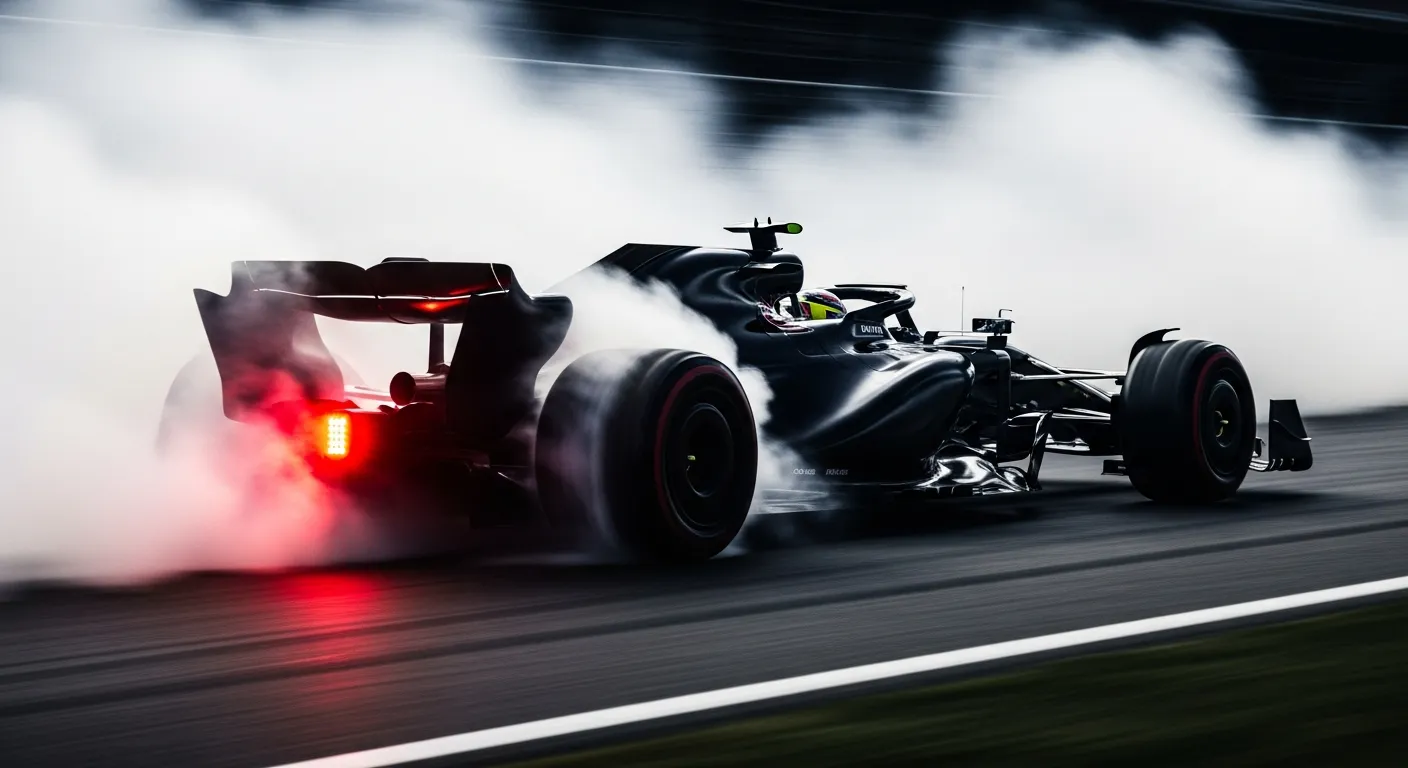
Liam Lawson's two appearances at the Dutch Grand Prix highlight his rapid F1 adaptation to Zandvoort's unique challenges, culminating in a best finish of 12th in 2025.
| Year | Team | Grid | Finish | Pts |
|---|---|---|---|---|
| 2023 | Scuderia AlphaTauri | P19 |
| P13 |
| 0 |
| 2025 | Racing Bulls | P8 | P12 | 0 |
Liam Lawson's two outings at the Dutch Grand Prix, particularly his abrupt debut in 2023 and his subsequent return in 2025, offer a compelling narrative of a young driver's rapid integration into Formula 1 amidst the demanding, old-school confines of Zandvoort. This permanent circuit, known for its undulating layout and banked corners, presents a formidable test even for seasoned veterans, making Lawson's performances here particularly insightful.
His inaugural appearance in 2023 was a baptism by fire. Called up at the last minute to replace an injured Daniel Ricciardo, Lawson faced the Dutch Grand Prix weekend with minimal preparation. Starting from 19th on the grid, he navigated treacherous wet-dry conditions to bring the car home in 13th position. This was a remarkably composed drive for a rookie making his F1 debut on such a challenging track, demonstrating immediate adaptability and car control under pressure. The narrow, high-speed nature of Zandvoort, with its limited run-off areas, demands absolute precision, a trait Lawson showcased from the outset. For comparison, adapting to such a circuit can be as demanding as mastering the technical sections of a track like Lance Stroll at the United States Grand Prix, where precise steering inputs are crucial.
Returning to Zandvoort in 2025, Lawson arrived with a full season of experience under his belt, reflecting a more established presence within the Racing Bulls team. This time, he qualified significantly better, securing an 8th-place grid slot. While the race saw him finish 12th, the improved qualifying performance underscored his growing confidence and understanding of both the car and the circuit. His ability to extract pace from the car in qualifying, despite the complexities of Zandvoort's layout, points to a driver who learns quickly and applies feedback effectively. The circuit's flow, characterized by a series of fast, interconnected corners, rewards drivers who can maintain momentum, a skill Lawson has consistently demonstrated throughout his junior career and now in Formula 1.
Across his 2 starts at the Dutch Grand Prix, Lawson has yet to secure any wins or podiums, with his best finish being 12th in 2025. However, his journey at this specific venue reflects a broader trend of development. Zandvoort, with its unique blend of high-speed sections and technical turns, serves as an excellent proving ground for a driver's raw talent and capacity for quick learning. His progression from a last-minute substitute to a more competitive qualifier on this demanding track highlights his potential. Understanding the nuances of such circuits is vital for any driver aiming for a long career in the sport, as detailed in the comprehensive history of Formula One racing. The data from official sources, such as the Formula 1 — official site, corroborates his consistent improvement, even if points have yet to materialize at this particular event. His performance trajectory at Zandvoort suggests a driver who is steadily building his foundation, much like how drivers approach other historic, compact tracks such as Lance Stroll at the São Paulo Grand Prix.
Lawson's future at Zandvoort will be keenly observed, as his performances here offer a clear benchmark for his continued development. The circuit's high-g corners and reliance on aerodynamic efficiency mean that a strong showing is a testament to both driver skill and car setup. Analyzing historical race data, such as that available from Jolpica/Ergast — 2026 season data, often reveals how certain driver-circuit combinations evolve over time, and Lawson's story at Zandvoort is still very much in its early chapters.