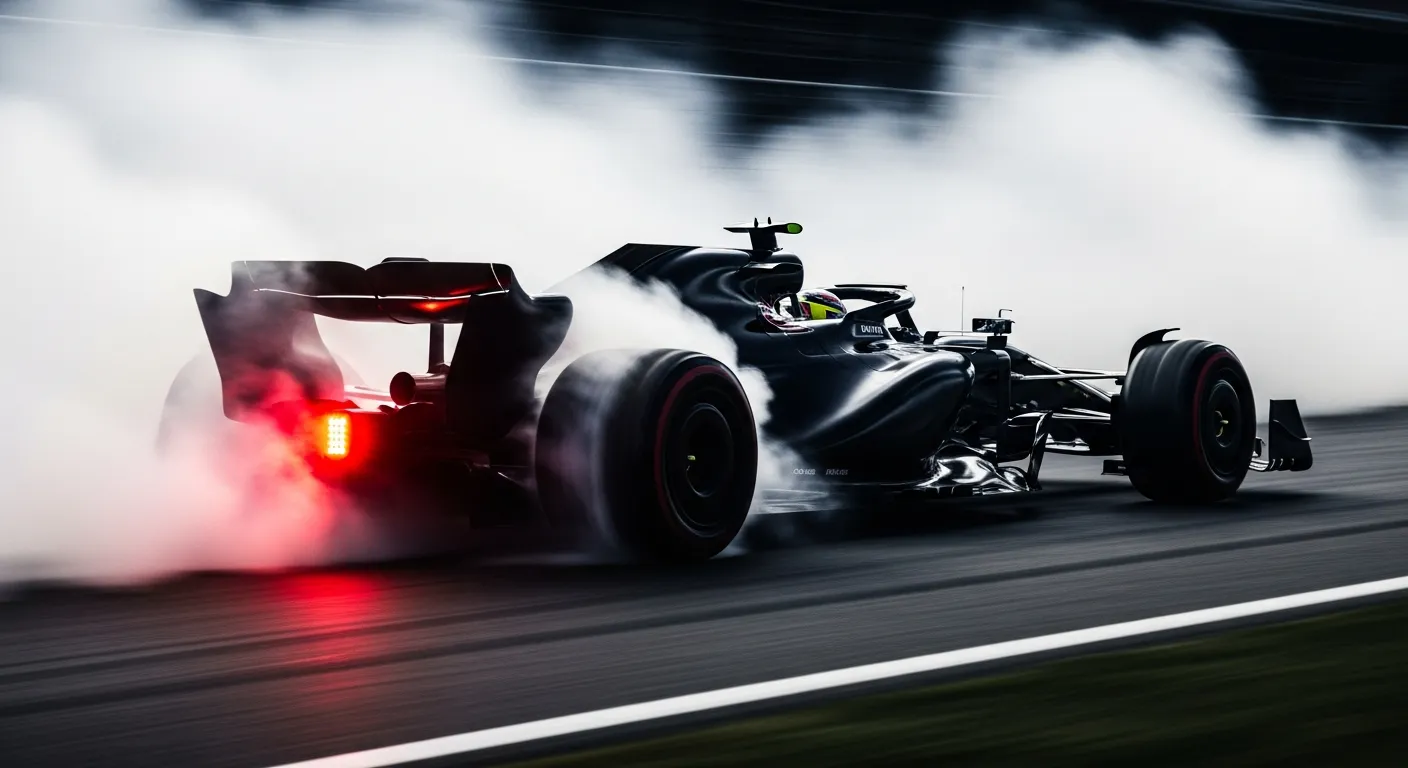
Max Verstappen's record at the Miami Grand Prix is a study in early mastery followed by the evolving challenges of a relatively new street circuit, demonstrating his capacity to extract peak performance even as the track characteristics and competitive landscape shift.
From his five appearances at the Miami International Autodrome, Verstappen has secured two wins and three podium finishes. His inaugural victory in 2022 saw him start from third on the grid, quickly asserting control. The 2023 race was perhaps even more indicative of his raw pace and strategic acumen; after a challenging qualifying session placed him ninth, he delivered a remarkable recovery drive to claim victory. These early successes underscored his ability to manage tire degradation and exploit the high-speed sections of the circuit, often making decisive overtakes. This kind of adaptability on a new venue can be compared to the challenges faced by drivers like Gabriel Bortoleto at the Bahrain Grand Prix as they learn the nuances of a circuit.
While his initial outings were dominant, the subsequent seasons have presented a different picture. In 2024, despite starting from pole, Verstappen finished second, adding another podium but missing the top step. The 2025 and 2026 seasons saw him finish fourth and fifth respectively, both times starting from the front row. This trajectory suggests that as the circuit's asphalt matures and teams gather more data, the competitive margins tighten. The Miami circuit, with its unique blend of fast straights and slower, technical sections, demands a precise setup that balances straight-line speed with aerodynamic grip through the tighter turns, a balance that can be difficult to maintain across different car generations and tire compounds. For a broader understanding of how Formula 1 circuits evolve, the Wikipedia: Formula One page offers historical context.
Verstappen's driving style, characterized by his aggressive yet controlled approach, particularly shines on circuits that reward precision and quick changes of direction. The challenging nature of a street circuit like Miami, where track evolution is a significant factor throughout the weekend, often plays into his hands. His capacity to find grip where others struggle, especially on a surface that can be notoriously slippery off-line, has been a hallmark of his career. However, the increasing competitiveness, as reflected in the Jolpica/Ergast — 2026 season data for Miami, indicates that even a driver of Verstappen's caliber must continually adapt. This constant adaptation is a core theme in F1, much like how drivers approach other challenging street circuits, such as Nico Hülkenberg at the Abu Dhabi Grand Prix on the modified Yas Marina layout.
The Miami Grand Prix remains a significant event on the Formula 1 calendar, and Verstappen's performances there offer valuable insights into his ongoing battle for supremacy. His ability to overcome adversity, as seen in his 2023 charge, underscores his formidable presence. Yet, the more recent results highlight that even the most dominant drivers face evolving challenges, requiring continuous optimization of both car and driving technique. The pursuit of perfection on every track, from purpose-built circuits to temporary street layouts, is what defines the FIA — F1 World Championship.