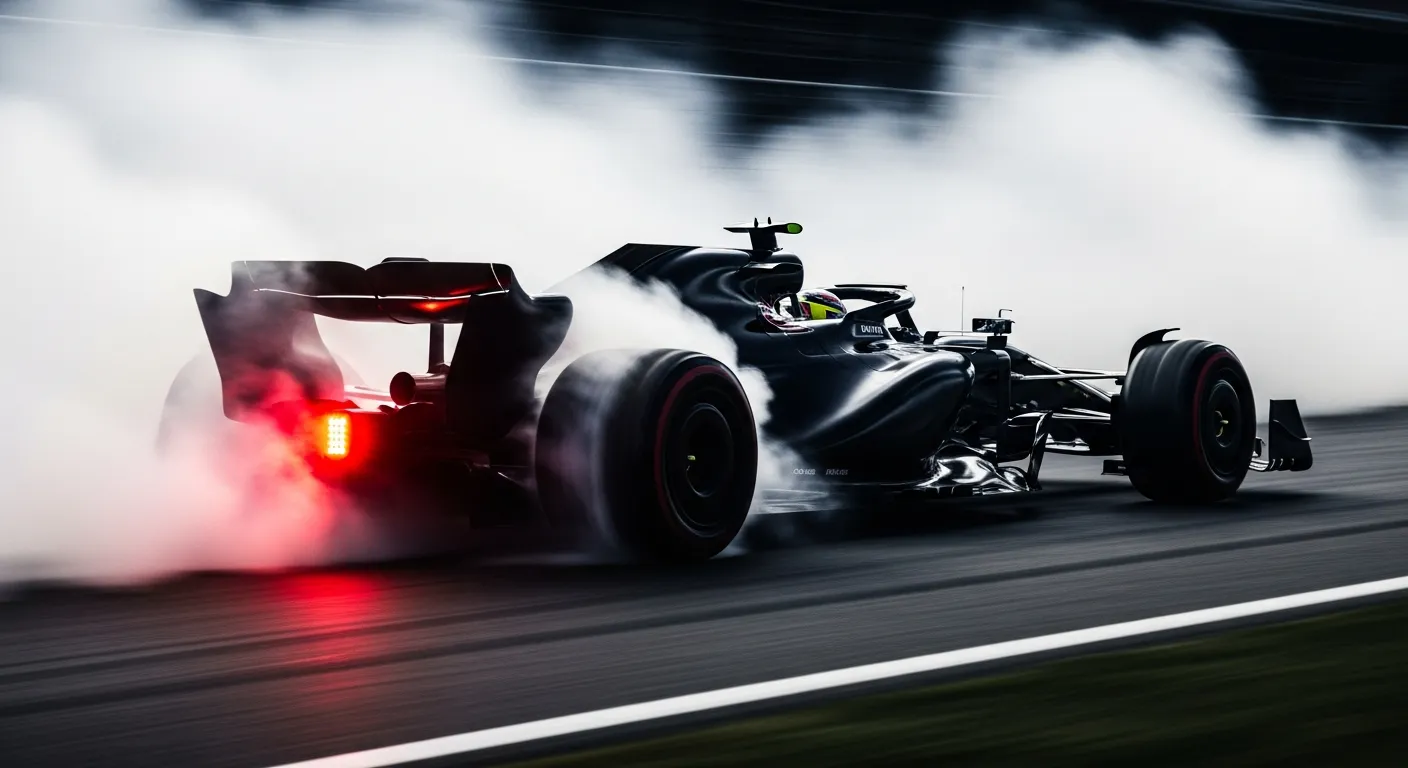
Nico Hülkenberg's career at the Austrian Grand Prix has been characterized by a recurring theme: promising qualifying performances often give way to challenging race results, reflecting both the circuit's demands and the machinery available to him. Across his 9 starts at the Red Bull Ring, Hülkenberg has yet to secure a win or a podium, with his best finish being a 6th place in 2015. This particular circuit, with its short lap, high-speed sections, and significant elevation changes, can be a demanding test for both driver and car.
His initial appearances with Force India showcased his ability to extract solid qualifying pace. In 2015, Hülkenberg started from 5th on the grid and converted that into his best finish of 6th, demonstrating a strong race craft that day. The following year, 2016, saw a truly remarkable qualifying effort where he started from 2nd position, a career-best grid slot at the time. However, race day proved less forgiving, as a brake issue forced his retirement, marking one of his two DNFs at the circuit. These early years hinted at a potential that, for various reasons, didn't consistently translate into top-tier results at Spielberg.
The shift to Renault and later Haas brought continued efforts but often without the desired points. From 2017 to 2019, Hülkenberg's finishes were outside the points, battling midfield machinery that struggled to maintain pace over a full race distance on this specific layout. The 2018 and 2023 races both ended in engine-related retirements, underscoring the mechanical stress the Red Bull Ring places on power units, particularly through its uphill sections and heavy braking zones. For more on the technical challenges faced by teams, the FIA — F1 World Championship provides detailed regulations.
His return to the Austrian Grand Prix in 2024 with Haas marked a significant upturn, securing another 6th place finish from a 9th-place grid start. This performance with the Haas car, known for its qualifying strength, highlighted Hülkenberg's consistent ability to maximize opportunities when the machinery allows. Looking ahead to 2025 with Kick Sauber, the challenge will be to maintain or build upon such results, particularly as the team aims for greater consistency. Comparing his consistent midfield presence to emerging talents like Gabriel Bortoleto at the Spanish Grand Prix offers a perspective on the different career trajectories in F1. The data from Jolpica/Ergast — 2026 season data will be crucial for tracking his future performances.
Nico Hülkenberg's journey at the Red Bull Ring is a microcosm of his F1 career: flashes of genuine speed and strong qualifying, often followed by the realities of midfield competition or reliability woes. As F1 continues to evolve, understanding the nuances of driver performance at specific tracks like Spielberg remains key to appreciating the sport's depth, a topic often explored in broader contexts like Wikipedia: Formula One. His upcoming appearance with Kick Sauber will be another chapter in this ongoing narrative, with fans keen to see if his experience can translate into consistent points on this unique permanent circuit. For general news and updates, the Formula 1 — official site is always a good resource, and you can compare his performance to other drivers like Gabriel Bortoleto at the Austrian Grand Prix to see how different styles adapt to the circuit. Another interesting comparison point could be Gabriel Bortoleto at the British Grand Prix, given both are high-speed permanent circuits.