Track record
Source: Jolpica F1 API- Starts
- 1
- Wins
- 0
- Podiums
- 0
- Best finish
- P4
- DNFs
- 0
- Points
- 12
Every appearance
| Year | Team | Grid | Finish | Pts |
|---|---|---|---|---|
| 2025 | Haas F1 Team | P9 |
Driver × Circuit · permanent
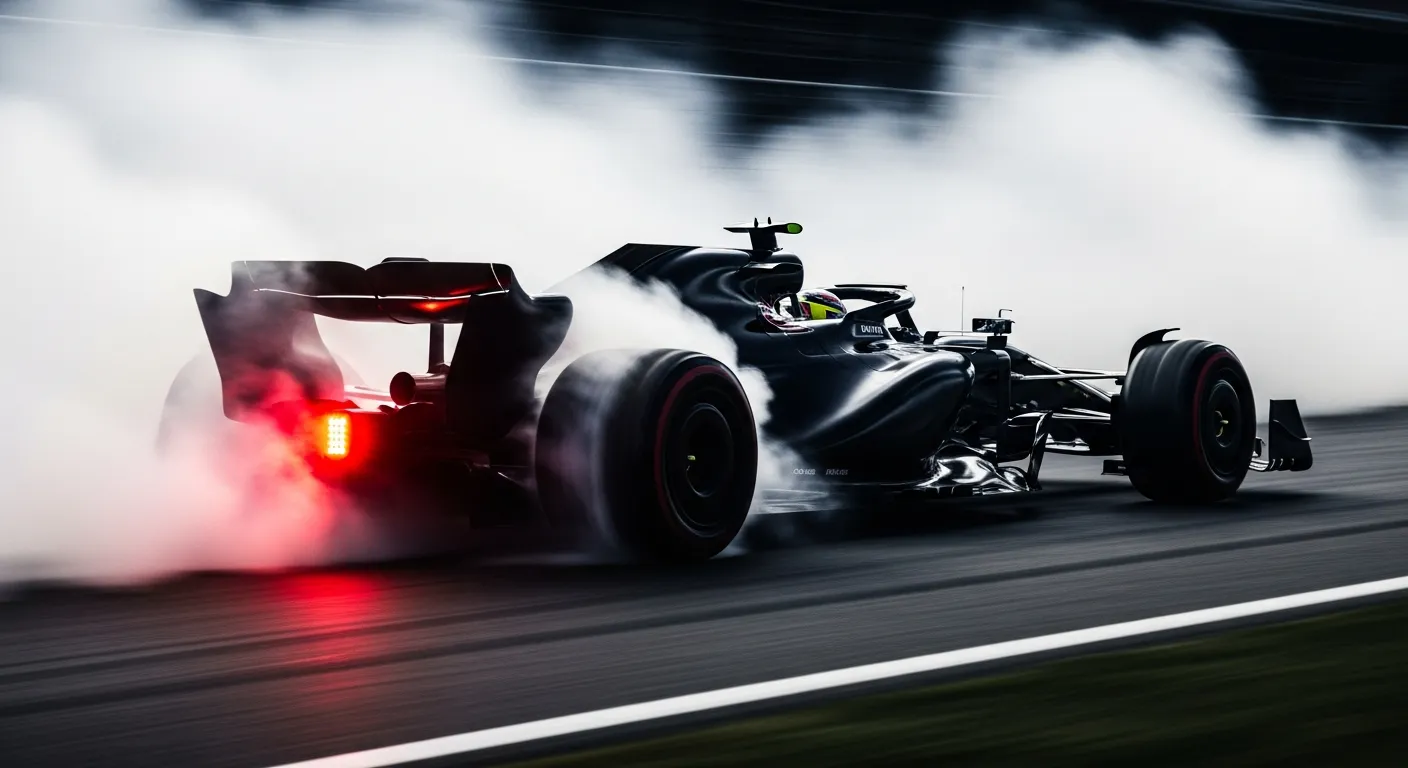
Oliver Bearman's single appearance at the Mexico City Grand Prix saw him secure a strong 4th place finish for Haas, marking his best result at this high-altitude circuit.
| Year | Team | Grid | Finish | Pts |
|---|---|---|---|---|
| 2025 | Haas F1 Team | P9 |
| P4 |
| 12 |
Oliver Bearman's single outing at the Mexico City Grand Prix in 2025 stands as a significant marker in his early Formula 1 career, delivering his best finish at the circuit with a P4 for Haas. The Autódromo Hermanos Rodríguez presents a unique challenge, primarily due to its high altitude, which significantly impacts engine performance and aerodynamic efficiency. Bearman's ability to navigate these conditions, particularly in his debut appearance at the circuit, speaks to a foundational adaptability. His grid position of 9th and subsequent climb to 4th suggests a strategic race drive and effective tire management, crucial on a circuit known for its abrasive surface and complex low-speed sections. This performance, securing 12 points, demonstrates a capacity to extract performance under demanding circumstances, a trait that bodes well for his future prospects in the sport.
The permanent nature of the Mexico City circuit, combined with its unique atmospheric conditions, demands a car setup that balances downforce for the stadium section with straight-line speed on the long main straight. For a driver like Bearman, who has shown a methodical approach in junior categories, adapting to the nuanced braking zones and traction demands here is key. The circuit's characteristics, including heavy braking into Turn 1 and the stadium's tight corners, require precise car placement and throttle control. Bearman's P4 finish indicates he managed these aspects effectively, suggesting a strong understanding of how to manage tire degradation and maintain pace throughout a race distance. Comparing this to other challenging circuits, one might look at how Pierre Gasly at the Qatar Grand Prix has adapted to high-stress, high-grip environments, or even Jack Doohan at the Bahrain Grand Prix on a circuit with different, but equally demanding, technical sections.
Bearman's performance in Mexico City highlights a driver who can perform under pressure and adapt quickly to unfamiliar conditions. His single start, 0 wins, and 0 podiums at this venue, with a best finish of 4th in 2025, showcases a promising debut rather than a dominant record. The 12 points he scored are a testament to his immediate impact. Haas, as a team, would have been particularly pleased with such a strong points haul, especially given the competitive nature of the midfield. This result, logged in the official Formula 1 — official site records, underscores his potential. Further analysis of his performance data, available through resources like Jolpica/Ergast — 2026 season data, would likely reveal strengths in specific sectors or under particular tire compounds, offering insights into his adaptability.
The Mexico City Grand Prix often sees varied strategies due to tire wear and the potential for safety cars. Bearman's ability to convert a mid-grid start into a top-five finish suggests a driver capable of executing race plans and capitalizing on opportunities. This kind of performance is vital for a team like Haas, aiming to maximize every points-scoring chance. The high-altitude environment also tests driver endurance and concentration, and Bearman's strong finish indicates his physical and mental preparedness. His performance here could be seen as a benchmark for future appearances at similarly demanding circuits, much like how Jack Doohan at the Japanese Grand Prix might approach a technically complex track. The broader context of Formula 1 regulations and technical specifications, as outlined by the FIA — F1 World Championship, also plays a role in how teams and drivers approach such unique venues. Understanding the historical context and evolution of the sport, as detailed on Wikipedia: Formula One, further enriches the appreciation of such performances.