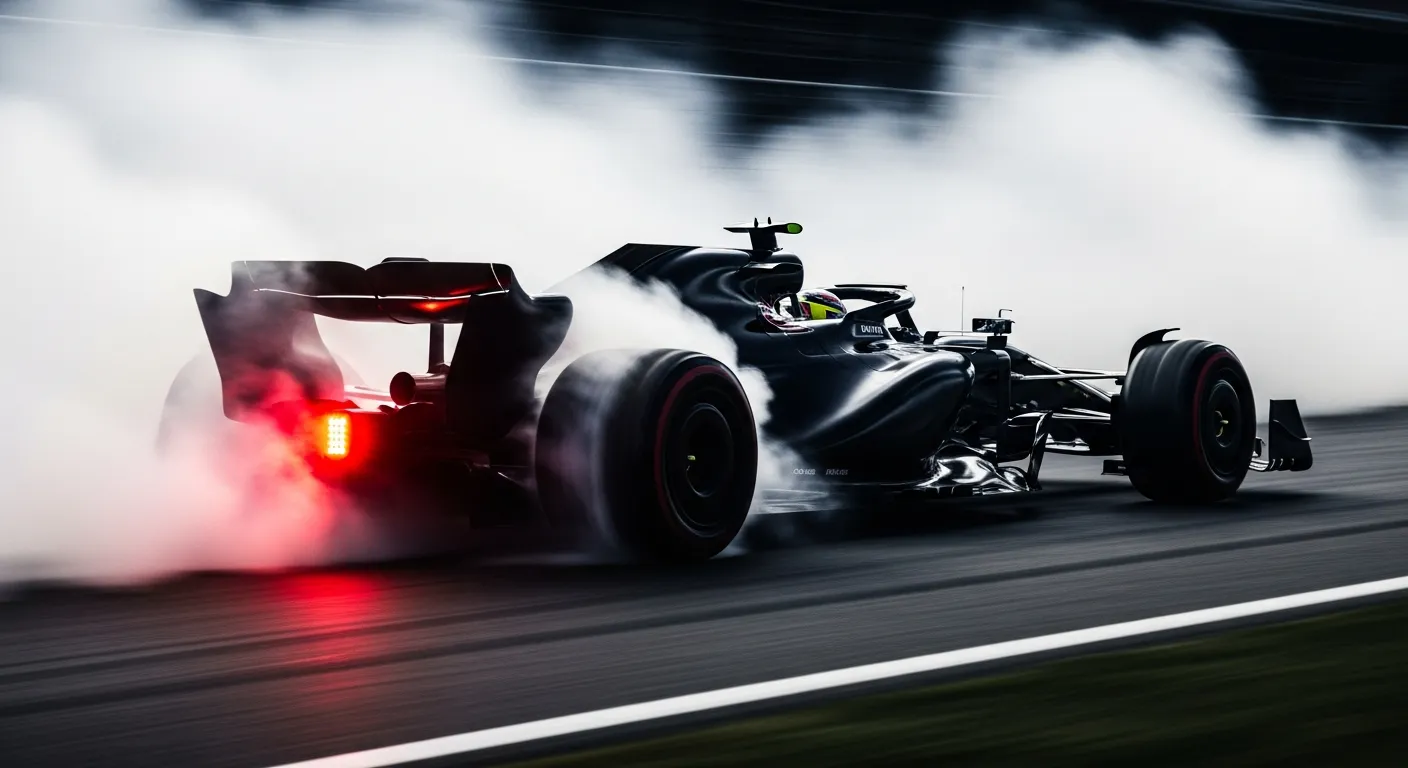
Pierre Gasly's record at the Miami Grand Prix reflects a challenging adaptation to the street circuit's demands, marked by flashes of qualifying potential alongside race-day incidents and inconsistent points finishes. Across his five starts at the Miami International Autodrome, Gasly has yet to secure a win or a podium, with his best finish being P8 in 2023, which remains his only points-scoring appearance at this venue. His debut in 2022, driving for AlphaTauri, saw him qualify a respectable P7, only for his race to end prematurely due to suspension damage, underscoring the unforgiving nature of the circuit's temporary barriers and close-quarters racing. For more on the official F1 calendar and race results, consult the Formula 1 — official site.
His move to Alpine in 2023 brought a notable improvement in qualifying, starting P5, which he converted into that P8 finish and four championship points. This performance stands as a high point, demonstrating his ability to extract performance on a track that blends high-speed sections with technical, tight corners. However, consistency has been a hurdle. The 2024 race saw him qualify and finish P12, unable to break into the points, and the data for 2025 and 2026 indicates continued struggles, with a P13 finish and another DNF due to a collision. Such incidents highlight the fine margins on street circuits, a characteristic also seen at tracks like Isack Hadjar at the Monaco Grand Prix.
Gasly's driving style, often characterized by aggressive braking and a commitment to corner entry, can be both an asset and a liability on a circuit like Miami. While it allows for strong qualifying laps when everything aligns, it also increases the risk of contact or mechanical stress, as evidenced by his two DNFs. The circuit's varied layout, with its long straights and tight, slow-speed sections, demands a car that is both aerodynamically efficient and stable under braking. Understanding the nuances of these circuits is key for any driver, much like the challenges faced at more traditional tracks such as Isack Hadjar at the Spanish Grand Prix.
The Alpine package has, at times, struggled to find a consistent sweet spot across different track types, which impacts Gasly's ability to maximize his potential. The data, including projected results for upcoming seasons, provides a clear picture of his journey at Miami, showing a pattern of strong individual moments interspersed with frustrating outcomes. For a broader understanding of Formula One's historical data and future projections, resources like Jolpica/Ergast — 2026 season data are invaluable. The challenge for Gasly and Alpine at Miami will be to minimize errors and capitalize on any opportunities, a task not dissimilar to the demands of other semi-street circuits like Isack Hadjar at the Canadian Grand Prix.
Ultimately, Gasly's Miami record underscores the competitive and demanding nature of modern Formula 1, where a driver's skill must perfectly align with the car's capabilities and the unique characteristics of each circuit. For general information on the sport's history and regulations, Wikipedia: Formula One offers a comprehensive overview.