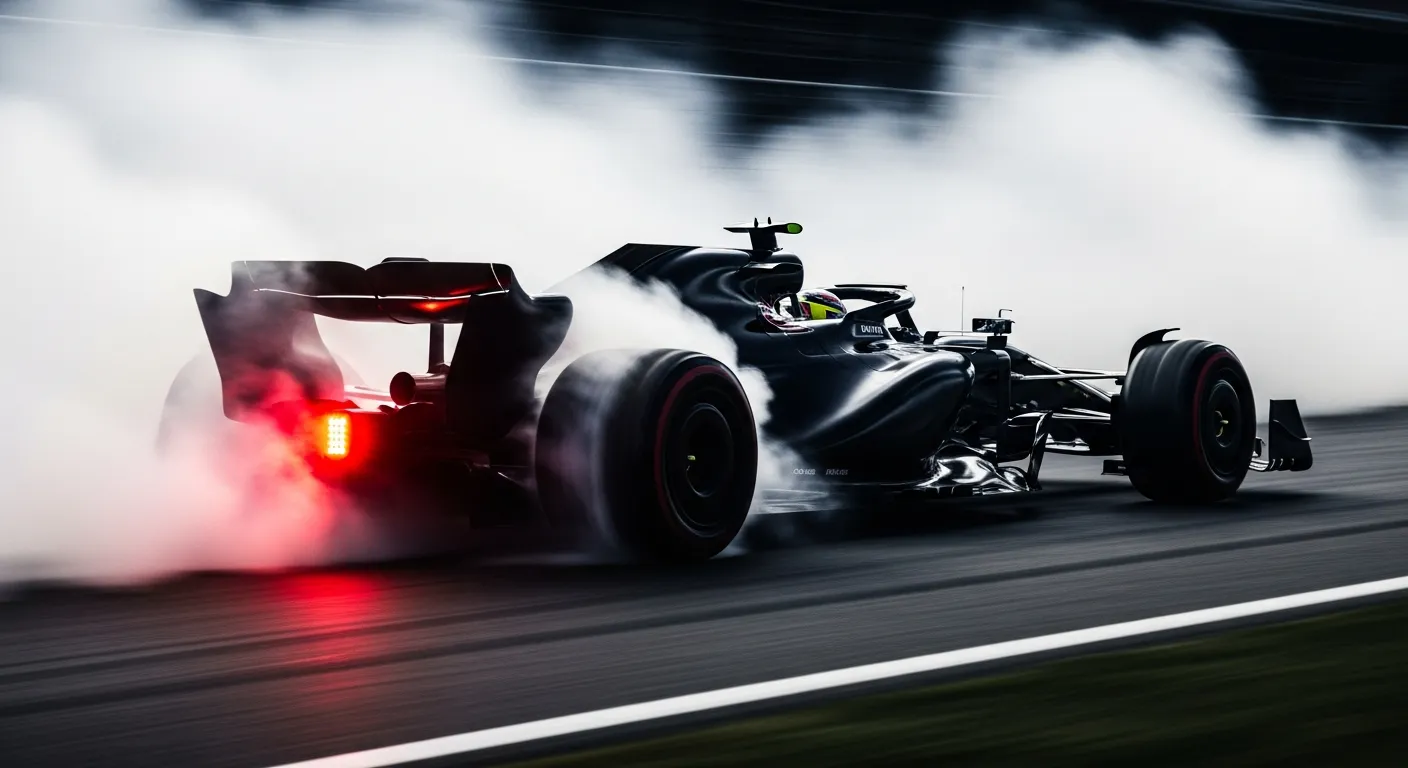
Pierre Gasly's history at the Chinese Grand Prix, a permanent fixture on the Formula 1 calendar, is a study in adaptation across varying machinery and team dynamics. With five starts at the Shanghai International Circuit, Gasly has yet to secure a win or a podium, but his record includes two notable sixth-place finishes. His debut in 2018 with Scuderia Toro Rosso saw him finish 18th, a reflection of the car's competitive position that season. However, his subsequent appearance in 2019, driving for Red Bull Racing, marked a significant step forward, securing his first points at Shanghai with a sixth-place finish from a sixth-place grid start. This performance underscored his capability when provided with a front-running car, navigating the circuit's unique blend of high-speed straights and intricate, decreasing-radius corners. The Shanghai layout, with its iconic Turn 1-4 "snail" and the demanding Turn 13-14 complex, requires a precise and adaptable driving style, characteristics that Gasly has often demonstrated throughout his career.
The intervening years saw the Chinese Grand Prix absent from the calendar, a hiatus that added another layer of challenge upon its return. Gasly's subsequent appearances with Alpine in 2024, 2025, and 2026 painted a more complex picture. The 2024 race saw him finish 13th, reflecting Alpine's struggles to find consistent performance that season. The 2025 event was particularly frustrating, ending in a "Car underweight" status after qualifying 16th, an unusual DNF that prevented him from even starting the race effectively. This incident highlights the fine margins and technical scrutiny inherent in Formula 1 — official site competition. Despite these setbacks, Gasly demonstrated resilience, returning in 2026 to secure another sixth-place finish from a seventh-place grid slot, adding 8 points to his Shanghai tally. This consistency in securing points when the car allows, even after a challenging season, speaks to his underlying pace and ability to extract performance.
Shanghai's layout, designed by Hermann Tilke, is known for its heavy braking zones and long, sweeping corners that test both aerodynamic efficiency and tire degradation. For a driver like Gasly, who often thrives on a stable rear end and a responsive front axle, the circuit presents a nuanced challenge. The decreasing radius turns, particularly the opening complex, demand a delicate balance between aggression and precision. Gasly's ability to manage his tires through these long corners, a trait often crucial at circuits like Nico Hülkenberg at the Spanish Grand Prix, is vital for maintaining race pace. The long back straight, leading into the circuit's heaviest braking zone, also offers significant overtaking opportunities, requiring drivers to be confident under braking and adept at managing energy deployment. His 17 total points at this venue, accumulated across five starts, underscore his capacity to deliver solid results when the machinery is competitive, even if a podium has remained elusive.
Gasly's performances at Shanghai, particularly his two sixth-place finishes, indicate a capacity to perform well on permanent circuits that demand a broad range of car characteristics. While not a circuit where he has consistently dominated, his best results show he can extract maximum performance when the car is in its window. This adaptability is a hallmark of experienced drivers navigating the F1 calendar, much like how drivers approach the varied demands of circuits such as Nico Hülkenberg at the Canadian Grand Prix or Nico Hülkenberg at the British Grand Prix. The data from Jolpica/Ergast — 2026 season data confirms his consistent points-scoring ability in stronger cars. Understanding the broader context of Formula One's evolution helps appreciate the demands placed on drivers at such venues. Gasly's record at Shanghai is a testament to his persistent effort to find the limits, even when the car's inherent performance might not place him at the very front.