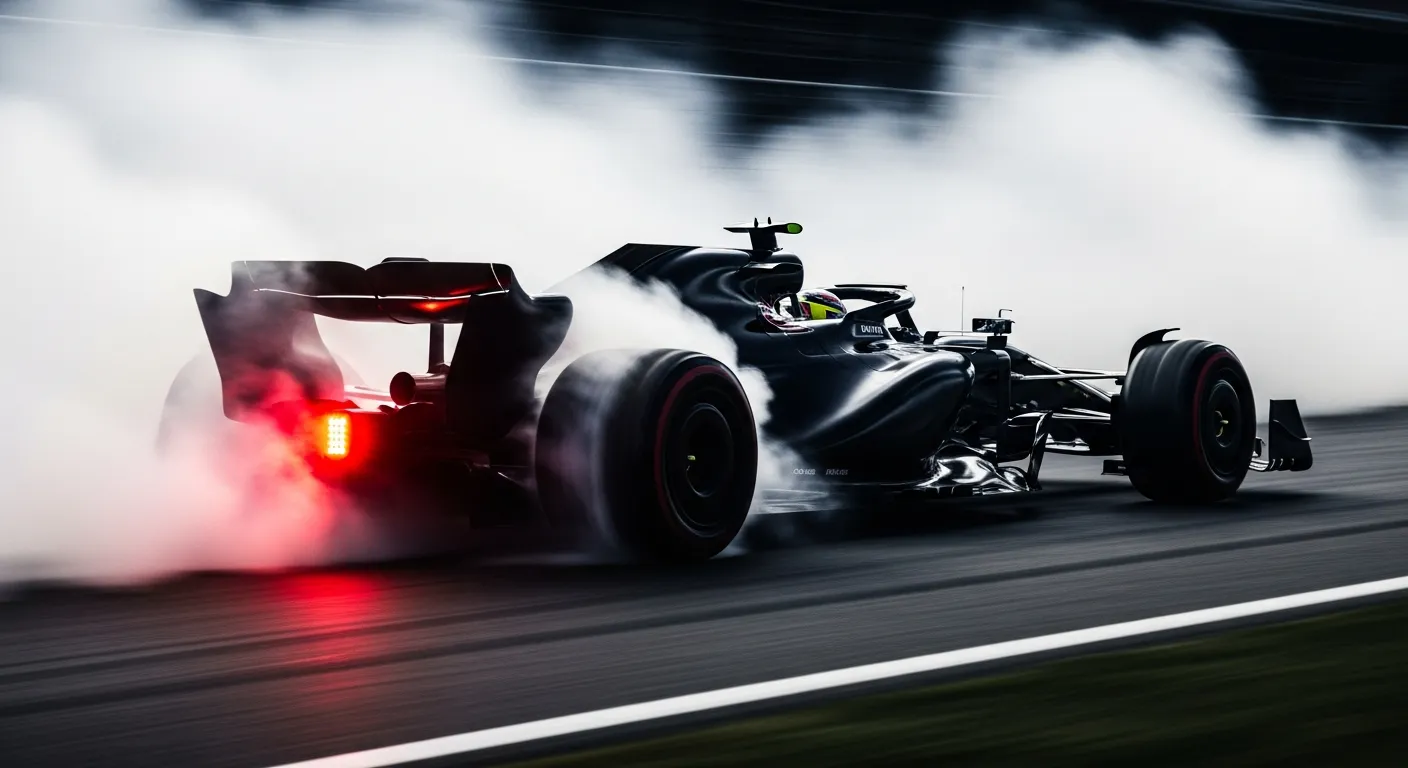
Pierre Gasly's journey at the Abu Dhabi Grand Prix, held at the permanent Yas Marina Circuit, illustrates a driver's adaptation and the fluctuating fortunes tied to machinery. Across nine starts, Gasly has yet to secure a win or a podium finish, but his record is far from static, peaking with a notable 5th place in 2021.
His initial appearances with Scuderia Toro Rosso from 2017 to 2019 were challenging. He finished 16th in his debut, suffered an engine-related DNF in 2018, and placed 18th in 2019. These early years at Yas Marina, a circuit that demands both high-speed efficiency and precision through its technical sectors, saw Gasly often battling outside the points-scoring positions. This period highlights the significant role car performance plays, especially at a venue like Abu Dhabi where outright pace can be crucial.
However, a clear shift occurred with AlphaTauri. In 2020, Gasly secured 8th place, followed by his best finish of 5th in 2021. These performances were a testament to his ability to extract maximum potential from the AlphaTauri package, demonstrating strong race craft and strategic execution. The 2021 race, in particular, showcased his command over the car on a circuit known for its evolving grip as the day-to-night transition occurs. Such adaptability is a hallmark of drivers who perform well at diverse tracks, much like how some drivers find their rhythm at circuits with distinct characteristics, such as Charles Leclerc at the Italian Grand Prix, where high-speed demands are paramount.
Since moving to Alpine, Gasly's results at Yas Marina have been more varied. A 14th place in 2022 with AlphaTauri was followed by a 13th in 2023 with Alpine, and a stronger 7th in 2024. The 2025 season saw him finish 19th. This mixed bag reflects the continuous development cycles within Formula 1, where team dynamics and car characteristics can profoundly impact individual driver performances. The Yas Marina circuit, with its blend of long straights and intricate corners, requires a well-balanced car to truly shine, and Gasly's ability to maximize what he has been given has been evident, particularly in his AlphaTauri years. For a deeper dive into F1 statistics and race results, the Jolpica/Ergast data provides comprehensive historical context.
Gasly's history at Abu Dhabi underscores the fine margins in Formula 1. His stronger performances often came when the car provided a stable platform, allowing him to push through the circuit's demanding sections. The track's modern permanent layout, which has undergone revisions to improve racing, still presents a significant challenge for tire management and aerodynamic efficiency. Understanding these nuances is key to appreciating a driver's performance, much like analyzing the specific demands of a street circuit for a driver like Charles Leclerc at the Azerbaijan Grand Prix. For general information on the sport, the Formula 1 official site is an excellent resource, while Wikipedia: Formula One offers encyclopedic detail on its history and regulations. His journey at Yas Marina is a microcosm of his career: moments of brilliance interspersed with periods of battling less competitive machinery, always pushing the limits of his package, much like another driver's consistent effort at a challenging venue like Charles Leclerc at the United States Grand Prix.
Read the full editorial