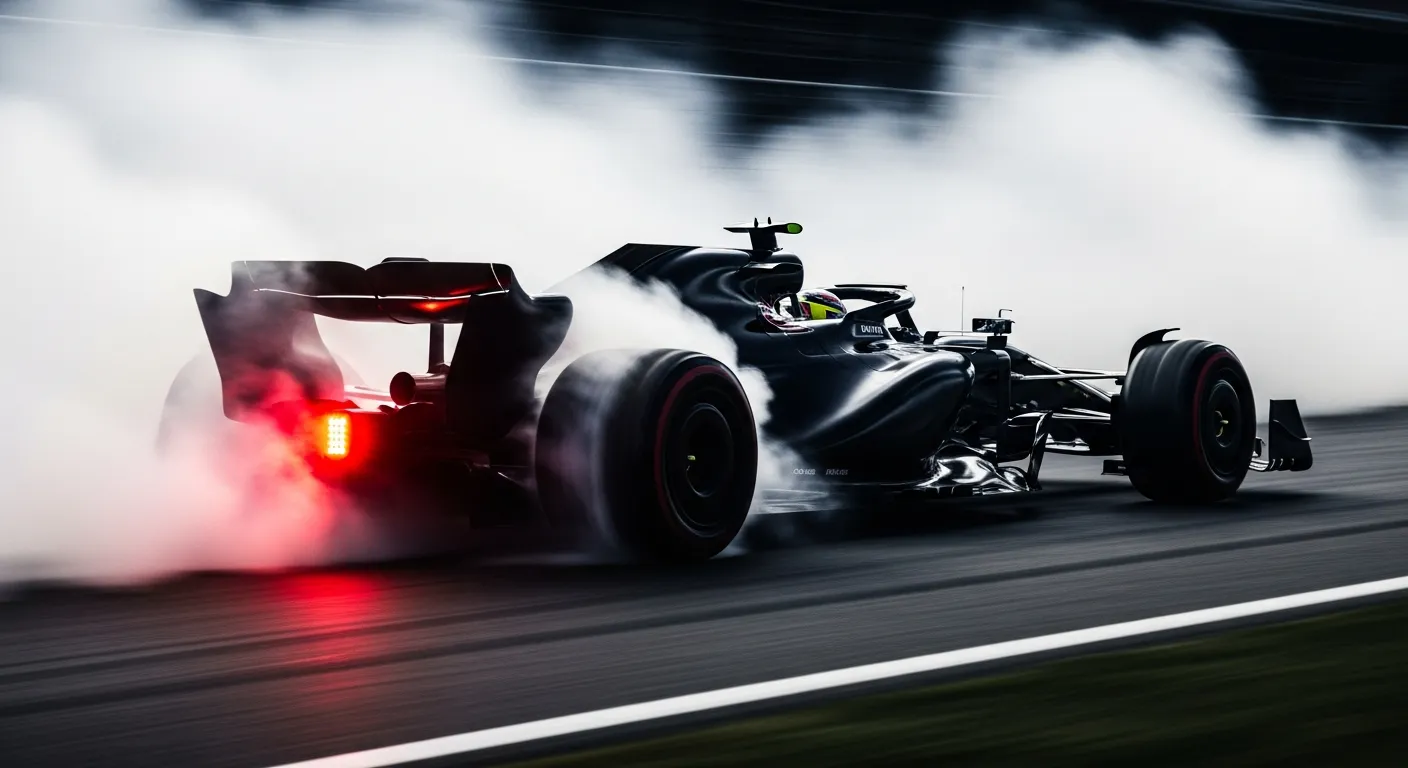
Yuki Tsunoda's tenure at the Hungarian Grand Prix presents a fascinating study in adapting to a highly technical, permanent circuit that demands both aggression and precise car placement. His debut at the Hungaroring in 2021 remains his strongest showing, where he secured a sixth-place finish and eight points, an impressive result for a rookie on a track known for its unforgiving nature. This performance hinted at a natural aptitude for circuits requiring intricate handling and quick changes of direction, aligning with the Hungaroring's reputation as a 'karting track for F1 cars'.
However, replicating that early success has proven challenging. In 2022, Tsunoda finished 19th, followed by a 15th-place finish in 2023. These results underscore the difficulties in consistently extracting performance from the car on a circuit where overtaking is notoriously difficult, making qualifying position paramount. The Hungaroring's continuous sequence of corners, particularly in the middle sector, places a premium on mechanical grip and driver rhythm. For a driver like Tsunoda, known for his assertive style, finding the balance between pushing the limits and preserving the tyres over a full race distance is a critical factor.
The 2024 season saw a return to points, with Tsunoda finishing ninth, adding two more points to his tally at this venue. This suggests an evolving understanding of the circuit and perhaps a car package better suited to its demands, offering a glimpse into the ongoing development of both driver and machine. The Hungaroring, much like the challenging layout of Lance Stroll at the Dutch Grand Prix, requires a driver to be fully committed through its numerous tight turns without compromising tyre life or track limits, a balance that Tsunoda has been working to master throughout his career in Formula 1. For a broader understanding of how such technical circuits fit into the F1 calendar, the Wikipedia: Formula One entry provides excellent context.
Unlike high-speed circuits such as Lance Stroll at the Italian Grand Prix, the Hungarian Grand Prix emphasizes downforce and chassis balance over raw engine power. This characteristic can sometimes level the playing field, allowing drivers to make a greater impact through their precision and ability to manage the car's energy through the corners. Tsunoda's total of 10 points across his five starts at this circuit, as detailed by Jolpica/Ergast — 2026 season data, reflects a mixed bag of results, with the standout 2021 performance highlighting his potential when everything aligns. The demands here are also distinct from the street circuit intricacies of Lance Stroll at the Singapore Grand Prix, which, while also high-downforce, presents different challenges in terms of barriers and surface changes. The official perspective on race operations and regulations can always be found on the Formula 1 — official site.
Ultimately, the Hungaroring remains a benchmark for driver skill and car setup. Tsunoda's journey here, marked by a strong initial impact followed by periods of struggle and recent resurgence, mirrors the often-unpredictable nature of midfield battles on such a demanding track. His ability to navigate the complex sections and maintain focus will always be key to his performance in Mogyoród.