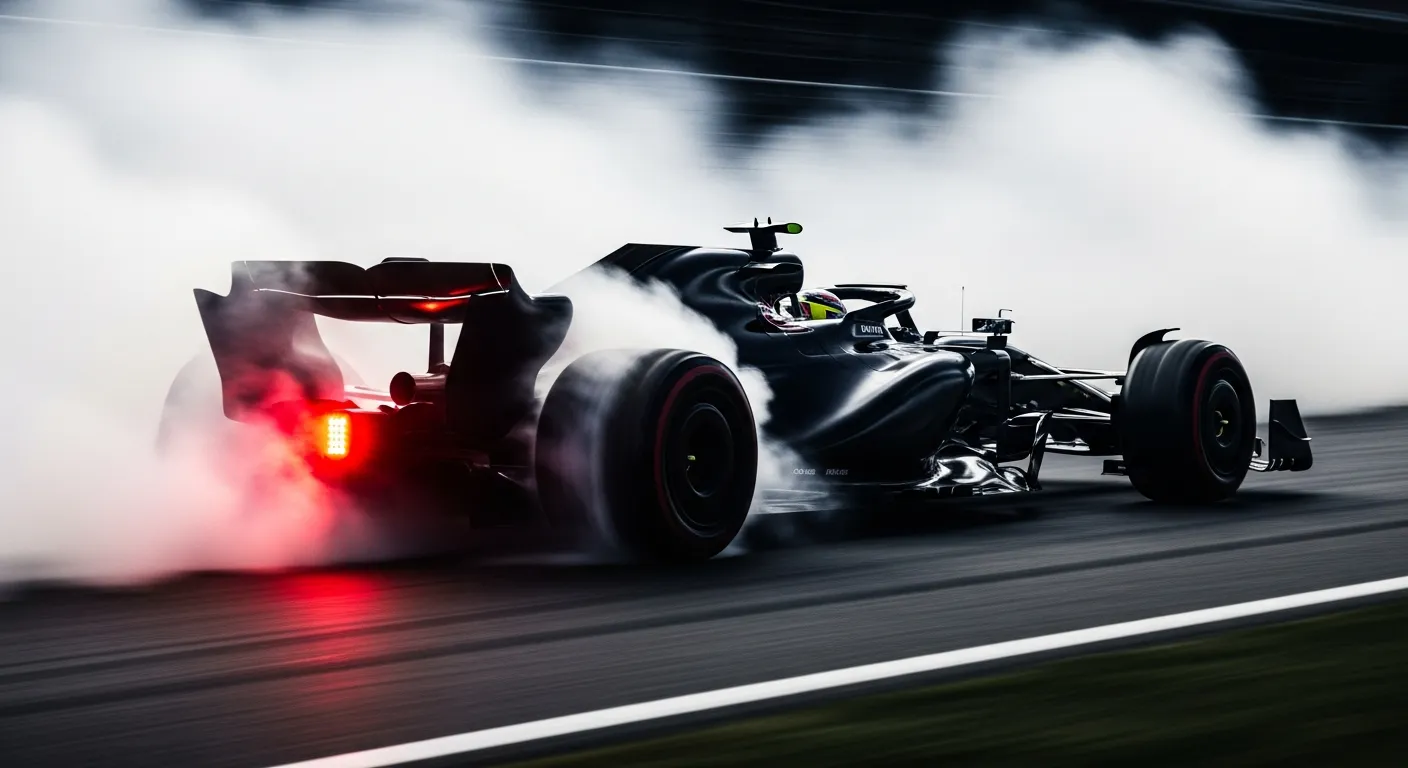
As F1 arrives in Miami for the first Sprint weekend of the season, McLaren and Williams debut massive upgrade packages. Meanwhile, the FIA and F1 leadership defend the 2026 regulations amid a record-breaking billion-pound TV deal.
As the Formula 1 paddock settles into the humid environment of the Miami International Autodrome for the fourth round of the 2026 season, the narrative has shifted from early-season speculation to a high-stakes engineering arms race. Miami represents more than just a glamour-heavy fixture; it is the first major 'reset' point of the year. With a Sprint weekend format and a five-week hiatus behind us, the grid that arrives in Florida looks fundamentally different from the one we saw in April.
The Technical Arms Race Hits High Gear
McLaren is the primary focus this weekend, introducing what team principal Andrea Stella describes as an entirely new upgrade package for the MCL38. Following the team’s successful history of mid-season transformations, this update is intended to refine the car's aerodynamic efficiency. However, they aren't developing in a vacuum. Red Bull, while downplaying claims that their power unit is the field's benchmark, has quietly rolled out its own refinements to maintain its narrow edge.
Lower down the order, the struggle for technical parity is even more pronounced. Williams has arrived with a staggering 500-part upgrade package, aiming to replicate their recent double-points success. Meanwhile, Aston Martin has successfully quelled its early-season vibration crisis, only to find itself battling new gearbox gremlins. In this era of the sport, the ability to manage these technical vulnerabilities—from engine integration to ERS energy management—is what separates the podium contenders from the midfield stragglers.
Data vs. Skepticism: The 2026 Regulatory Path
Away from the immediate heat of the Miami track, the FIA and Formula 1 leadership are doubling down on the sport's long-term direction. FIA single-seater director Nikolas Tombazis recently clarified that the upcoming 2026 technical regulations are a refinement of the current philosophy rather than a total overhaul. This 'evolution over revolution' approach is designed to keep the racing close without forcing teams to start from a completely blank sheet of paper.
F1 CEO Stefano Domenicali remains similarly bullish. Citing internal engagement metrics, Domenicali argues that fan satisfaction is at an all-time high, justifying the strategic evolution of the sport. This confidence is backed by tangible financial commitment: a new billion-pound TV deal with Sky Sports ensures that the commercial foundation of the championship remains rock-solid through the end of the decade. While some purists express skepticism over the power unit changes, the commercial and regulatory heads are moving forward with a unified front.
Daily Brief
Get tomorrow's analysis in your inbox.
One email a day, ahead of every session.
Get updates from The F1 Formula
Subscribe to receive the latest content delivered to your inbox.
By subscribing, you agree to receive daily F1 news and updates from The F1 Formula. No spam. Unsubscribe anytime. Privacy Policy