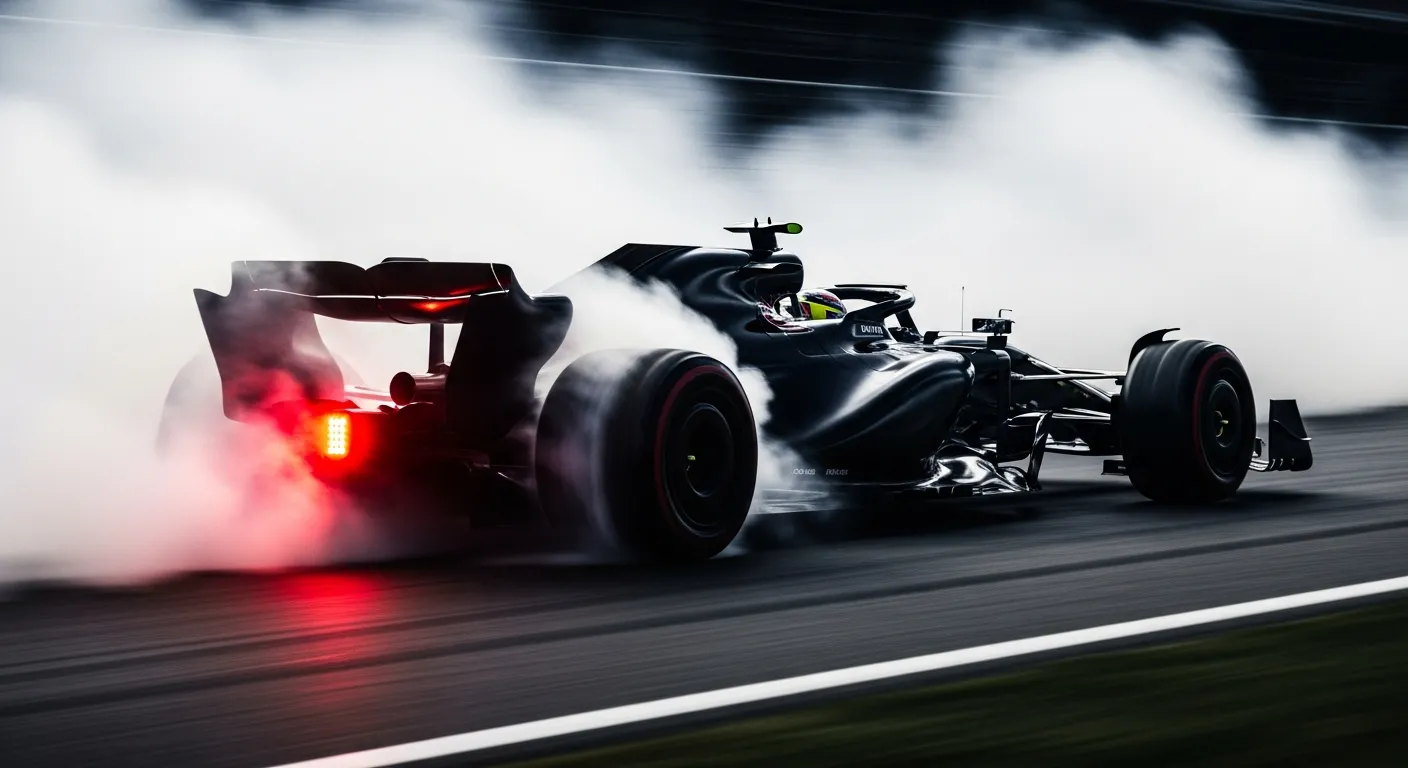
Lewis Hamilton's 2015 Hungarian Grand Prix was a stark deviation from his dominant form, seeing him fall from pole position to a sixth-place finish. Starting from the front of the grid, the Mercedes AMG F1 driver encountered immediate challenges, losing positions in the opening stages of the race. The Hungaroring circuit, known for its tight and technical layout, often presents unique strategic demands, and this event on July 26, 2015, proved no exception. While Hamilton pushed to recover, the race unfolded with a series of incidents, creating a dynamic field. For context on how other drivers navigate such conditions, one might review performances like [George Russell at the 2019 Belgian Grand Prix](/results/2019-spa-francorchamps-george-russell), where race day circumstances significantly altered expected outcomes. Even drivers like [Lance Stroll at the 2019 Belgian Grand Prix](/results/2019-spa-francorchamps-lance-stroll) have experienced how quickly fortunes can change in Formula 1. The overall race pace for Hamilton was competitive, as evidenced by his fastest lap on lap 68, which ranked third overall with a time of 1:25.727, suggesting underlying car performance was present despite the final result.
Despite the strong qualifying pace that placed him first on the grid, Hamilton completed the 69 laps with a total time of 1:47:02.010, ultimately securing 8 points. His teammate, Nico Rosberg, who started second, also faced difficulties, finishing eighth with 4 points. This outcome for both Mercedes cars highlighted the unpredictable nature of the 2015 Hungarian Grand Prix, where Sebastian Vettel claimed victory for Ferrari. Such races underscore the intricate balance of driver skill, car setup, and race strategy that defines [Formula 1 — official site](https://www.formula1.com/en) competition. Understanding the broader context of these events requires consulting comprehensive [historical F1 race data](https://api.jolpi.ca/ergast/f1/2026.json), which reveals how grid positions translate into final standings across different seasons. The challenges faced by front-runners can sometimes open opportunities for others, a pattern seen in races where drivers like [Alexander Albon at the 2019 Belgian Grand Prix](/results/2019-spa-francorchamps-alex-albon) have capitalized on unfolding events to make significant gains. This particular race served as a reminder that even championship leaders can encounter weekends where the pieces do not align, a common theme in the demanding world of [Formula One](https://en.wikipedia.org/wiki/Formula_One).
Verified race record · Ergast