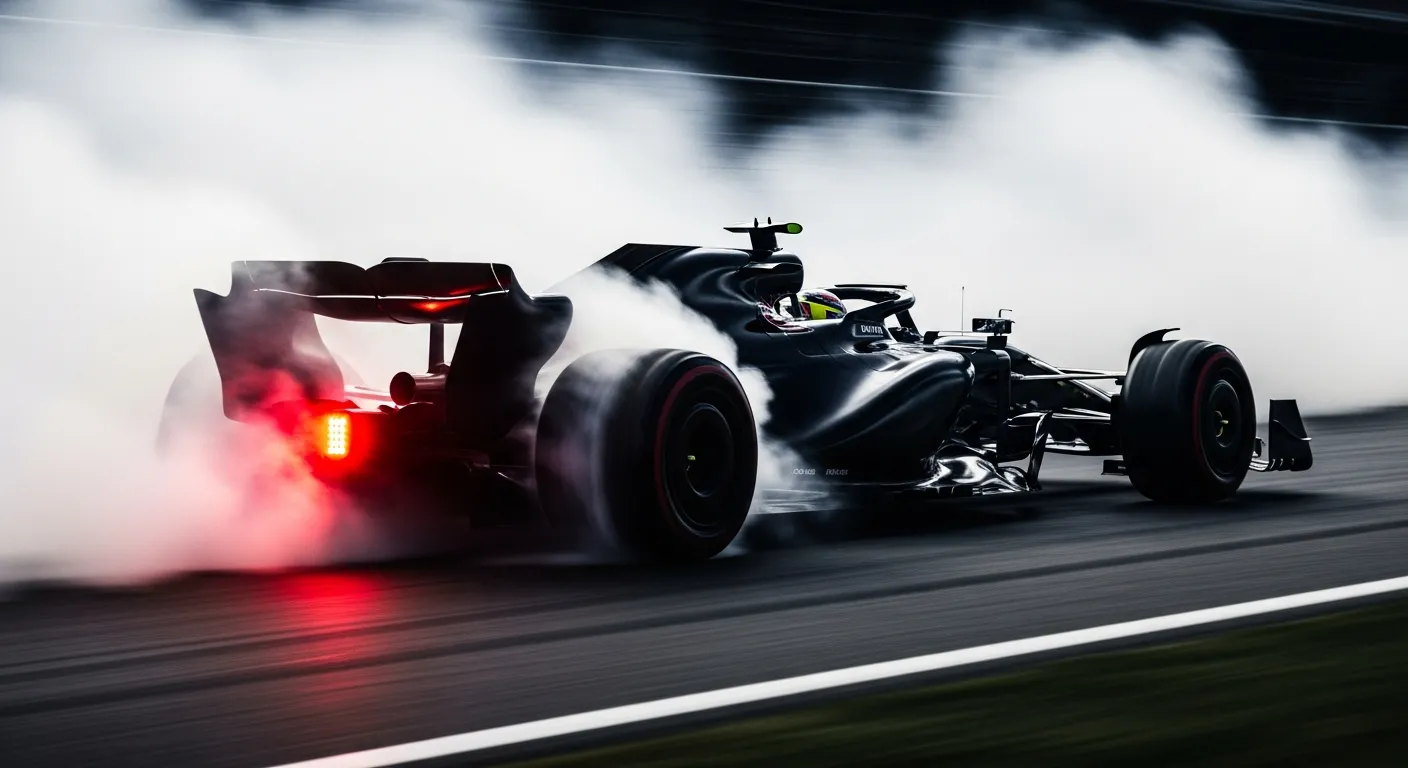
Nico Hülkenberg's 2015 Hungarian Grand Prix concluded prematurely on lap 41, a front wing failure ending his race after a promising start from 11th on the grid. The Force India F1 Team driver had been navigating the challenging Hungaroring circuit, a track known for its technical demands and limited overtaking opportunities that often reward strategic execution and robust car performance. From his P11 starting position, Hülkenberg aimed to capitalize on any early race chaos or capitalize on pit stop strategies to climb into the points-paying positions. He demonstrated competitive pace throughout his stint, notably recording his fastest lap of "1:28.074" on lap 38, which ranked him 13th overall among all drivers at that point. This indicated a period of strong performance and potential for advancement before the mechanical issue manifested.
The sudden and critical failure of the front wing forced Hülkenberg to return to the pits, and with the damage deemed irreparable for continued competition, he was ultimately forced to retire from the race. This incident marked a significant setback for the Force India squad, particularly as it contributed to a challenging day for the team. His teammate, Sergio Pérez, also failed to finish the race, retiring on lap 53 due to a separate brakes issue. Such mechanical reliability challenges underscore the intense engineering scrutiny under which Formula 1 teams operate, a constant battle for performance and durability that defines [Formula 1 — official site](https://www.formula1.com/en) racing. For drivers like Hülkenberg, who consistently push the limits, understanding the nuances of car setup and durability is paramount, a skill set that continues to evolve, as seen with drivers in later seasons, such as [Nico Hülkenberg at the 2025 Miami Grand Prix](/results/2025-miami-nico-hulkenberg). The 2015 season, documented extensively in historical records and data, including comprehensive [Wikipedia: Formula One](https://en.wikipedia.org/wiki/Formula_One) entries, saw numerous technical battles where reliability often proved as crucial as raw pace. While Sebastian Vettel secured a hard-fought victory for Ferrari, the midfield battle, where Force India often found itself, was frequently decided by the ability to keep the car running to the checkered flag. The detailed performance data from the 2015 season, and indeed future seasons as captured by resources like [Jolpica/Ergast — 2026 season data](https://api.jolpi.ca/ergast/f1/2026.json), provides a granular view of these trends in both performance and reliability. This DNF meant Hülkenberg scored no points, a missed opportunity in a season where every point was crucial for Force India's championship standing. The unpredictable nature of racing, where mechanical failures can halt even strong performances, remains a core element of the sport, influencing outcomes for drivers from seasoned veterans to emerging talents like [Yuki Tsunoda at the 2025 Miami Grand Prix](/results/2025-miami-yuki-tsunoda) or [Max Verstappen at the 2025 Emilia Romagna Grand Prix](/results/2025-imola-max-verstappen) in their respective eras. The retirement on lap 41, just over halfway through the 69-lap event, was a stark reminder of the fine margins in F1.