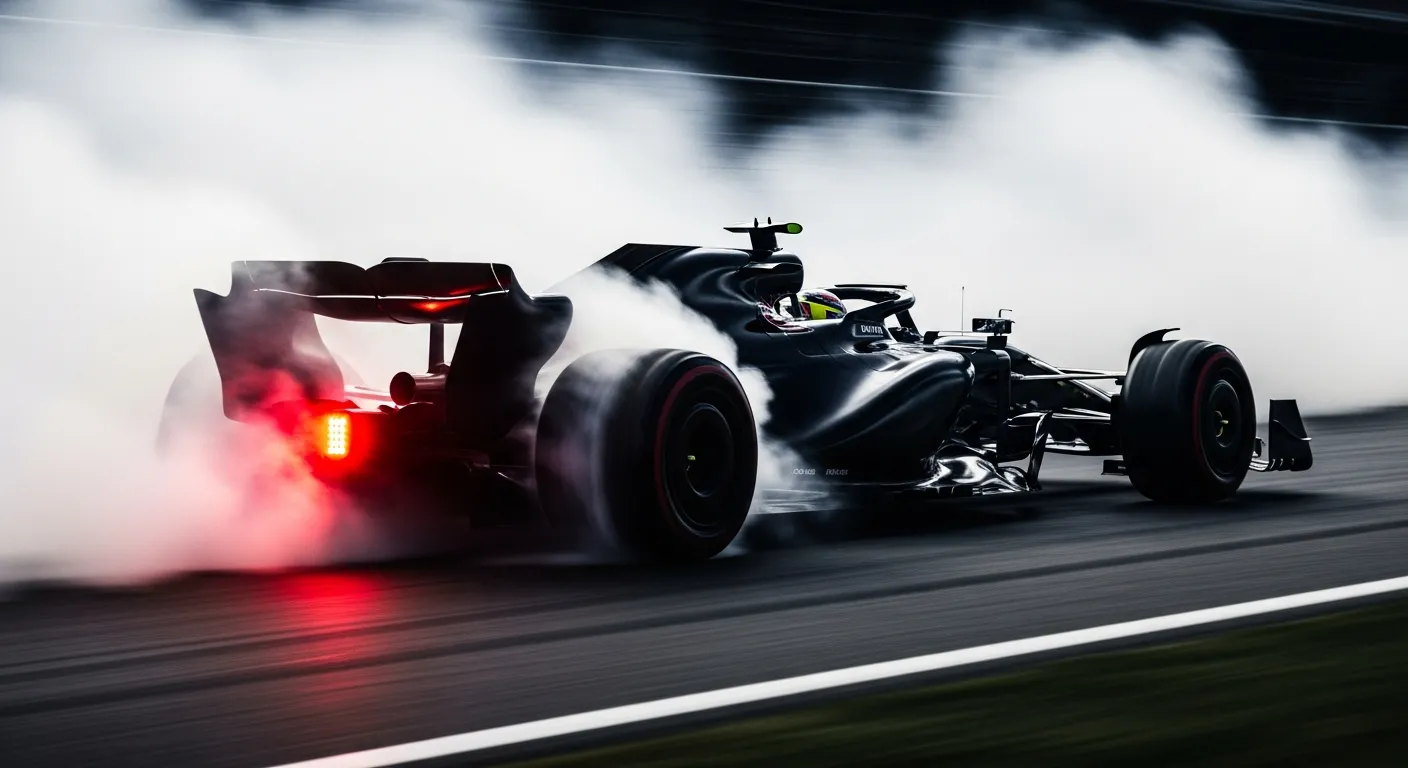
Carlos Sainz's outing at the 2015 Brazilian Grand Prix, held at the historic Autódromo José Carlos Pace on November 15, 2015, was cut short before it truly began. Starting from a respectable 10th position on the grid, the Spanish driver, representing Toro Rosso, was unfortunately recorded as "Retired" without completing a single lap. This immediate cessation of his race meant he registered 0 laps and, consequently, 0 points for the event. The incident stood in stark contrast to his teammate, Max Verstappen, also driving for Toro Rosso, who managed to convert his 9th-place grid start into a 9th-place finish, securing 2 points after completing 70 laps. Such an early exit for Sainz meant a missed opportunity to build on his rookie season's momentum at a challenging circuit, where the Mercedes of Nico Rosberg ultimately claimed victory, finishing ahead of Lewis Hamilton and Sebastian Vettel's Ferrari. Fans can delve deeper into the intricacies of Formula 1 racing and its rich history by exploring the [official Formula 1 site](https://www.formula1.com/en).
The 2015 season was a period of intense development for many drivers, including Sainz, as they navigated the demanding technical regulations of the era. While this particular race offered no data points for his performance, the broader context of the [FIA Formula One World Championship](https://www.fia.com/events/fia-formula-one-world-championship) highlights the unforgiving nature of the sport, where even a strong qualifying effort can be undone by an unforeseen race-start issue. The Interlagos circuit, known for its undulating layout and passionate Brazilian crowd, has historically been a stage for dramatic events, and while Sainz's race was brief, it underscored the unpredictable elements inherent in Grand Prix racing. For a comprehensive overview of the sport's structure and evolution, the [Wikipedia page on Formula One](https://en.wikipedia.org/wiki/Formula_One) offers extensive details. Looking ahead, drivers like [Carlos Sainz at the 2026 Abu Dhabi Grand Prix](/results/2026-yas-marina-carlos-sainz) continue to demonstrate the resilience required in F1, a trait also evident in the careers of peers such as [Alexander Albon at the 2026 Abu Dhabi Grand Prix](/results/2026-yas-marina-alex-albon) and [Yuki Tsunoda at the 2026 Abu Dhabi Grand Prix](/results/2026-yas-marina-yuki-tsunoda). The raw data and statistics that underpin these narratives are meticulously compiled, as seen in resources like [Jolpica/Ergast's F1 data](https://api.jolpi.ca/ergast/f1/2026.json), which tracks every race detail. This incident at Interlagos was a stark reminder of the fine margins that define success and failure in F1.