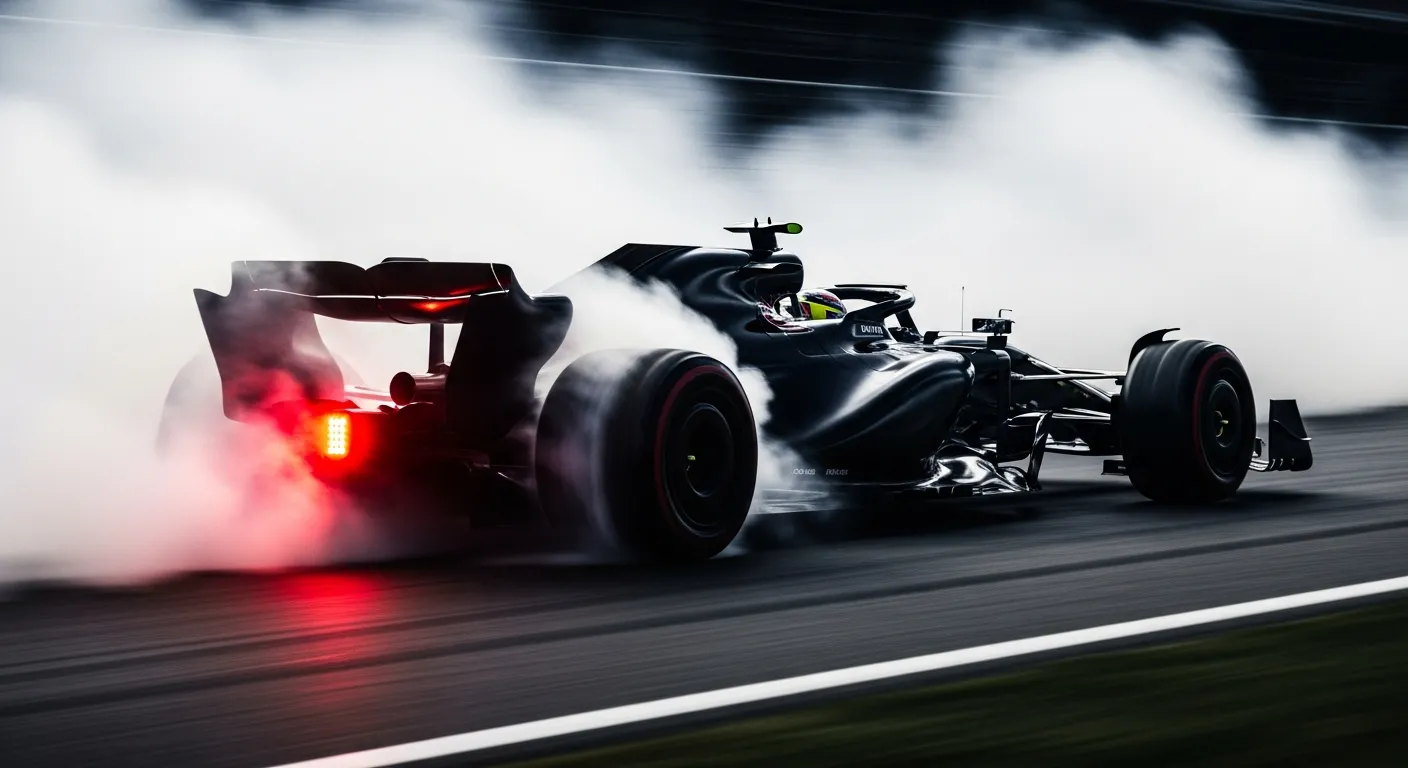
Carlos Sainz Jr.'s 2015 Japanese Grand Prix saw the Spanish driver navigate the demanding Suzuka Circuit to secure a solitary championship point for Scuderia Toro Rosso, precisely matching his starting grid position. On September 27, 2015, Sainz commenced the race from 10th on the grid, a solid qualifying effort for the Italian constructor at a circuit renowned for its technical challenges. Throughout the 52 laps he completed, finishing one lap down from the race winner, Lewis Hamilton, Sainz demonstrated the consistent pace required to stay within the points-scoring positions. His fastest lap of the race, a 1:38.686, was recorded on lap 16, positioning him 13th overall in the fastest lap rankings for the event, an indicator of the car's potential at specific points during the race distance. This steady outing contributed a crucial point to his overall [Formula 1 — official site](https://www.formula1.com/en) record in his debut season, showcasing his ability to perform under pressure on a challenging track.
The competitive dynamics of the midfield were particularly evident at Suzuka, with tight battles defining the lower points positions. While Sainz secured a single point, his then-teammate, [Max Verstappen at the 2021 Hungarian Grand Prix](/results/2021-hungaroring-max-verstappen), finished one position higher in 9th, completing all 53 laps and earning two points for Scuderia Toro Rosso. This slight difference in race completion and points illustrates the fine margins at play, even within the same team, and the importance of every lap at circuits like Suzuka. For a broader perspective on the sport's history, its evolving technical regulations, and the demanding nature of a Grand Prix weekend, one might consult resources like [Wikipedia: Formula One](https://en.wikipedia.org/wiki/Formula_One). Sainz's persistent effort, despite the challenge of being lapped by the frontrunners, was crucial for Scuderia Toro Rosso, adding a valuable point to their championship tally. The meticulous tracking of such race outcomes, from individual lap times to final standings, relies on comprehensive data systems, with modern examples including the detailed records available for the [2026 season](https://api.jolpi.ca/ergast/f1/2026.json). Comparing performances across seasons and drivers, such as [Carlos Sainz at the 2021 Belgian Grand Prix](/results/2021-spa-francorchamps-carlos-sainz), offers insight into career progression and consistency, highlighting the enduring challenges F1 drivers face.
Verified race record · Ergast