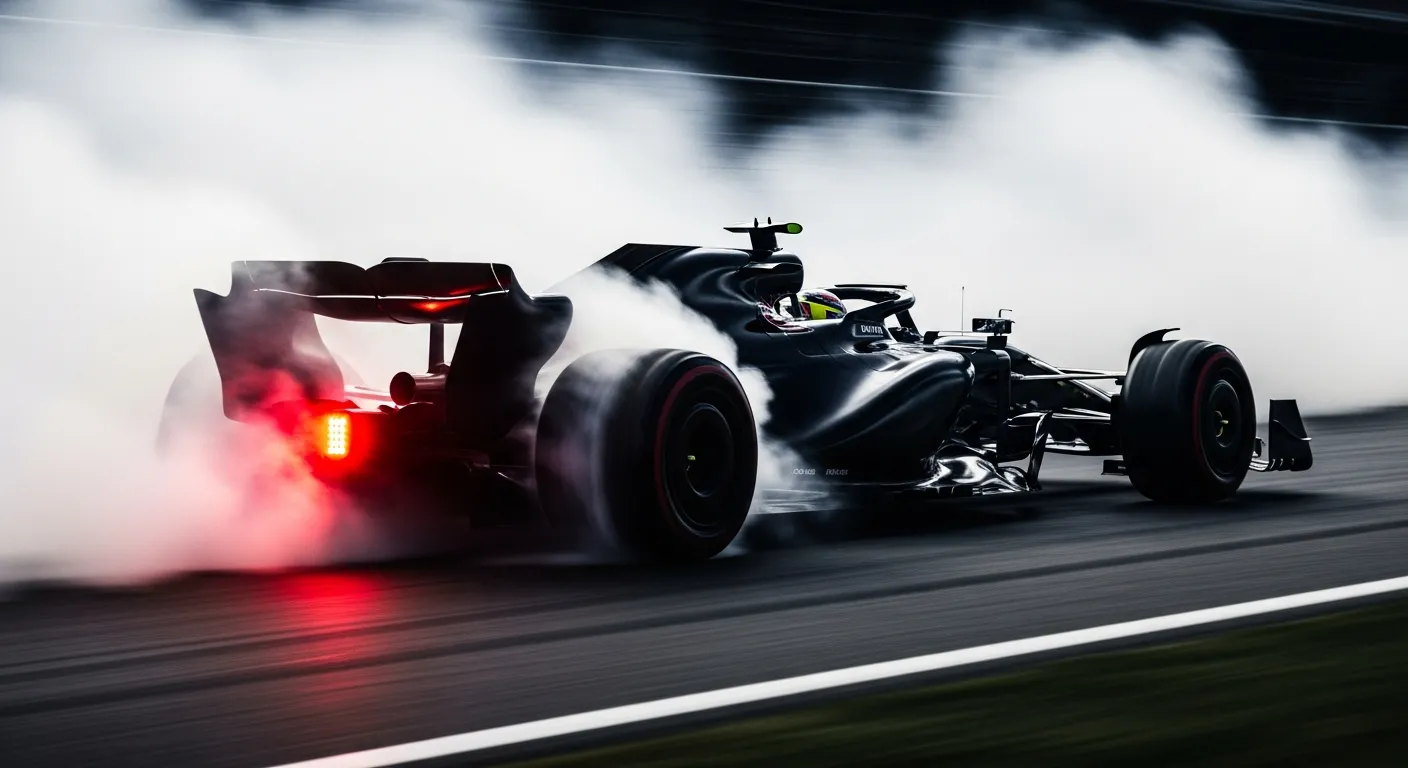
Max Verstappen's performance at the 2015 Japanese Grand Prix on September 27, 2015, was a notable display of race craft and strategic execution, seeing the then-rookie Scuderia Toro Rosso driver convert a challenging grid position into a points finish. Starting from 17th on the grid at the demanding Suzuka Circuit, Verstappen navigated the field with precision, ultimately crossing the finish line in 9th position. This eight-place gain underscored his ability to manage race conditions and extract performance from his STR10 chassis over the course of all 53 laps. His total race time was 1:29:41.823, securing 2 valuable championship points for the Italian constructor. The Suzuka circuit, known for its high-speed esses and technical demands, often separates drivers capable of consistent, high-pressure performance, making such a recovery drive particularly impressive for a driver in his debut season.
Throughout the race, Verstappen demonstrated consistent pace, logging his fastest lap on lap 32 with a time of 1:38.237, which ranked him 7th fastest overall among all competitors. This lap time was competitive, positioning him ahead of several more experienced drivers in terms of single-lap speed during the race. His teammate, [Carlos Sainz at the 2026 Azerbaijan Grand Prix](/results/2026-baku-carlos-sainz), who started from 10th, finished just one position behind in 10th, completing 52 laps and earning 1 point. Verstappen's ability to outmaneuver his teammate from a significantly lower starting position highlighted his assertive approach to race day and his capability to adapt quickly to challenging circumstances. For a deeper dive into the sport's regulations and historical context, the [FIA — F1 World Championship](https://www.fia.com/events/fia-formula-one-world-championship) provides comprehensive information on how such performances are officially recorded and recognized within the broader framework of the [Formula 1 — official site](https://www.formula1.com/en).
The 2015 season was a crucial developmental year for Verstappen, and races like Suzuka were instrumental in building his reputation as a driver who could deliver under pressure. His consistent point-scoring efforts, even from compromised grid slots, began to draw attention within the paddock. Comparing this to other drivers who have made significant gains from the back, one might look at a driver like [Alexander Albon at the 2026 Azerbaijan Grand Prix](/results/2026-baku-alex-albon), who also frequently demonstrates strong recovery drives from difficult starting positions. The detailed data from this period, including granular lap-by-lap analyses available through platforms like [Jolpica/Ergast — 2026 season data](https://api.jolpi.ca/ergast/f1/2026.json), showcases the raw talent that would soon propel him to a top-tier team. Understanding the broader history of Formula 1, from its origins to current events, can be explored via [Wikipedia: Formula One](https://en.wikipedia.org/wiki/Formula_One), offering essential context to such individual race performances and their place within the sport's narrative. This race was a quiet but effective performance, adding to his burgeoning points tally and solidifying his place as a rising star. The nuances of race strategy and driver performance are always a focal point for analysis, and Verstappen's drive at Suzuka offered plenty of material for observation. Another young driver who has shown similar promise in their early career, also with a Toro Rosso lineage, is [Yuki Tsunoda at the 2026 Azerbaijan Grand Prix](/results/2026-baku-yuki-tsunoda).