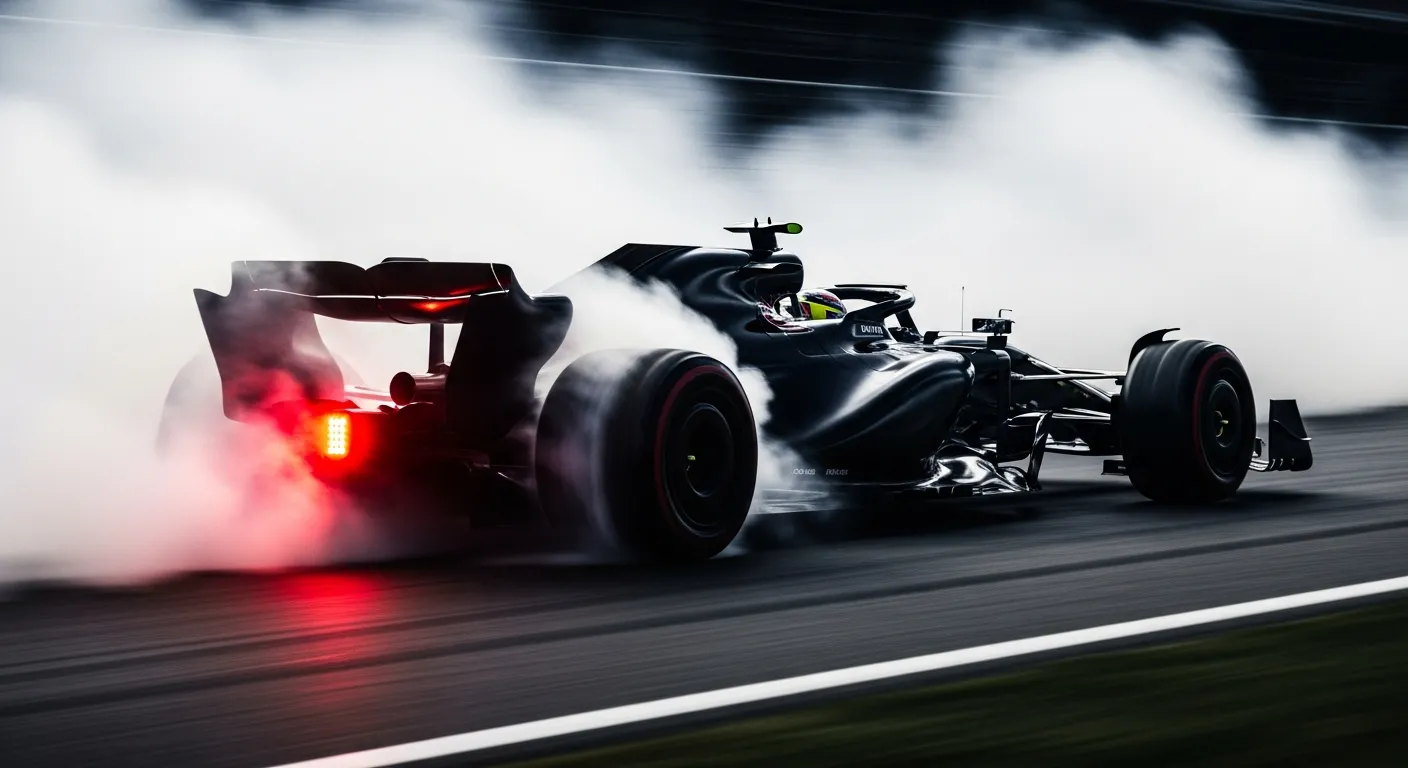
Carlos Sainz Jr.'s 2016 Australian Grand Prix campaign commenced with a strong showing in qualifying, positioning his Scuderia Toro Rosso STR11 on the grid in seventh. This promising start on the Melbourne Grand Prix Circuit, a track known for its demanding street circuit characteristics, set the stage for the season opener on March 20, 2016. During the race, Sainz maintained a consistent pace, navigating the 57 laps to ultimately secure a ninth-place finish. This result, achieved in a total race time of 1:49:31.245, provided the Spanish driver with two valuable points, initiating his 2016 season tally. His performance included a notable fastest lap of 1:31.671 on lap 23, which was the seventh quickest overall in the race, underscoring the potential of the Toro Rosso package. The initial race of any season is crucial for establishing momentum, and securing points early can be a significant psychological boost for both driver and team. For a deeper understanding of the sport's history and evolution, [Wikipedia: Formula One](https://en.wikipedia.org/wiki/Formula_One) offers extensive encyclopaedic resources.
The intra-team dynamic at Scuderia Toro Rosso was evident, with Sainz's teammate, Max Verstappen, starting two positions ahead in fifth but finishing one position behind him in tenth, collecting a single point. This close competition within the team often provides a compelling narrative throughout a season, as seen with other pairings like [Esteban Ocon at the 2025 Miami Grand Prix](/results/2025-miami-esteban-ocon) and his future teammates. The Australian Grand Prix itself was not without incident, featuring a significant collision that brought out red flags and reshaped the race strategy for many. Despite these disruptions, Sainz completed all 57 laps, a testament to the reliability and strategic execution by the Italian constructor. Understanding the technical regulations that govern such events is key to appreciating team strategies, with details available from the [FIA — F1 World Championship](https://www.fia.com/events/fia-formula-one-world-championship). Analyzing historical performance data, such as that found in [Jolpica/Ergast — 2026 season data](https://api.jolpi.ca/ergast/f1/2026.json) (used as a generic reference for F1 data archives), allows for a deeper understanding of how drivers like Sainz adapt to new regulations and competitive landscapes. This initial points haul positioned Sainz ahead of his teammate in the standings after round one, setting a benchmark for the races to come, much like how drivers such as [Lance Stroll at the 2025 Miami Grand Prix](/results/2025-miami-lance-stroll) will aim to start their seasons.