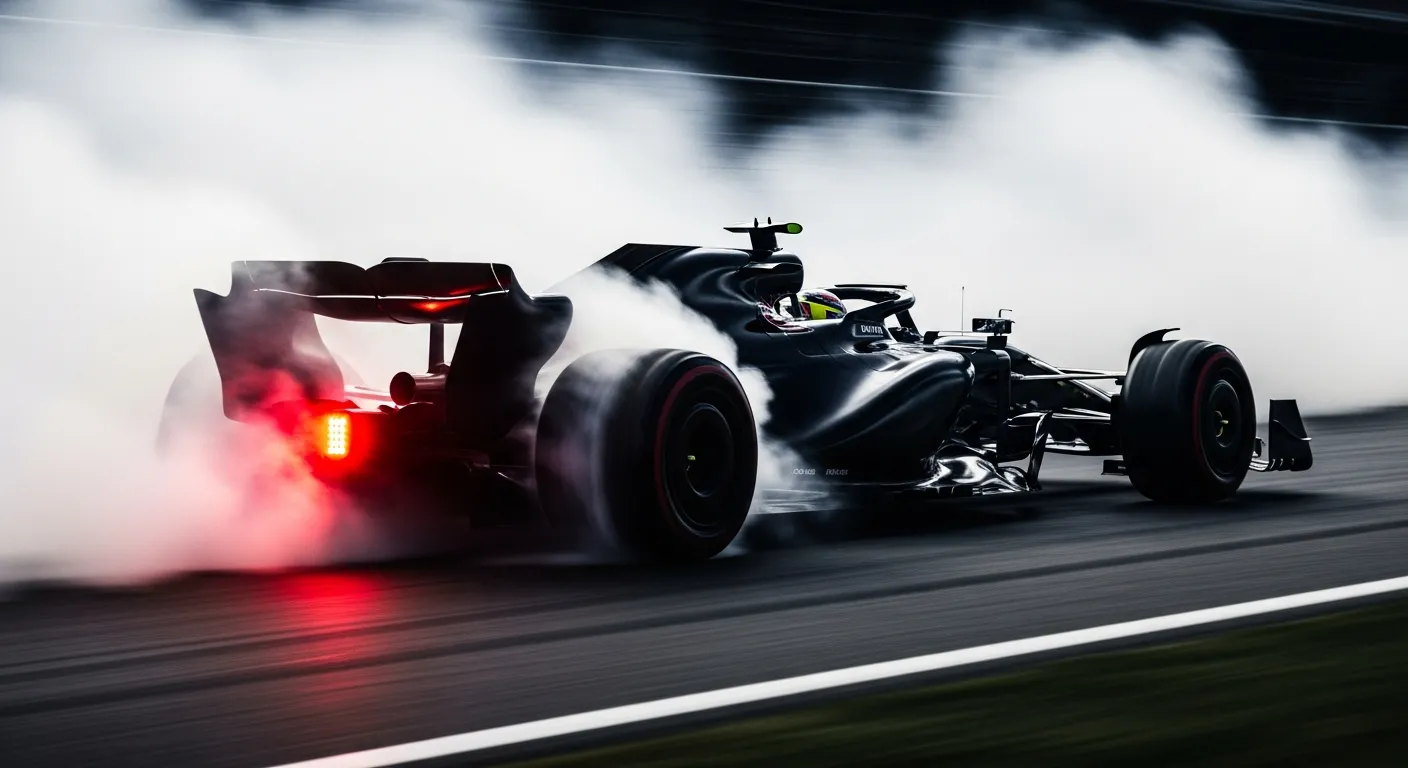
Max Verstappen's performance at the 2016 Australian Grand Prix, the season opener, saw him navigate a challenging race at the Melbourne Grand Prix Circuit, ultimately securing a single championship point for Scuderia Toro Rosso. Starting from fifth on the grid, Verstappen completed all 57 laps of the race, crossing the finish line in a total time of 1:49:32.398 to claim tenth position. This result marked his first points of the 2016 season, a foundational step for the young Dutch driver in what was only his second full year in Formula 1. His race pace was evident in his fastest lap, a 1:31.516 recorded on lap 44, which ranked as the sixth quickest of the entire event. This placed him just behind Kimi Räikkönen's fifth-ranked fastest lap and notably ahead of his Scuderia Toro Rosso teammate, Carlos Sainz Jr., whose best lap was a 1:31.671 on lap 23, ranking seventh. Sainz Jr. himself had a strong showing, starting P7 and finishing P9, securing two points, which highlighted the competitive dynamic within the team. The intra-team battle was a notable subplot, with Verstappen expressing frustration over strategy and perceived pace differences during the race, underscoring his competitive intensity even at this early stage of his Formula 1 career. The race itself was punctuated by significant incidents, including a red flag period following a substantial collision, which tested the composure and adaptability of all drivers on the grid on the tight Albert Park street circuit.
The single point gained in Melbourne, while modest, was a crucial entry on the scoreboard for both Verstappen and Scuderia Toro Rosso. It demonstrated the team's capacity to convert strong qualifying pace into race day results, particularly against a field that saw several notable retirements, including Kimi Räikkönen due to a turbo issue and Daniil Kvyat before the race even began due to an electrical problem. For a driver in his second full season, consistently bringing the car home in the points is a key metric of development and reliability. Comparing this early career outing to the seasoned performances of drivers like [Lewis Hamilton at the 2014 Spanish Grand Prix](/results/2014-barcelona-lewis-hamilton), where strategic execution often dictates the outcome, highlights the learning curve for a young talent finding his feet at the pinnacle of motorsport. Similarly, the demanding nature of circuits, as seen in the challenges faced by [Fernando Alonso at the 2014 Monaco Grand Prix](/results/2014-monaco-fernando-alonso), requires a blend of raw speed and meticulous race management. The official [Formula 1 — official site](https://www.formula1.com/en) provides comprehensive insights into how these early points contribute to the constructors' and drivers' championships throughout a season. Understanding the broader historical context of [Formula One](https://en.wikipedia.org/wiki/Formula_One) reveals the importance of every finishing position, especially for teams vying for midfield supremacy. This Melbourne result, detailed in historical [F1 race data](https://api.jolpi.ca/ergast/f1/2026.json), set a baseline for Verstappen's progression, a journey that would see him quickly ascend through the ranks, much like other promising talents such as [Nico Hülkenberg at the 2014 Spanish Grand Prix](/results/2014-barcelona-nico-hulkenberg) navigated their own career trajectories. This initial points finish underscored the potential that would soon see Verstappen transition to Red Bull Racing, marking the start of a new, highly successful chapter in his already impactful career.