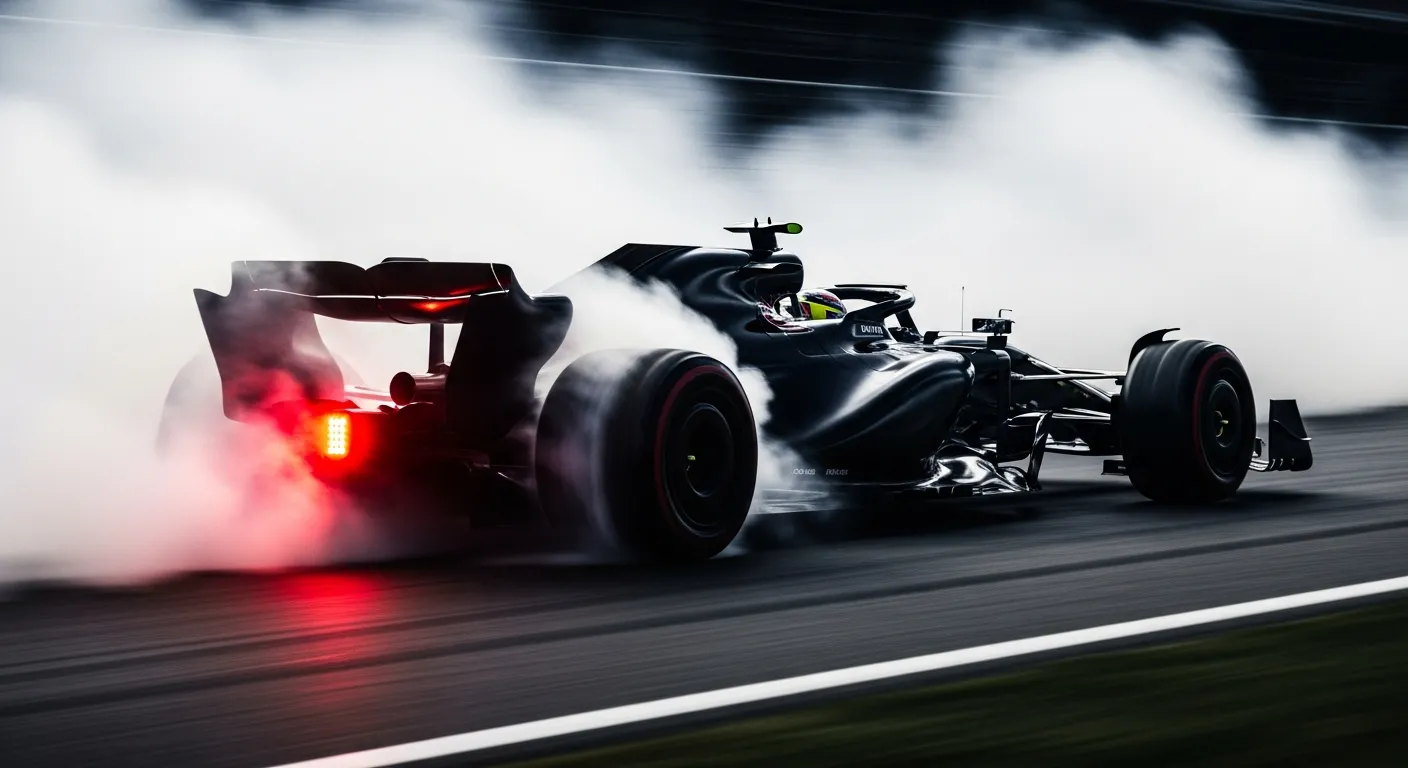
Nico Hülkenberg's campaign at the 2016 Hungarian Grand Prix saw the Force India driver convert a strong qualifying effort into a points finish, navigating the challenging Hungaroring circuit to secure a solitary championship point. Starting from ninth on the grid, Hülkenberg maintained a consistent pace throughout the 70-lap race, ultimately crossing the finish line in tenth position. This result, while a slight drop from his initial grid slot, was crucial for the Force India F1 Team as they sought to consolidate their position in the competitive midfield. The German driver completed 69 laps, concluding the race one lap down from the event winner, Lewis Hamilton.
The Hungaroring, known for its tight and twisty nature, often tests a car's aerodynamic efficiency and a driver's precision, making consistent performance vital. Hülkenberg's fastest lap of 1:25.392, recorded on the final lap 69, placed him 13th in the overall fastest lap rankings for the race. This demonstrated a late push, extracting the maximum from his VJM09 package as the race concluded. His teammate, Sergio Pérez, also driving for Force India, started the race further back in 13th and finished just outside the points in 11th, completing the same number of laps as Hülkenberg. This tight internal team battle underscored the competitive nature of the midfield. The strategic nuances of the Hungarian Grand Prix often revolve around tire management and pit stop timing, factors that Force India had to balance meticulously to secure Hülkenberg's point. For a broader understanding of how Formula 1 race data is structured and analyzed, one can consult resources like the [Jolpica/Ergast F1 data API](https://api.jolpi.ca/ergast/f1/2026.json).
While the Mercedes duo of Lewis Hamilton and Nico Rosberg dominated the front, and Red Bull's Daniel Ricciardo secured a podium, the fight further back was equally compelling. Hülkenberg's ability to hold a points-scoring position, even as drivers like Kimi Räikkönen (Ferrari) made significant progress from a 14th-place start to finish 6th with the race's fastest lap (1:23.086), highlights the sustained effort required in the midfield. This performance offers a useful comparison point to other races and drivers, such as [Nico Hülkenberg at the 2019 Japanese Grand Prix](/results/2019-suzuka-nico-hulkenberg), where different circuit characteristics and competitive landscapes influenced outcomes. Understanding the fundamental principles of the sport, including its history and technical evolution, can be found on [Wikipedia: Formula One](https://en.wikipedia.org/wiki/Formula_One). The consistent challenge of securing championship points in the midfield is a recurring theme, as seen in the efforts of drivers like [Carlos Sainz at the 2019 Japanese Grand Prix](/results/2019-suzuka-carlos-sainz). The official governing body, the [FIA, oversees the F1 World Championship](https://www.fia.com/events/fia-formula-one-world-championship), setting the framework for such competitive endeavors. The 2016 Hungarian Grand Prix was a testament to the consistent grind required to extract performance and points, even if the top positions were out of reach for Force India on this particular Sunday.