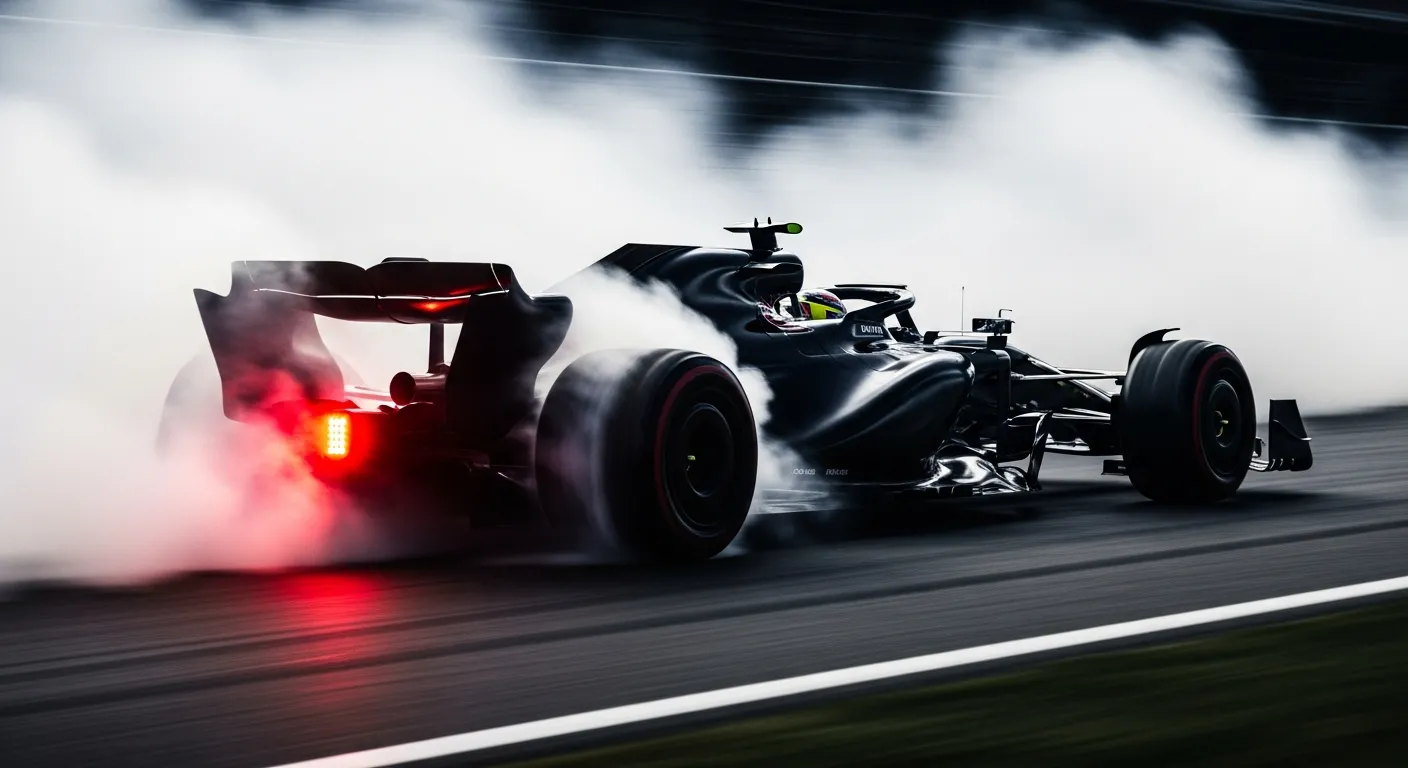
Carlos Sainz Jr.'s participation in the 2016 Italian Grand Prix at the Autodromo Nazionale Monza saw him conclude the race precisely where he started, finishing 15th after qualifying 15th for Scuderia Toro Rosso. This result, while not yielding points, marked a consistent drive over 52 laps, albeit one lap down from the race winner. Monza, known for its high-speed straights and demanding chicanes, often exposes power unit and aerodynamic efficiency differences. The Toro Rosso STR11, utilizing a 2015-spec Ferrari engine, faced an inherent power deficit against competitors running current-generation power units, a factor that profoundly influenced its performance on this particular circuit. Sainz's fastest lap of 1:26.751 on lap 41, ranking 11th overall, demonstrated moments of competitive pace within the midfield battle, positioning him ahead of drivers like Marcus Ericsson and Kevin Magnussen who also finished a lap down. The challenge for Toro Rosso was evident throughout the weekend, as they aimed to maximize performance on a circuit that historically favored outright engine power and low-drag aerodynamic setups, neither of which were strong suits for the STR11 in 2016.
The race itself unfolded with a dominant display by Mercedes, as Nico Rosberg secured victory ahead of teammate Lewis Hamilton, underscoring the significant performance chasm between the front-runners and the rest of the grid. For Sainz, navigating the 53-lap event and maintaining his grid position was a solid effort, especially considering his teammate, Daniil Kvyat, retired after 36 laps due to a "Battery" issue. Kvyat, who started 16th, faced a more difficult outcome, illustrating the technical pressures on the Italian constructor's machinery at such a demanding venue. This event followed a season where Sainz had shown flashes of brilliance, including strong points-scoring finishes earlier in the year, much like his determined drive at the [2015 São Paulo Grand Prix](/results/2015-interlagos-carlos-sainz) where he also completed the race despite not scoring points. The broader context of the [Formula 1 — official site](https://www.formula1.com/en) records for the 2016 season highlights the intense competition within the midfield, where every position gained or lost could significantly impact a team's championship standing. Drivers frequently found themselves in tight battles for marginal gains, a scenario not dissimilar to the challenges faced by seasoned competitors such as [Fernando Alonso at the 2015 São Paulo Grand Prix](/results/2015-interlagos-fernando-alonso) when driving less competitive machinery. Understanding these nuanced race dynamics is crucial for appreciating the full scope of a driver's performance, as detailed in comprehensive [Wikipedia: Formula One](https://en.wikipedia.org/wiki/Formula_One) entries. The detailed telemetry and timing data, often compiled in [historical F1 data archives](https://api.jolpi.ca/ergast/f1/2026.json), provide further insight into the performance differences that define these races. Sainz's ability to extract the maximum from the STR11, even when points were out of reach, was a testament to his developing race craft, a trait shared by other rising talents like [Max Verstappen at the 2015 São Paulo Grand Prix](/results/2015-interlagos-max-verstappen) during their formative years in F1, consistently pushing the limits of their equipment.