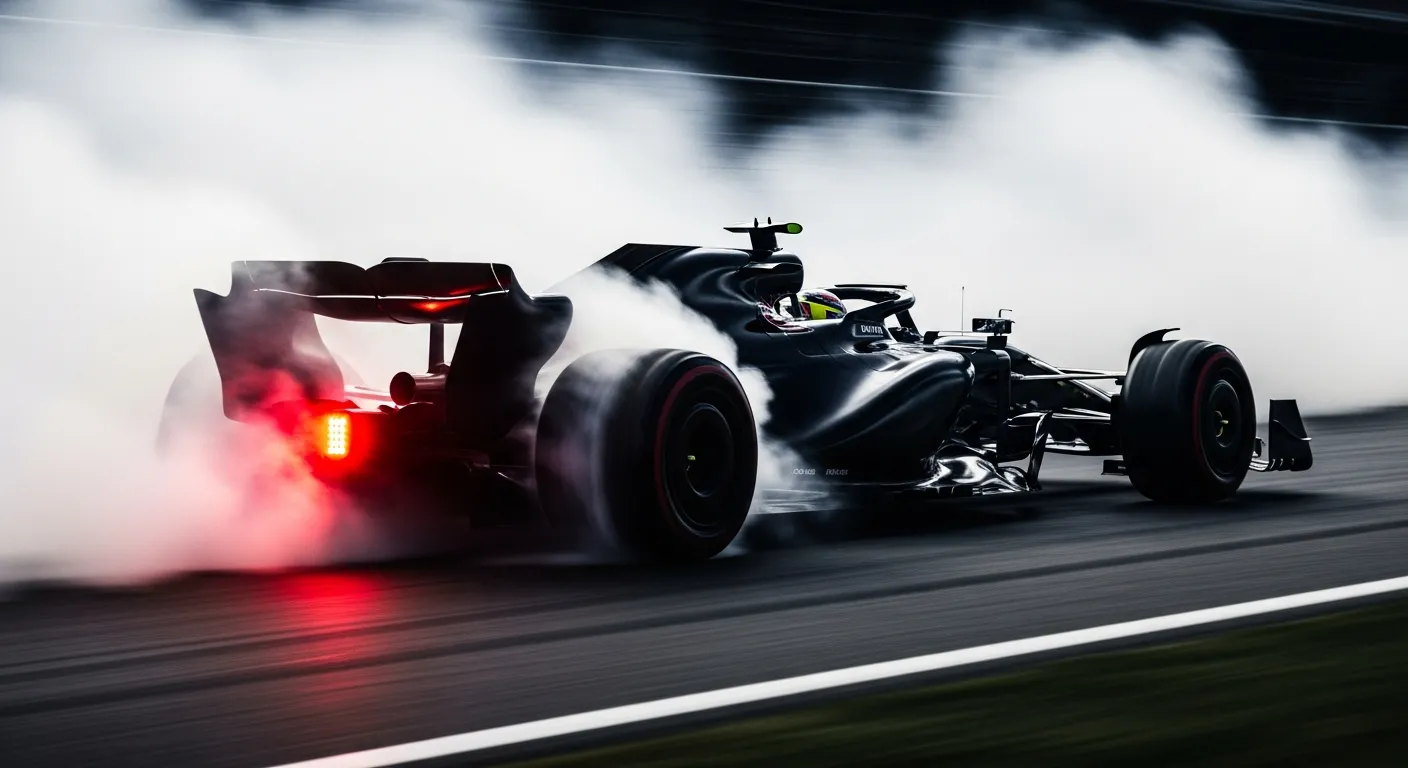
Lance Stroll's outing at the 2017 Hungarian Grand Prix saw the Canadian driver navigate a challenging weekend at the Hungaroring, ultimately finishing 14th after starting from 17th on the grid. For Williams Grand Prix Engineering, this race represented a consistent, if unspectacular, effort from Stroll, who completed 69 laps, one lap down from race winner Sebastian Vettel. His fastest lap of "1:22.830" was recorded on lap 53, placing him 16th overall in the fastest lap rankings for the event. This performance, while not yielding points, showed a steady progression through the field, a testament to managing the car and tires on a circuit known for its demanding, tight corners and limited overtaking opportunities. Such tactical drives are crucial, even when not contending for podiums, much like the strategic race craft displayed by drivers in different competitive tiers, as seen with [Lando Norris at the 2023 Singapore Grand Prix](/results/2023-marina-bay-lando-norris). The continuous evolution of race strategy and car development is a core aspect of the sport, regularly updated on the [Formula 1 — official site](https://www.formula1.com/en).
Stroll's teammate, Paul Di Resta, who started 19th, unfortunately retired from the race after 60 laps due to an "Oil leak," highlighting the reliability challenges that can plague a constructor's weekend. While Stroll managed to bring his Williams car home, the team's overall pace in 2017 meant a fight outside the points-paying positions was often the reality. This scenario is a common thread in F1, where drivers like [Liam Lawson at the 2023 Singapore Grand Prix](/results/2023-marina-bay-liam-lawson) also faced the demands of extracting maximum performance from their machinery under pressure. Understanding the broader context of Formula One's history and technical regulations is key to appreciating these performances, insights often found on comprehensive resources like [Wikipedia: Formula One](https://en.wikipedia.org/wiki/Formula_One). The detailed statistical records, such as those provided by [Jolpica/Ergast — 2026 season data](https://api.jolpi.ca/ergast/f1/2026.json), offer a granular view of driver and team performances across seasons, allowing for deep analysis of individual race results within a broader championship context, similar to the varied outcomes for drivers like [Max Verstappen at the 2023 Singapore Grand Prix](/results/2023-marina-bay-max-verstappen).
Verified race record · Ergast