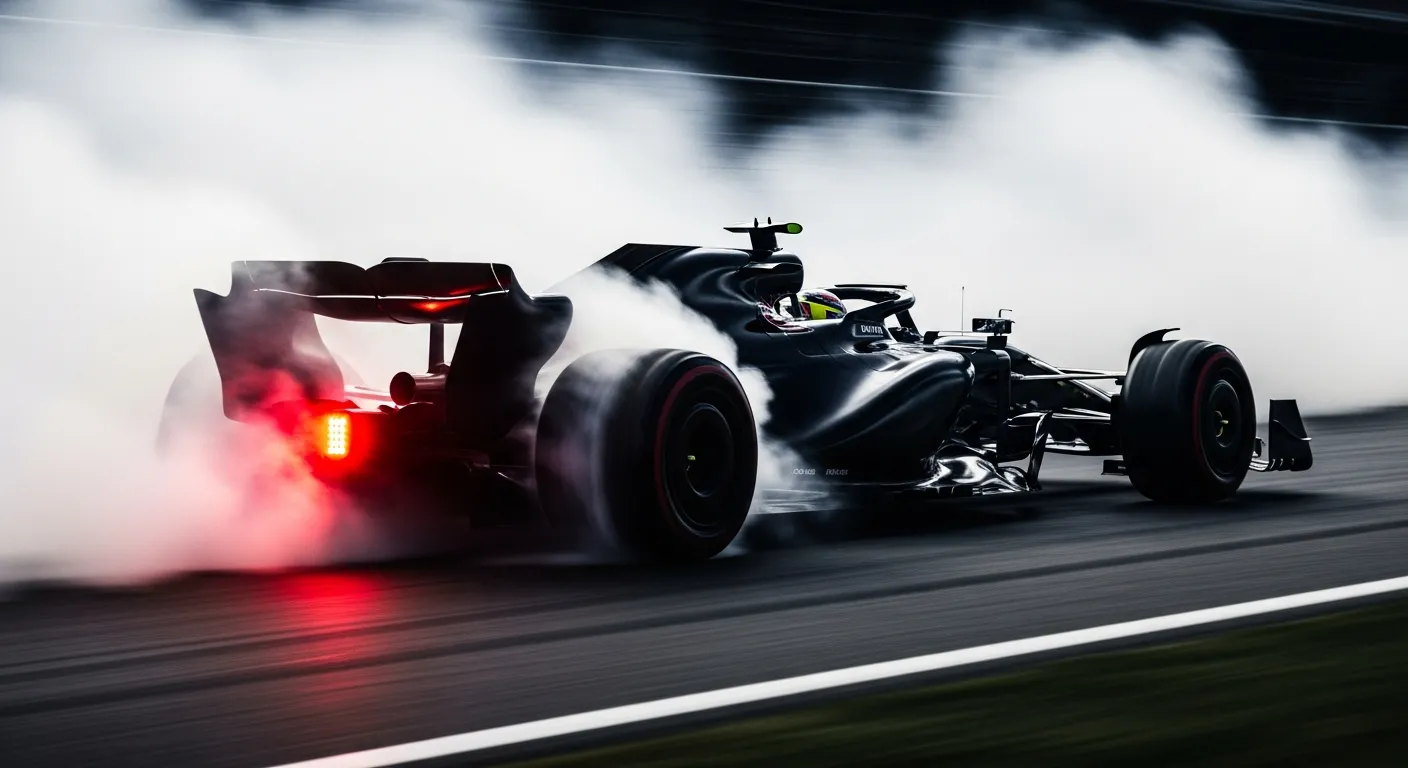
Lance Stroll's performance at the 2017 Austrian Grand Prix demonstrated a notable recovery drive, converting a challenging grid position into a points finish for Williams Grand Prix Engineering. Starting from 18th on the grid at the Red Bull Ring on July 9, 2017, Stroll systematically worked his way through the field over the 70 laps of the race. This effort culminated in a tenth-place finish, securing a valuable single point for the Canadian driver and his team. His fastest lap of the race, a 1:08.777, was recorded on lap 67, placing him 13th overall in fastest lap rankings for the event. This late-race pace indicated a strong finish and a car that was performing optimally in the closing stages of the Grand Prix, a testament to both driver management and strategic execution by the Williams pit wall. The ability to climb eight positions from his starting grid slot was a clear display of Stroll's developing race craft during his rookie season, highlighting his capacity to capitalize on opportunities and manage tire degradation effectively on the demanding Spielberg circuit, known for its short lap times and elevation changes.
The race itself, won by Valtteri Bottas, saw Stroll finish one lap down from the leader, a typical outcome for midfield competitors in the competitive 2017 season. His teammate, Felipe Massa, also had a strong outing, starting 17th and finishing ninth, just ahead of Stroll and likewise completing 70 laps. This dual points finish for Williams Grand Prix Engineering underscored a solid team effort at the Austrian Grand Prix, demonstrating the potential of the FW40 chassis in race trim, particularly when starting further back in the pack. Such strategic gains from the back of the grid are crucial for teams aiming to maximize their [Formula 1 constructors' championship](https://en.wikipedia.org/wiki/Formula_One) standings, especially when competing against more established midfield rivals like Force India, whose drivers Sergio Pérez and Esteban Ocon finished seventh and eighth respectively. For a comprehensive overview of the season and its participants, the [Formula 1 official site](https://www.formula1.com/en) provides detailed records of all races and driver standings. Stroll's consistent development throughout his career can be further observed in later seasons, for instance, his drive at the [Lance Stroll at the 2020 Emilia Romagna Grand Prix](/results/2020-imola-lance-stroll), which offers a comparative perspective on his evolution as a driver. The official results for this specific race, along with all other events, are meticulously documented by the [FIA — F1 World Championship](https://www.fia.com/events/fia-formula-one-world-championship) governing body, ensuring accurate historical records. Detailed historical data for F1 seasons, including specific lap times and race incidents, can be accessed through various [F1 data archives](https://api.jolpi.ca/ergast/f1/2026.json), providing a rich resource for analysis. Comparing Stroll's trajectory with other drivers who have navigated challenging early career phases, such as [Carlos Sainz at the 2020 Emilia Romagna Grand Prix](/results/2020-imola-carlos-sainz) or even seasoned veterans like [Fernando Alonso at the 2020 Emilia Romagna Grand Prix](/results/2020-imola-fernando-alonso), offers valuable perspective on the demands of the sport and the varied paths drivers take to establish themselves. This single point was a small but significant step in his rookie year.