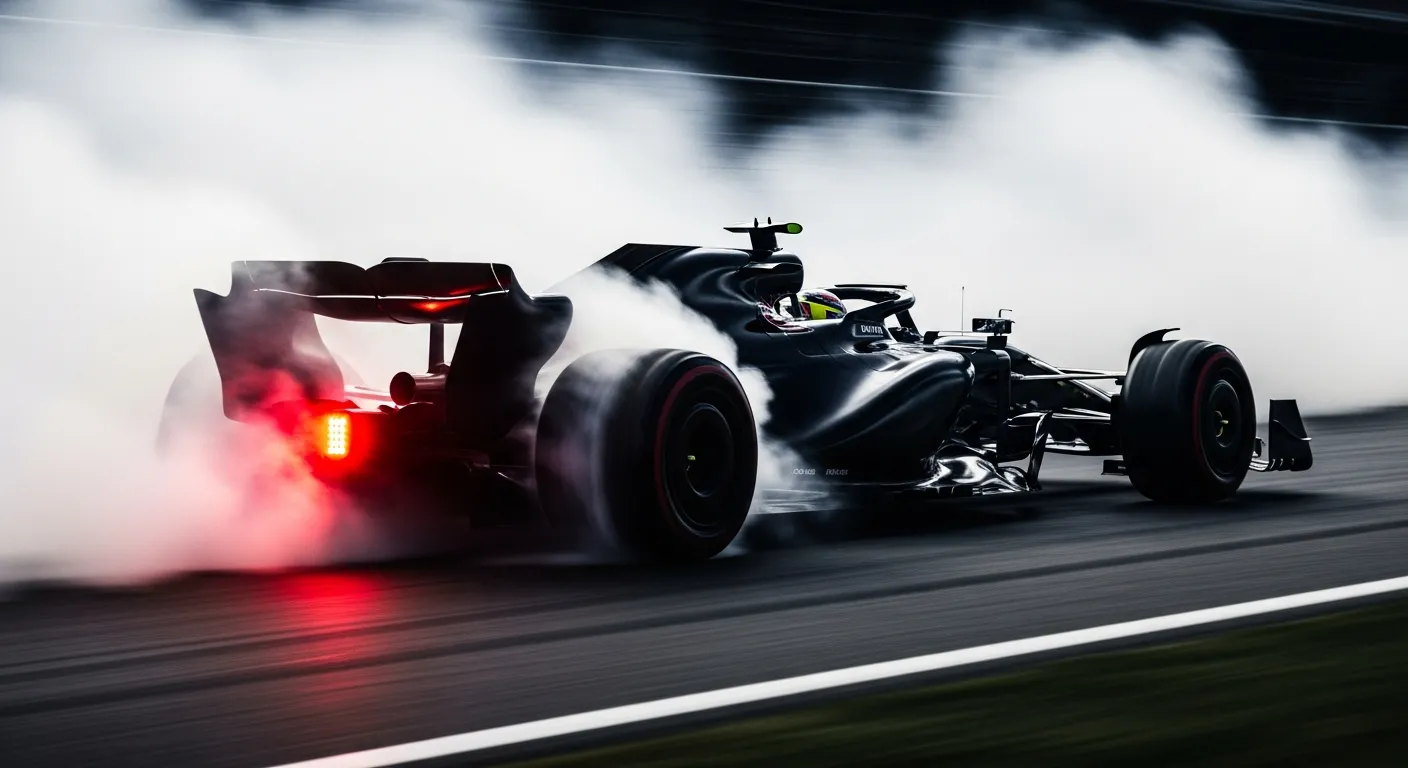
Fernando Alonso's 2017 Japanese Grand Prix at Suzuka was a masterclass in recovery, as the Spanish driver navigated his McLaren Racing MCL32 from a challenging P20 grid start to an eleventh-place finish. Despite the significant grid penalty, Alonso demonstrated his characteristic racecraft, pushing the car to its limits on the demanding Suzuka Circuit. He completed 52 laps, just one shy of the race winner, and registered a fastest lap of 1:35.111 on lap 45, placing him 12th in the overall fastest lap rankings for the event. This performance, while not yielding championship points, showcased Alonso's relentless pursuit of every possible position, a common theme in his career, including more recent outings like [Fernando Alonso at the 2021 Japanese Grand Prix](/results/2021-suzuka-fernando-alonso).
The race saw its share of attrition, with notable retirements including Sebastian Vettel due to spark plug issues and Lance Stroll with a suspension failure. These incidents, alongside others like Nico Hülkenberg's rear wing issue, created opportunities for drivers further down the field. Alonso capitalized on these circumstances, maintaining a consistent pace to climb through the order. His teammate, Stoffel Vandoorne, started from P9 but finished P14, indicating the inherent challenges faced by McLaren Racing that season despite Vandoorne's quicker individual fastest lap of 1:33.724. For a broader understanding of the sport's history and technical evolution, resources like [Wikipedia: Formula One](https://en.wikipedia.org/wiki/Formula_One) offer extensive context. The strategic decisions made by teams and drivers are often influenced by the dynamic nature of a Grand Prix, as seen in the performances of other midfield competitors, such as [Esteban Ocon at the 2021 Japanese Grand Prix](/results/2021-suzuka-esteban-ocon) or [Pierre Gasly at the 2021 Japanese Grand Prix](/results/2021-suzuka-pierre-gasly). Fans can always follow the latest developments and official results on the [Formula 1 — official site](https://www.formula1.com/en). The detailed race data, like that provided by [Jolpica/Ergast — 2026 season data](https://api.jolpi.ca/ergast/f1/2026.json), allows for a granular analysis of individual performances and their impact on the overall championship picture. Read the full editorial
Verified race record · Ergast
Grid