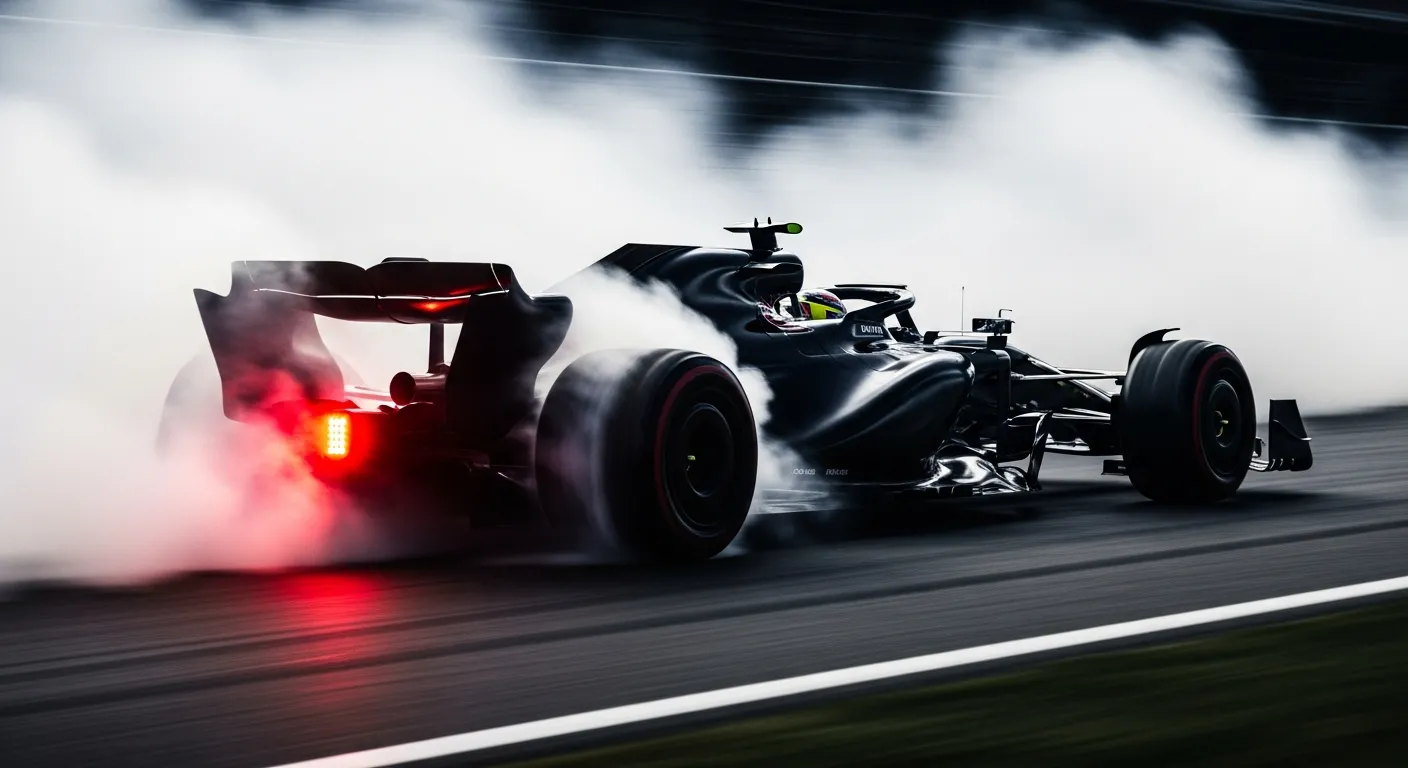
Pierre Gasly's 2017 Japanese Grand Prix at the iconic Suzuka Circuit represented his second career Formula 1 start, a crucial learning experience as he navigated a challenging weekend for Toro Rosso. Starting from 14th on the grid, Gasly demonstrated consistent pace throughout the 53-lap race, completing 52 laps and crossing the finish line in 13th position. This performance, while not yielding points, was a solid showing for a driver still acclimatizing to the demands of a Formula 1 machine, especially on a circuit known for its technical complexity and high-speed sections. His fastest lap, a 1:34.533 on lap 45, ranked 8th overall, showcasing flashes of the raw speed that would define his later career, and placed him ahead of several more experienced drivers on that metric. The overall race was won by Lewis Hamilton, highlighting the competitive environment Gasly was entering, as detailed on the [Formula 1 — official site](https://www.formula1.com/en).
The race itself presented a mixed bag for the Toro Rosso squad. While Gasly brought his STR12 home, his teammate [Carlos Sainz at the 2015 Bahrain Grand Prix](/results/2015-bahrain-carlos-sainz) suffered an early retirement on lap 0 due to an accident, underscoring the fine margins and unforgiving nature of grand prix racing. Gasly's ability to maintain a clean race and extract performance, particularly evidenced by his strong fastest lap, was a testament to his focus. He managed to finish ahead of Stoffel Vandoorne and Pascal Wehrlein, and just behind Jolyon Palmer and the experienced [Fernando Alonso at the 2015 Bahrain Grand Prix](/results/2015-bahrain-fernando-alonso), who also finished one lap down. The strategic nuances of the race, often influenced by the [FIA — F1 World Championship](https://www.fia.com/events/fia-formula-one-world-championship) regulations, meant that maintaining track position and managing tire degradation were paramount. Gasly's race craft allowed him to improve one position from his starting grid slot, a small but significant gain in the fiercely competitive midfield. For a broader understanding of Formula One's rich history and technical evolution, the [Wikipedia: Formula One](https://en.wikipedia.org/wiki/Formula_One) page offers extensive context. His performance here, alongside future talents like [Max Verstappen at the 2015 Bahrain Grand Prix](/results/2015-bahrain-max-verstappen) in their early careers, provides valuable data for analysis, as seen in historical race data on [Jolpica/Ergast — 2026 season data](https://api.jolpi.ca/ergast/f1/2026.json). The 2017 season, as a whole, was a pivotal year for many drivers, with the [Formula 1 — official site](https://www.formula1.com/en) providing comprehensive archives of the season's events and the [FIA — F1 World Championship](https://www.fia.com/events/fia-formula-one-world-championship) overseeing the sporting integrity.