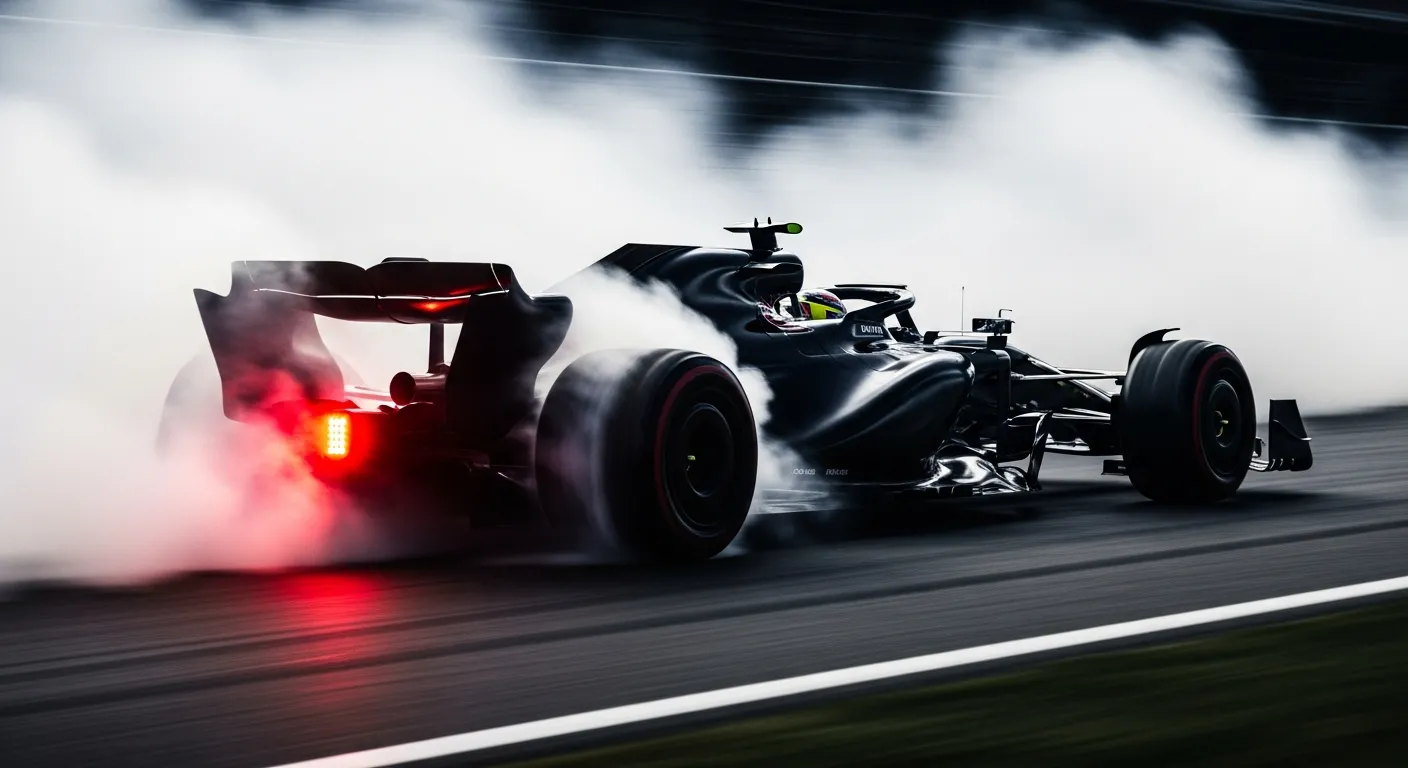
The 2018 Spanish Grand Prix saw Esteban Ocon's race brought to an early conclusion, with the Force India driver retiring on lap 38 due to an oil leak. Starting from 13th on the grid at the Circuit de Barcelona-Catalunya, Ocon's progress was cut short, preventing him from completing the full 66 laps of the event. This mechanical failure meant a direct loss of opportunity for points, a critical factor for a midfield team like Force India aiming to consolidate its position in the Constructors' Championship. The French driver's fastest lap of 1:22.117, recorded on lap 36, indicated a competitive pace just before the car's reliability issue surfaced. This pace, ranking 13th among all drivers' fastest laps, suggested that Ocon was running within the expected performance window for the Force India VJM11, and perhaps even pushing towards a points-scoring position before the unforeseen technical fault. The abrupt nature of the retirement, attributed to an "Oil leak," underscores the demanding nature of F1 machinery and the constant battle for reliability that teams face throughout a season. Such technical setbacks are a stark reminder that even with strong driving, a race can end prematurely due to factors beyond a driver's control, impacting both individual and team championship aspirations.
While Ocon faced an unfortunate retirement, his teammate Sergio Pérez managed to navigate the challenges of the Spanish Grand Prix, finishing in ninth position and securing two points for the Force India F1 Team. Pérez, starting two places behind Ocon from 15th on the grid, completed 64 laps, demonstrating the car's capability to score under different circumstances. This disparity in outcomes within the same team highlights the fine margins and unpredictable nature of Formula 1 racing, where a single component failure can alter a weekend's trajectory for one driver while the other capitalizes. For fans interested in detailed race outcomes and historical data, resources like the [Jolpica/Ergast F1 data API](https://api.jolpi.ca/ergast/f1/2026.json) provide comprehensive records of individual performances and team standings. This DNF for Ocon draws parallels to other races where promising runs were cut short due to technical issues, similar to [Pierre Gasly at the 2019 Chinese Grand Prix](/results/2019-shanghai-pierre-gasly), who also retired early in his Toro Rosso. The broader context of the [Formula 1 season](https://www.formula1.com/en) often sees drivers like [Lance Stroll at the 2019 Chinese Grand Prix](/results/2019-shanghai-lance-stroll) and [George Russell at the 2019 Chinese Grand Prix](/results/2019-shanghai-george-russell) battling fiercely for every position in the midfield, making every point-scoring opportunity vital. The strategic decisions and technical robustness required to finish races and score points are central to a team's success, as outlined in the [FIA F1 World Championship regulations](https://www.fia.com/events/fia-formula-one-world-championship). Understanding the intricacies of these races often requires a deeper dive into the [history and regulations of Formula One](https://en.wikipedia.org/wiki/Formula_One), which govern every aspect from car design to race day operations, emphasizing the critical role of reliability alongside raw pace. This particular race served as a harsh reminder of the fine line between a points finish and an early exit in the highly competitive 2018 season.