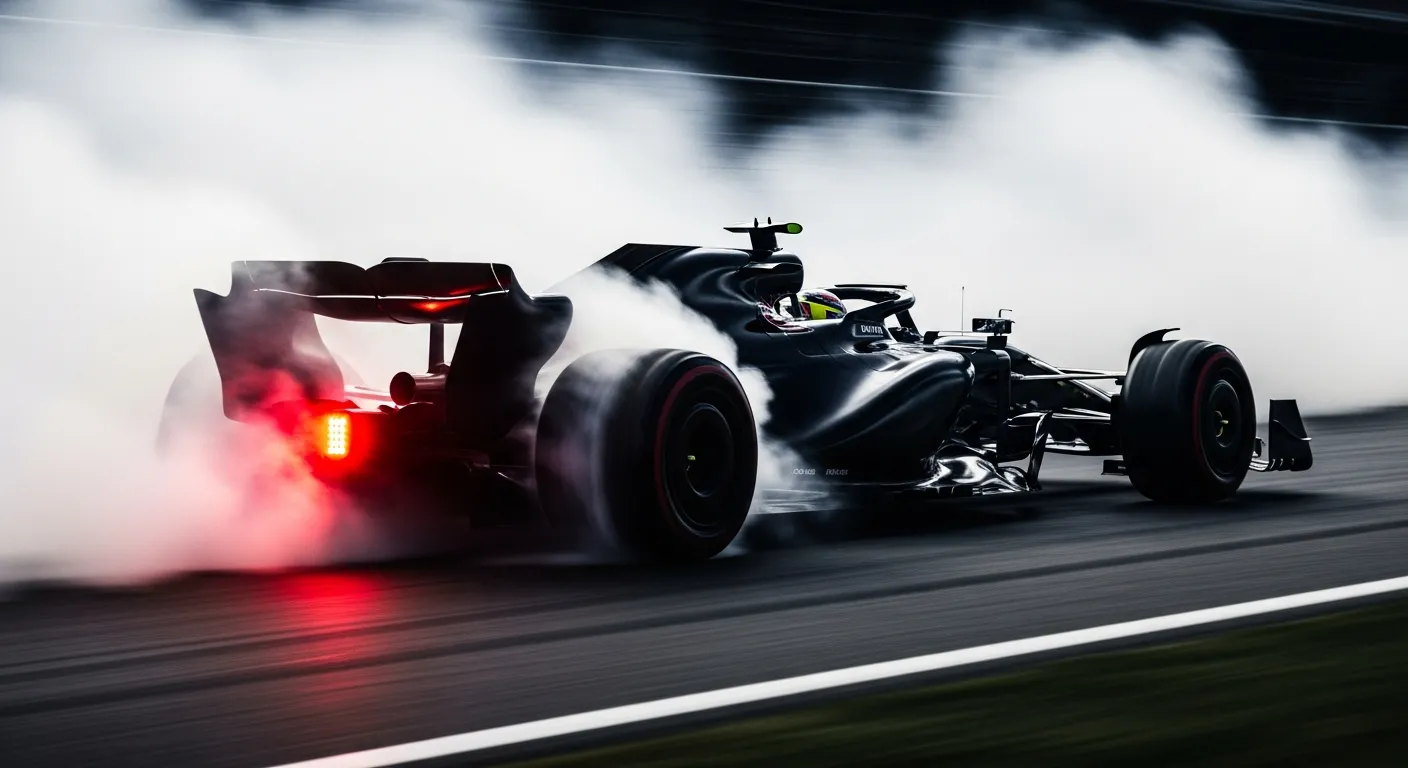
Max Verstappen's charge from 18th on the grid to secure second place at the 2018 United States Grand Prix stands as a definitive performance, showcasing the Red Bull Racing driver's ability to navigate a challenging start and capitalize on race developments. Starting deep in the field at the Circuit of the Americas on October 21, 2018, due to a grid penalty for exceeding power unit component limits, Verstappen meticulously carved his way through traffic, demonstrating both raw pace and strategic acumen. His race time of 1:34:19.924 over 56 laps placed him just 1.281 seconds behind race winner Kimi Räikkönen, a testament to his relentless pursuit from the back of the pack. This drive was particularly notable given that his teammate, Daniel Ricciardo, retired early on lap 8 due to a battery issue, leaving Verstappen to carry the team's hopes for a strong result. The Dutch driver also posted the second-fastest lap of the race on lap 45, a 1:38.246, indicating the sustained speed he maintained throughout the Grand Prix, even as Lewis Hamilton secured the fastest overall lap. The initial laps were critical, as Verstappen had to manage the chaos of the midfield while preserving his tyres for a potentially longer first stint, a strategic gamble that ultimately paid off.
The progression from grid position 18 to a podium finish underscored Verstappen's growing maturity and race management capabilities within the demanding [Formula 1 — official site](https://www.formula1.com/en) championship. While the focus often shifts to drivers like [Max Verstappen at the 2026 Emilia Romagna Grand Prix](/results/2026-imola-max-verstappen) in later seasons, this 2018 Austin performance highlighted his consistent capacity for significant recovery drives. The [FIA — F1 World Championship](https://www.fia.com/events/fia-formula-one-world-championship) regulations regarding power unit components frequently lead to such grid penalties, making a drive of this caliber even more impressive. Verstappen’s ability to manage his tyres and execute overtakes efficiently was crucial on the Circuit of the Americas, a track known for its diverse corner profiles and elevation changes. His late-race battle with Lewis Hamilton for second position was a highlight, demonstrating aggressive but controlled driving right to the finish line. Understanding the historical context of [Wikipedia: Formula One](https://en.wikipedia.org/wiki/Formula_One) reveals that such significant gains from low grid positions are rare and often celebrated as benchmark performances. His 18 points from this race were vital for his championship standing, as detailed in comprehensive [Jolpica/Ergast — 2026 season data](https://api.jolpi.ca/ergast/f1/2026.json) archives, which track driver performance across seasons. The strategic calls from the Red Bull pit wall also played a pivotal role, allowing Verstappen to maximize his car's potential. This kind of data-driven analysis is key to understanding driver performance, much like examining the race data for [Yuki Tsunoda at the 2026 Miami Grand Prix](/results/2026-miami-yuki-tsunoda) or the strong midfield run by [Nico Hülkenberg at the 2026 Miami Grand Prix](/results/2026-miami-nico-hulkenberg) in his respective events. The nuanced interplay between driver skill and team strategy is always a critical factor in F1, a point further elaborated by various [Formula 1 technical analyses](https://www.formula1.com/en/latest/technical.html) and archived [Grand Prix results](https://www.formula1.com/en/results.html).