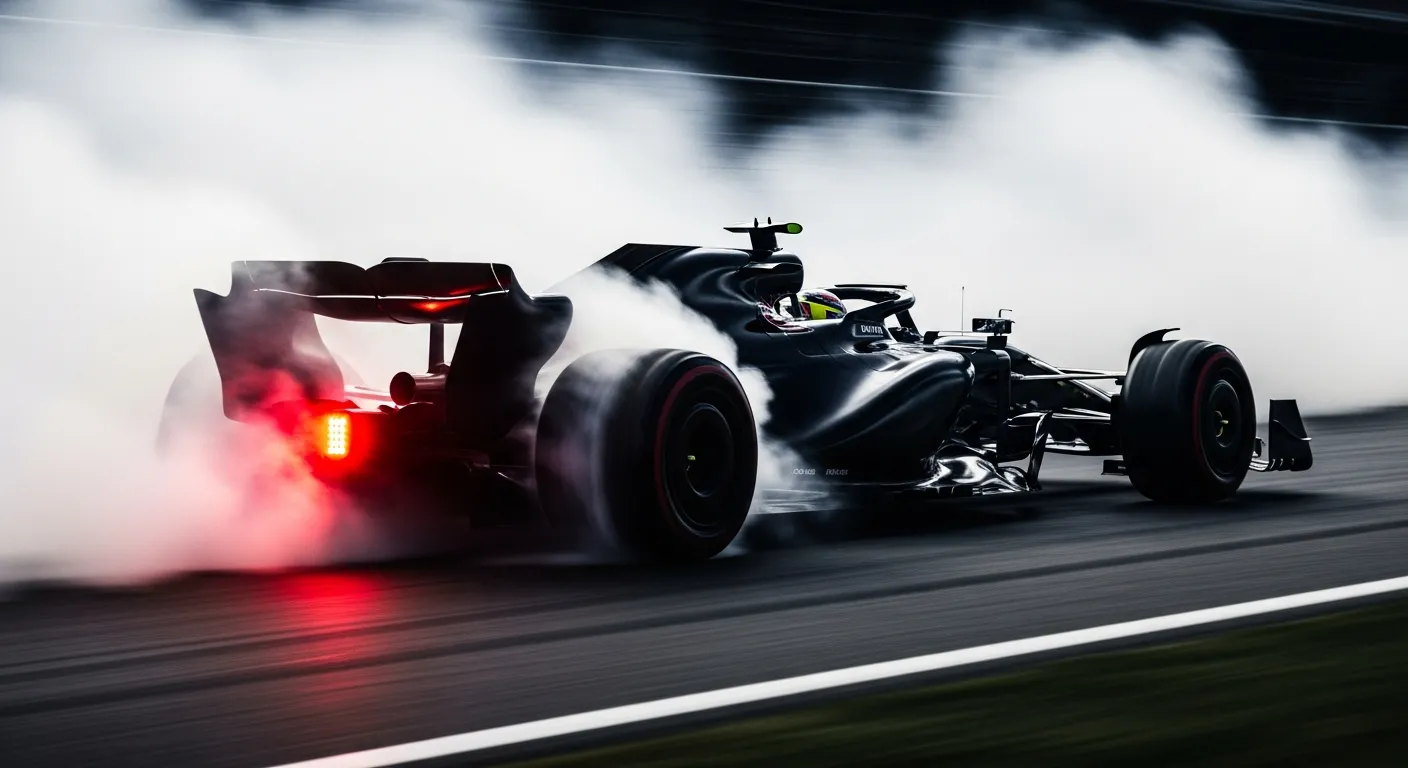
Nico Hülkenberg delivered a robust performance for Renault Sport Formula One Team at the 2018 Mexican Grand Prix, converting a seventh-place grid start into a sixth-place finish and securing valuable points amidst a challenging race for the constructor. The high-altitude Autódromo Hermanos Rodríguez circuit, known for its thin air affecting engine performance and aerodynamic grip, presented a unique technical challenge for all teams. Hülkenberg navigated these conditions effectively, completing 69 laps of the 71-lap race and finishing two laps down on the race winner, Max Verstappen. His consistent drive was highlighted by a fastest lap of 1:20.637 on lap 67, placing him seventh overall in the fastest lap rankings for the event. This steady points haul was particularly crucial for Renault, as Hülkenberg's teammate, Carlos Sainz Jr., retired from the race on lap 28 due to a clutch issue, underscoring the reliability pressures faced by the team that weekend. For a deeper dive into the intricacies of Formula 1 races, the [Formula 1 — official site](https://www.formula1.com/en) offers extensive race reports and technical analyses.
While Max Verstappen claimed victory and Lewis Hamilton secured his fifth World Championship by finishing fourth, Hülkenberg's drive demonstrated the Renault chassis's capability to operate within the midfield battle. He finished ahead of Charles Leclerc, who placed seventh for Sauber, illustrating the tight competition among the constructors. The strategic demands of the Mexican Grand Prix often push teams to their limits, a constant theme in the sport's history as detailed on [Wikipedia: Formula One](https://en.wikipedia.org/wiki/Formula_One). Hülkenberg's eight points were a significant contribution to Renault's constructor standings, especially when considering the competitive landscape where drivers like [Charles Leclerc at the 2026 Japanese Grand Prix](/results/2026-suzuka-charles-leclerc) continue to push the boundaries of performance. His ability to manage the car and tires over the race distance, despite the altitude's impact on cooling and power, allowed him to gain a position from his grid slot. The broader context of F1 results and driver statistics can be explored through comprehensive data platforms like [Jolpica/Ergast — 2026 season data](https://api.jolpi.ca/ergast/f1/2026.json), which provide detailed insights into every season, including performances from drivers such as [Lewis Hamilton at the 2026 Japanese Grand Prix](/results/2026-suzuka-lewis-hamilton) and [Lando Norris at the 2026 Japanese Grand Prix](/results/2026-suzuka-lando-norris).