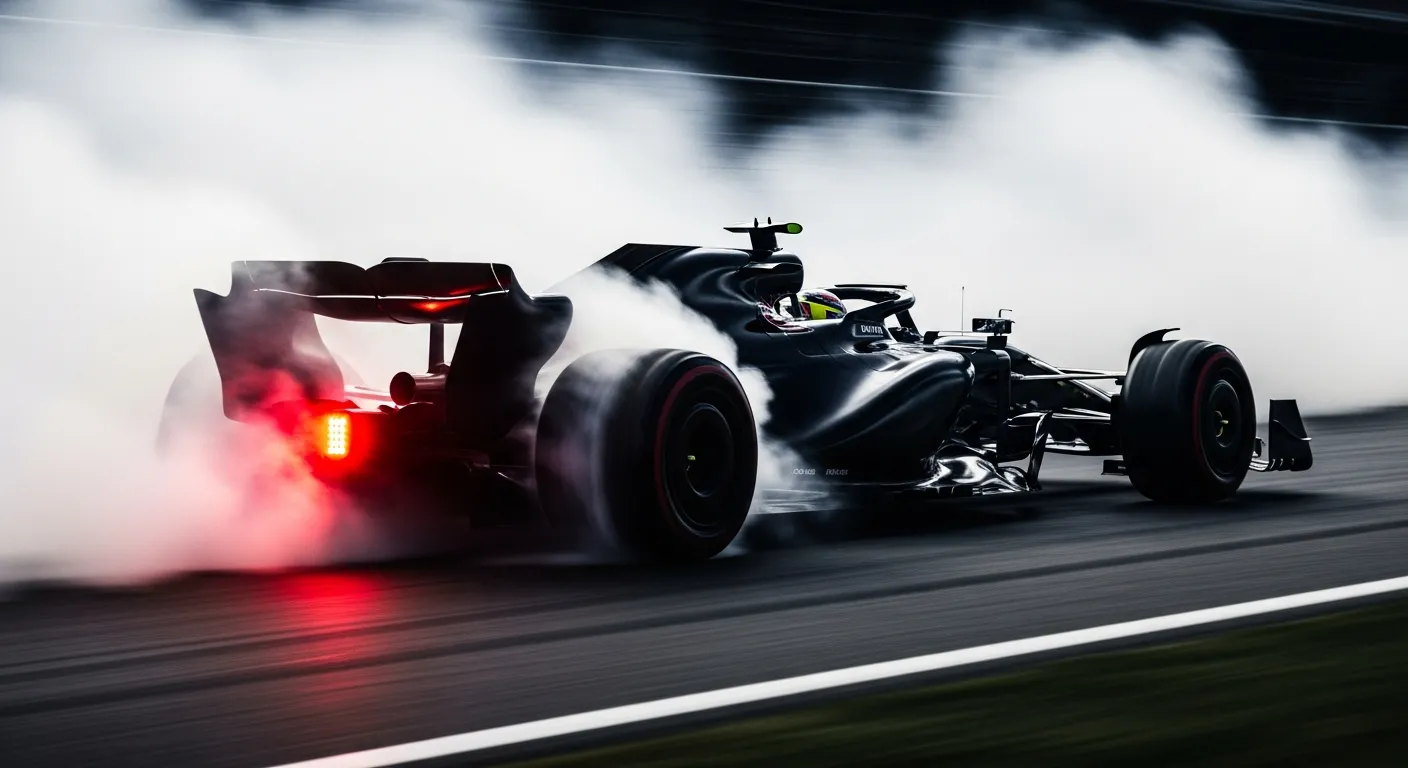
Charles Leclerc's drive at the 2018 Austrian Grand Prix saw the Monégasque driver convert a P17 grid start into a points-scoring P9 finish for Sauber, demonstrating significant race craft at the Red Bull Ring. On July 1, 2018, at the Spielberg circuit, Leclerc completed 70 laps, finishing one lap down from race winner Max Verstappen. This performance, securing 2 points, marked a notable recovery for the Sauber F1 Team, highlighting Leclerc's ability to navigate the demanding circuit and capitalize on opportunities within the midfield. The race itself was a challenging affair, with a high attrition rate that saw several front-runners, including both Mercedes cars and Daniel Ricciardo, retire. Leclerc's consistent pace, culminating in a fastest lap of 1:09.006 on lap 68, placed him 14th in the overall fastest lap rankings, a solid effort for a car starting so far back on the grid as detailed in the comprehensive [Formula 1 — official site](https://www.formula1.com/en) race reports. His strategic progression through the field underscored his growing reputation in his rookie season, a narrative that would continue to unfold across the [FIA — F1 World Championship](https://www.fia.com/events/fia-formula-one-world-championship) calendar.
Leclerc's teammate, Marcus Ericsson, starting just behind him in P18, also delivered a strong performance for the Sauber F1 Team, finishing P10 and securing 1 point. While Leclerc finished ahead, Ericsson recorded a faster lap time of 1:08.216 on lap 67, placing him 6th overall in fastest laps, a significant margin over Leclerc's best. This suggests a nuanced performance dynamic within the team, where both drivers extracted solid results for the Swiss constructor. The ability to bring both cars into the points, particularly from such low grid positions, was a testament to the team's operational efficiency and the drivers' execution. For a deeper dive into historical race outcomes and driver statistics, resources like [Wikipedia: Formula One](https://en.wikipedia.org/wiki/Formula_One) offer extensive context. The Red Bull Ring, known for its short lap and elevation changes, often provides opportunities for strategic gains, a factor both Sauber drivers leveraged effectively. Looking ahead to future races at this venue, drivers like [Carlos Sainz at the 2026 Austrian Grand Prix](/results/2026-red-bull-ring-carlos-sainz), [Oliver Bearman at the 2026 Austrian Grand Prix](/results/2026-red-bull-ring-oliver-bearman), and [Alexander Albon at the 2026 Austrian Grand Prix](/results/2026-red-bull-ring-alex-albon) will face similar challenges. Leclerc's consistent driving, even with a slightly slower individual fastest lap compared to his teammate, allowed him to maintain track position and secure the higher points finish. This race was a key data point in the 2018 season, contributing to the overall [Jolpica/Ergast — 2026 season data](https://api.jolpi.ca/ergast/f1/2026.json) archives, showcasing Leclerc's consistent development. Such detailed race data is crucial for understanding driver and team performance trends across seasons, as further analyzed by the [Formula 1 — official site](https://www.formula1.com/en) technical reviews. The strategic calls from the Sauber pit wall also played a role in managing tire degradation and capitalizing on safety car periods, if any, though the data primarily reflects the final outcome. This strong showing at Spielberg set a precedent for Leclerc's subsequent career trajectory, a journey that would see him compete at the highest levels of the [FIA — F1 World Championship](https://www.fia.com/events/fia-formula-one-world-championship).