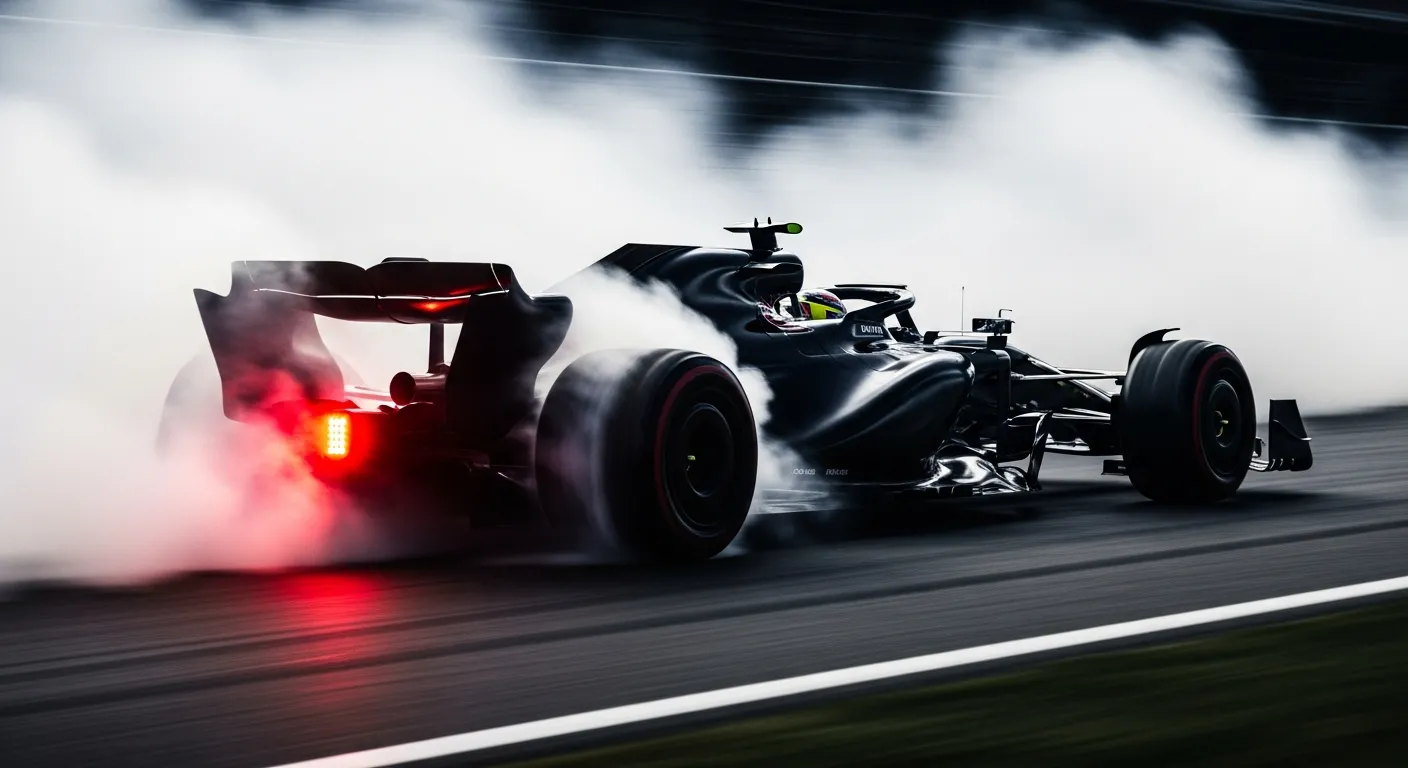
Esteban Ocon's final race of the 2018 season at the Yas Marina Circuit concluded with a retirement, a disappointing end to what had been a challenging year for the Force India F1 Team. Starting from ninth on the grid, Ocon had been navigating the demanding Abu Dhabi circuit, demonstrating the potential of the VJM11 chassis. His fastest lap of the race, a 1:43.591 on lap 41, ranked 13th overall, indicating competitive pace within the midfield. However, mechanical reliability issues intervened, forcing the French driver to pull out of the race on lap 44 due to an engine failure, as recorded in the official [Formula 1 race results](https://www.formula1.com/en). This DNF meant Ocon was unable to add to his season's points tally. Such mechanical setbacks are a perennial challenge in Formula 1, echoing reliability issues that can impact any driver's race, whether it's a veteran like [Lewis Hamilton at the 2024 Las Vegas Grand Prix](/results/2024-las-vegas-lewis-hamilton) or a newer talent. The incident underscored the fine margins of performance and endurance required to complete a full [FIA Formula One World Championship](https://www.fia.com/events/fia-formula-one-world-championship) event.
The retirement in Abu Dhabi marked a frustrating conclusion to Ocon's tenure with Force India, a team that had navigated significant financial restructuring during the season. While his car succumbed to an engine issue, his teammate Sergio Pérez managed an eighth-place finish, securing four points for the constructor. This contrast highlights how critical reliability can be, a factor that continues to shape race outcomes, impacting not just individual drivers but also team strategies, as demonstrated by the challenges faced by drivers like [George Russell at the 2024 Las Vegas Grand Prix](/results/2024-las-vegas-george-russell) in different contexts. Similarly, [Charles Leclerc at the 2024 Las Vegas Grand Prix](/results/2024-las-vegas-charles-leclerc) also experienced the pressures of race-day performance. Analyzing historical race data, such as that available through the [Ergast F1 API](https://api.jolpi.ca/ergast/f1/2026.json), often reveals the critical impact of such mechanical failures on championship standings and team performance throughout a season. For Ocon, this race was a missed opportunity to consolidate his position before moving into a reserve driver role for the following season. The intricacies of engine management and component longevity are always a critical factor in the sport, as discussed on [Wikipedia's Formula One page](https://en.wikipedia.org/wiki/Formula_One).