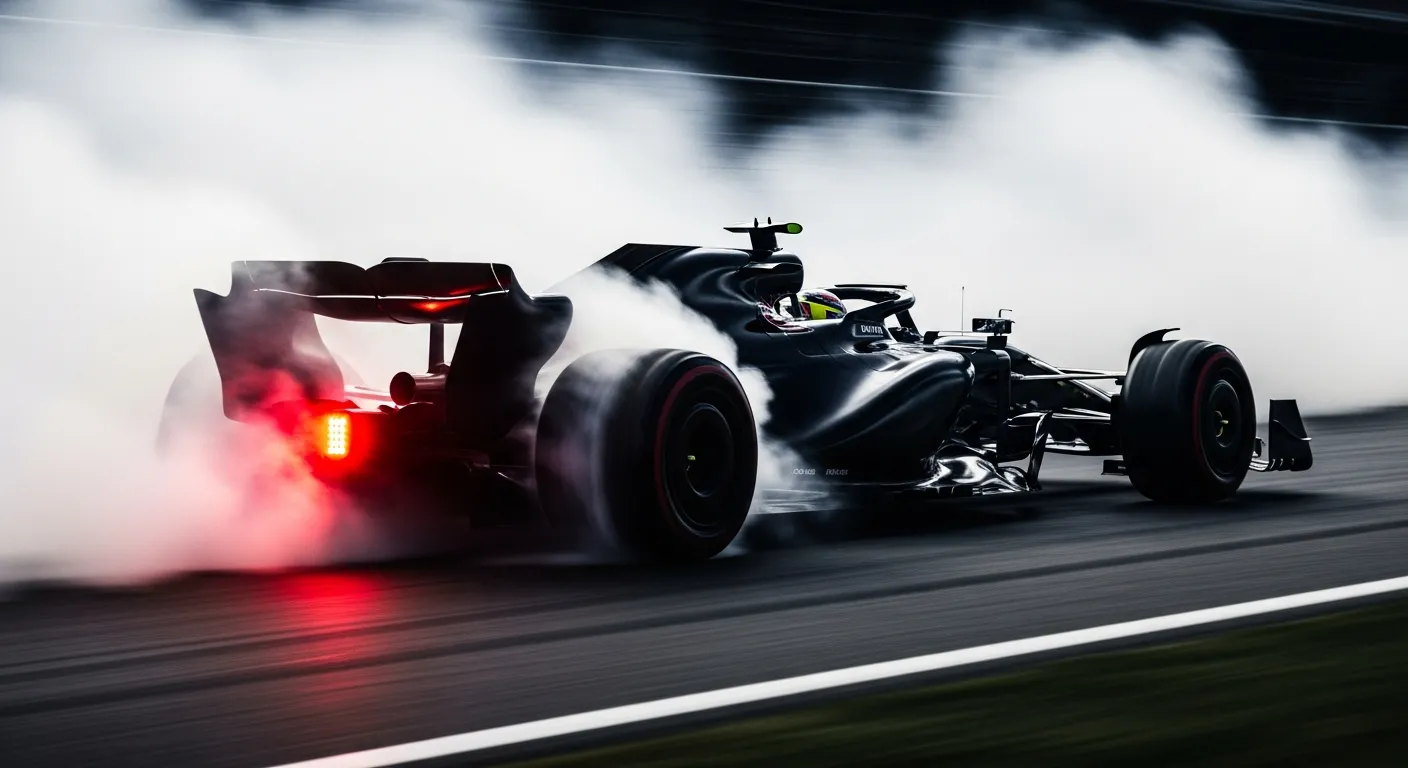
The 2019 Australian Grand Prix saw Lewis Hamilton convert his pole position into a second-place finish, marking a strong start to the season for Mercedes AMG F1 even as his teammate claimed the top step of the podium. Hamilton, driving the Mercedes AMG F1 W10, began the race from the front of the grid at the [Melbourne Grand Prix Circuit](https://en.wikipedia.org/wiki/Melbourne_Grand_Prix_Circuit) on March 17, 2019. Despite a clean start, he was ultimately unable to hold off his teammate, Valtteri Bottas, who delivered a commanding performance to win the opening round of the [Formula 1 — official site](https://www.formula1.com/en) championship.
Hamilton completed all 58 laps of the race, crossing the finish line with a total time of 1:25:48.211, approximately 20 seconds behind Bottas. His fastest lap, a 1:26.057 on lap 57, ranked second overall, just shy of Bottas's fastest lap of 1:25.580. This early season dynamic between the Mercedes drivers set a tone for the constructor's competitive advantage. The British driver secured 18 points for his efforts, a solid foundation for his championship campaign, a detailed record of which can be found in comprehensive [F1 data archives](https://api.jolpi.ca/ergast/f1/2026.json). The race also saw Max Verstappen secure third place for Red Bull Racing, indicating early competition from other teams, a situation that often defines the [FIA — F1 World Championship](https://www.fia.com/events/fia-formula-one-world-championship) season.
The event at Albert Park showcased the raw pace of the Mercedes package, but also highlighted the internal battle that would unfold. While Hamilton's qualifying pace was undeniable, his race pace on Sunday was not enough to counter Bottas's charge. This race offered an early glimpse into the strategic considerations and driver performances that would shape the season, much like how future races such as [George Russell at the 2026 United States Grand Prix](/results/2026-cota-george-russell) or [Fernando Alonso at the 2026 United States Grand Prix](/results/2026-cota-fernando-alonso) would unfold for their respective teams. The performance differences, even within the same team, often dictate championship trajectories, a factor keenly observed by analysts of [Wikipedia: Formula One](https://en.wikipedia.org/wiki/Formula_One) history. Hamilton's 2019 Australian Grand Prix result provided a valuable 18 points, placing him second in the standings after the first round. This initial outcome underscored the competitive nature of the Mercedes pairing, even as the broader field, including drivers like [Lando Norris at the 2026 United States Grand Prix](/results/2026-cota-lando-norris), continued to develop their own campaigns. The focus for Hamilton and Mercedes AMG F1 immediately shifted to optimizing race performance for the rounds ahead, a constant pursuit in the demanding world of Formula 1, as outlined by the [Formula 1 — official site's technical regulations](https://www.formula1.com/en/latest/article.formula-1-technical-regulations-2024-explained.2uW02cQ0pX81t554iN8t5A.html).