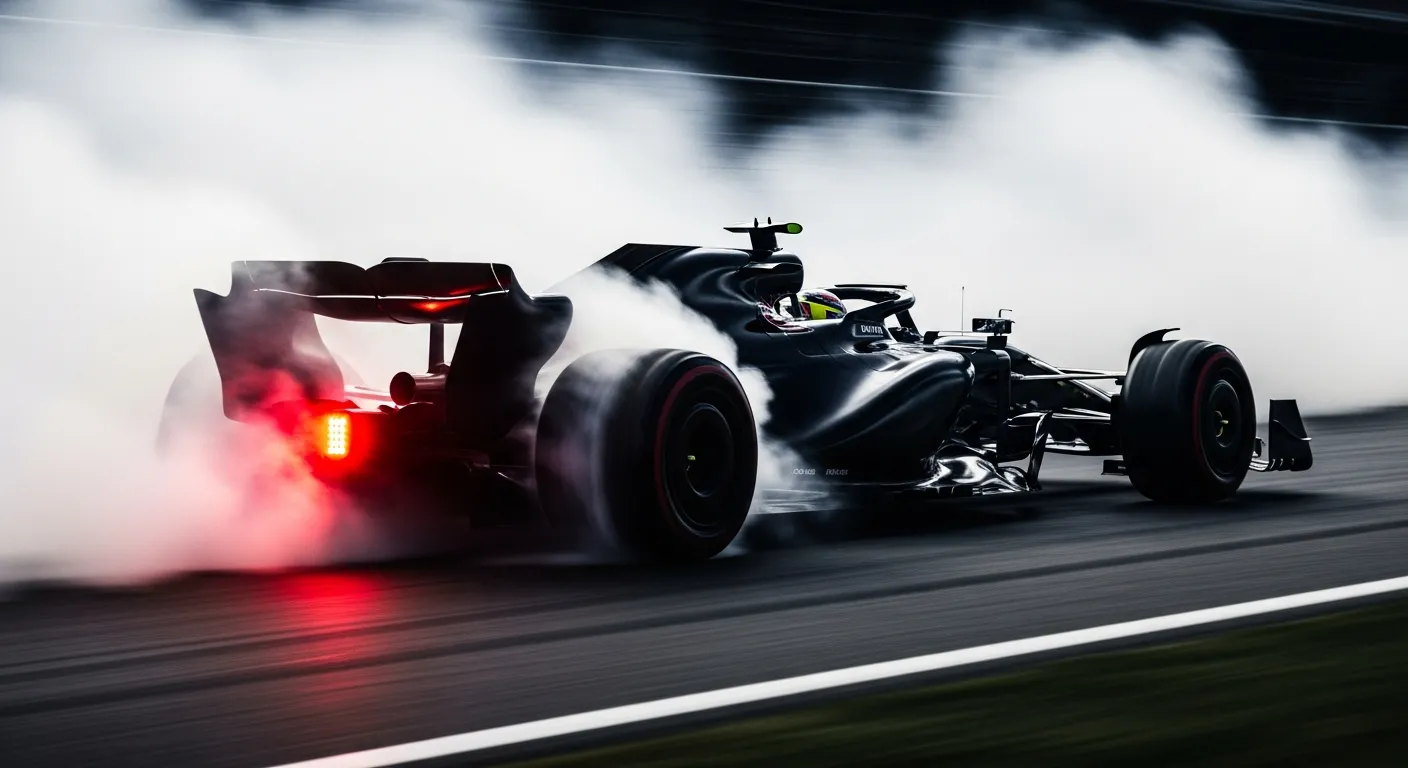
The 2019 Bahrain Grand Prix presented a challenging narrative for Nico Hülkenberg, culminating in a premature end to his race due to a critical power unit failure. Starting from 17th on the grid at the Bahrain International Circuit, Hülkenberg aimed to navigate the demanding Sakhir track and improve upon his qualifying position. Despite the eventual retirement, there were moments of promising pace, notably on lap 14 where he recorded a 1:35.215, which stood as the sixth fastest lap of the entire race. This demonstration of raw speed underscored the potential within the Renault Sport Formula One Team package, even as reliability issues began to surface. The race, held on March 31, 2019, saw the German driver complete 53 laps before his car's power unit definitively gave up, forcing him to retire and register a 17th place classification, albeit without seeing the checkered flag. This outcome meant zero points for Hülkenberg, a stark contrast to the competitive showings he often delivered in previous seasons.
The unfortunate retirement was compounded by a similar fate for his teammate, Daniel Ricciardo, who also retired on lap 53 with a "Power loss" issue. This double DNF for the French constructor highlighted significant reliability concerns early in the 2019 season, particularly for a team with aspirations to climb the constructors' standings. Such mechanical setbacks can profoundly impact a team's championship aspirations, forcing engineers to meticulously review every component, from the internal combustion engine to the energy recovery systems, as detailed by the [FIA technical regulations](https://www.fia.com/events/fia-formula-one-world-championship). For drivers like Hülkenberg, who consistently push for every tenth, a DNF can be particularly frustrating, much like the challenges faced by [Pierre Gasly at the 2026 Miami Grand Prix](/results/2026-miami-pierre-gasly) when striving for optimal performance under pressure. The official [Formula 1 website](https://www.formula1.com/en) provides detailed race reports that often delve into these technical issues. The broader context of Formula 1 racing, as explored on [Wikipedia: Formula One](https://en.wikipedia.org/wiki/Formula_One), shows that power unit reliability is a recurring theme impacting race outcomes across different eras. For a comprehensive look at historical race data, resources like [Jolpica/Ergast — 2026 season data](https://api.jolpi.ca/ergast/f1/2026.json) provide invaluable context for understanding these trends and their statistical impact on driver and constructor championships.
This double retirement was a significant blow for Renault, especially coming so early in the season. It placed immediate pressure on the team to address the underlying issues with their power unit, a critical component in modern F1, as any fan following the sport on the [Formula 1 — official site news](https://www.formula1.com/en/latest/all-news) would understand. For Hülkenberg, it meant a missed opportunity to score points and build momentum, leaving his championship position at 9th after the race, unchanged in points from the previous round. The resilience required after such a weekend is immense, a trait shared by many on the grid, including drivers like [Lance Stroll at the 2026 Miami Grand Prix](/results/2026-miami-lance-stroll) who navigate complex race weekends. The intricate details of each race's outcomes are meticulously recorded, allowing analysts to track performance fluctuations and mechanical failures across seasons, a process supported by various [F1 data archives](https://api.jolpi.ca/ergast/f1/2026.json). The 2019 Bahrain Grand Prix served as a stark reminder of the fine margins in Formula 1, where a single mechanical fault can unravel a promising performance, a lesson that drivers like [Alexander Albon at the 2026 Miami Grand Prix](/results/2026-miami-alex-albon) also contend with in their careers.