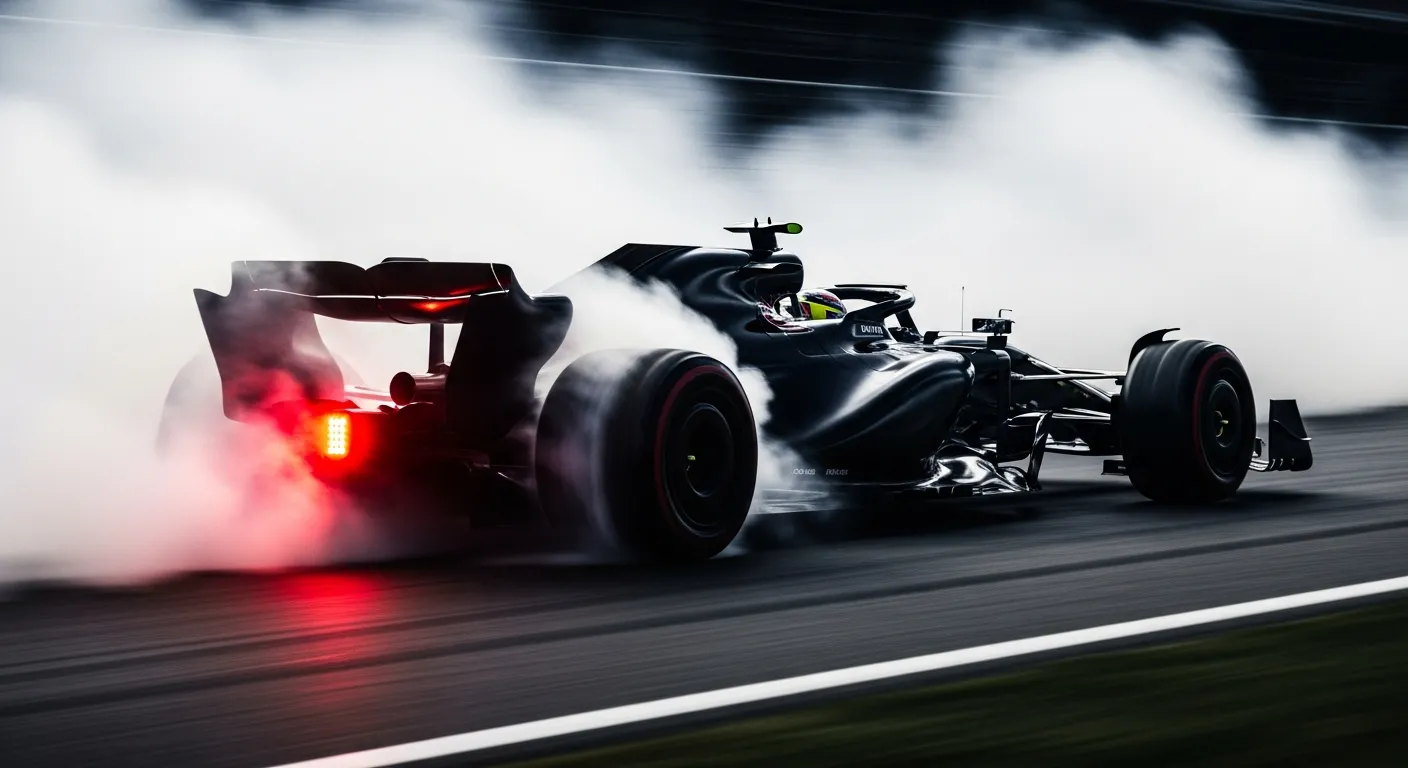
George Russell's performance at the 2019 Spanish Grand Prix on May 12, 2019, underscored the persistent challenges faced by Williams Grand Prix Engineering that season, yet also highlighted the young British driver's methodical approach under difficult circumstances. Starting from 19th on the grid at the Circuit de Barcelona-Catalunya, Russell was tasked with extracting every ounce of performance from the FW42, a car that struggled for pace against its competitors. The race, a 66-lap affair, saw Russell complete 65 laps, ultimately classified 17th with a status of "+1 Lap" – a common outcome for teams at the back of the grid when the leaders maintain a high pace over the full race distance. His drive was a testament to the fundamental principles of [Formula 1 racing](https://www.formula1.com/en), where consistent execution is paramount, regardless of the machinery's inherent speed. The strategic decisions made by the team, often influenced by the [FIA technical regulations](https://www.fia.com/events/fia-formula-one-world-championship), played a role in managing tire wear and race rhythm, crucial elements on a circuit known for its demanding layout. This particular race was a clear example of the competitive landscape within the [Formula 1 World Championship](https://www.formula1.com/en) during the 2019 season, where the gap between the front-runners and the back markers was substantial.
Throughout the Spanish Grand Prix, Russell demonstrated a consistent pace, particularly evident in his fastest lap of "1:22.382" on lap 64, which ranked 17th overall. This was a notable achievement when viewed against his teammate, Robert Kubica, who started 17th but finished 18th, also "+1 Lap", with a fastest lap of "1:23.202" on lap 65. Russell's ability to maintain a performance advantage over his more experienced teammate, despite the car's limitations, was a recurring theme in his rookie year. While the Williams team continued its efforts to understand and improve the FW42's performance envelope, as detailed in various [F1 season data analyses](https://api.jolpi.ca/ergast/f1/2026.json), Russell’s individual battles were often against the clock and his teammate rather than the midfield. This scenario, where a driver's talent shines through despite uncompetitive equipment, draws parallels to other careers, such as [Nico Hülkenberg at the 2026 Italian Grand Prix](/results/2026-monza-nico-hulkenberg), who has often found himself in challenging team environments. Even though points remained elusive for Williams at this stage of the 2019 season, Russell's consistent outperformance of Kubica laid a foundational narrative for his future trajectory in the sport, a journey that many young drivers, like [Liam Lawson at the 2026 Azerbaijan Grand Prix](/results/2026-baku-liam-lawson), undertake. The broader context of the sport, as documented by [Wikipedia: Formula One](https://en.wikipedia.org/wiki/Formula_One), always features these contrasting narratives, from the dominant performances of drivers like [Max Verstappen at the 2026 Azerbaijan Grand Prix](/results/2026-baku-max-verstappen) to the determined efforts at the back of the grid. Russell's drive in Spain was a quiet display of potential within a challenging season, securing 0 points but gaining valuable experience under the watchful eye of the [FIA](https://www.fia.com/events/fia-formula-one-world-championship).